

Book Review: ‘Elphie’ a psychological backstory of the Wicked Witch of the West
Advertisement
Read this article for free:
or
Already have an account? Log in here »
To continue reading, please subscribe:
Monthly Digital Subscription
$1 per week for 24 weeks*
- Enjoy unlimited reading on winnipegfreepress.com
- Read the E-Edition, our digital replica newspaper
- Access News Break, our award-winning app
- Play interactive puzzles
*Billed as $4.00 plus GST every four weeks. After 24 weeks, price increases to the regular rate of $19.95 plus GST every four weeks. Offer available to new and qualified returning subscribers only. Cancel any time.
Monthly Digital Subscription
$4.99/week*
- Enjoy unlimited reading on winnipegfreepress.com
- Read the E-Edition, our digital replica newspaper
- Access News Break, our award-winning app
- Play interactive puzzles
*Billed as $19.95 plus GST every four weeks. Cancel any time.
To continue reading, please subscribe:
Add Free Press access to your Brandon Sun subscription for only an additional
$1 for the first 4 weeks*
*Your next subscription payment will increase by $1.00 and you will be charged $16.99 plus GST for four weeks. After four weeks, your payment will increase to $23.99 plus GST every four weeks.
Read unlimited articles for free today:
or
Already have an account? Log in here »
Hey there, time traveller!
This article was published 24/03/2025 (368 days ago), so information in it may no longer be current.
For fans, like me, looking to fill their “Wicked” obsession, “Elphie,” the fifth book in the Wicked Years series, provides the perfect escape into the world of Oz, with a new look at Elphaba Thropp, the beloved green heroine, before she was known as the Wicked Witch of the West.
From her struggles with familiar jealousy, her thirst for knowledge and her encounters with the marginalized talking animals of Oz, “Elphie” explores the moments in Elphaba’s life that shaped who she is. Devoted fans and readers new to the series will be able to dive in deeper to the social and political issues of Oz and gain a deeper insights into Elphaba’s plight for sentient animals, a cause that will later mark her as wicked.
With a subtle political distress throughout the novel and lack of love in Elphaba’s life, the novel can feel melancholy at times. But, that is the core of who Elphaba is.
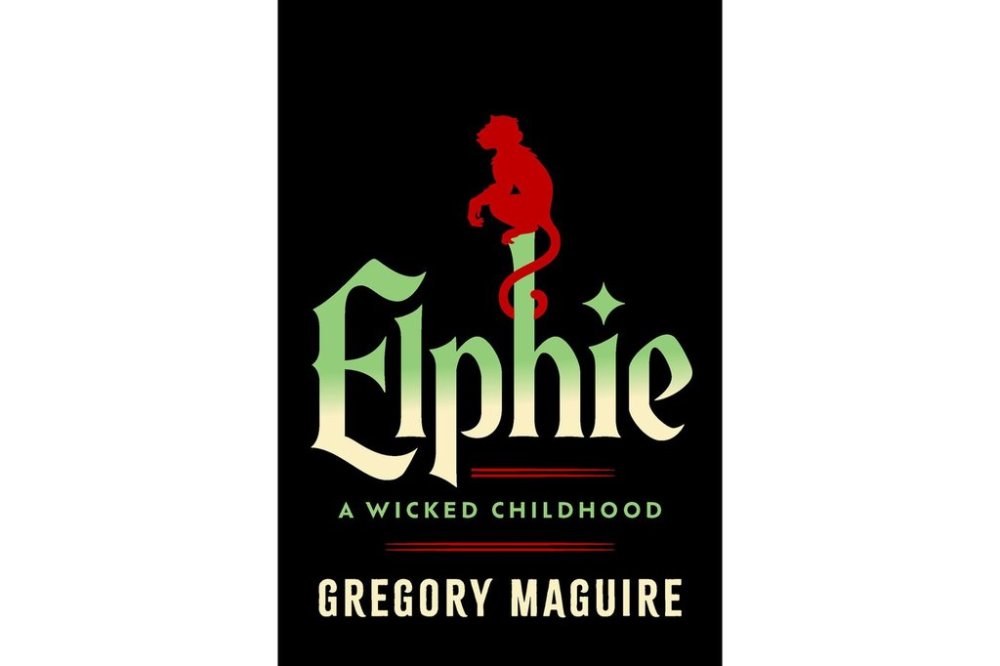
Elphaba’s progress from child to an adolescent with better understanding of the world, her wants and needs, guide Gregory Maguire’s novel. As Elphaba starts her journey of discovery the novel’s pace is slow and steady. But as she begins to understand herself and the joy and wonders of Oz, the novel’s becomes a tad more lively.
In contrasts to the rest of the series, in “Elphie” Maguire takes to writing in short chapters with short sentences, reflecting the overall dysfunction occurring in Oz and in Elphaba. The rhythm Maguire create also make the book easy one to breeze through.
Compared to previous books in the series, there is less happening to drive the narrative. Instead, “Elphie” serves as a psychological backstory to understand Elphaba’s character, explaining what made her one of the most iconic witched in literacy, theater and film.
Making the novel one Elphaba fans must hold space for.

___
AP book reviews: https://apnews.com/hub/book-reviews