

Elizabeth Strout and Miranda July are among finalists for the Women’s Prize for Fiction
Advertisement
Read this article for free:
or
Already have an account? Log in here »
To continue reading, please subscribe:
Monthly Digital Subscription
$1 per week for 24 weeks*
- Enjoy unlimited reading on winnipegfreepress.com
- Read the E-Edition, our digital replica newspaper
- Access News Break, our award-winning app
- Play interactive puzzles
*Billed as $4.00 plus GST every four weeks. After 24 weeks, price increases to the regular rate of $19.95 plus GST every four weeks. Offer available to new and qualified returning subscribers only. Cancel any time.
Monthly Digital Subscription
$4.99/week*
- Enjoy unlimited reading on winnipegfreepress.com
- Read the E-Edition, our digital replica newspaper
- Access News Break, our award-winning app
- Play interactive puzzles
*Billed as $19.95 plus GST every four weeks. Cancel any time.
To continue reading, please subscribe:
Add Free Press access to your Brandon Sun subscription for only an additional
$1 for the first 4 weeks*
*Your next subscription payment will increase by $1.00 and you will be charged $16.99 plus GST for four weeks. After four weeks, your payment will increase to $23.99 plus GST every four weeks.
Read unlimited articles for free today:
or
Already have an account? Log in here »
Hey there, time traveller!
This article was published 02/04/2025 (358 days ago), so information in it may no longer be current.
LONDON (AP) — American authors Elizabeth Strout and Miranda July are among finalists announced Wednesday for the Women’s Prize for Fiction, alongside four debut novelists exploring the search for freedom in different countries and cultures.
Pulitzer Prize winner Strout’s Maine-set mystery novel “Tell Me Everything” and writer’-filmmaker July’s “All Fours,” in which a “semi-famous artist” seeks a new life, are shortlisted for the 30,000 pound ($39,000) prize. It’s open to female English-language writers from any country.
The contenders also include Dutch writer Yael van der Wouden’s postwar story “The Safekeep” and German-born poet Aria Aber’s novel “Good Girl,” about a teenager exploring her dual German-Afghan heritage.
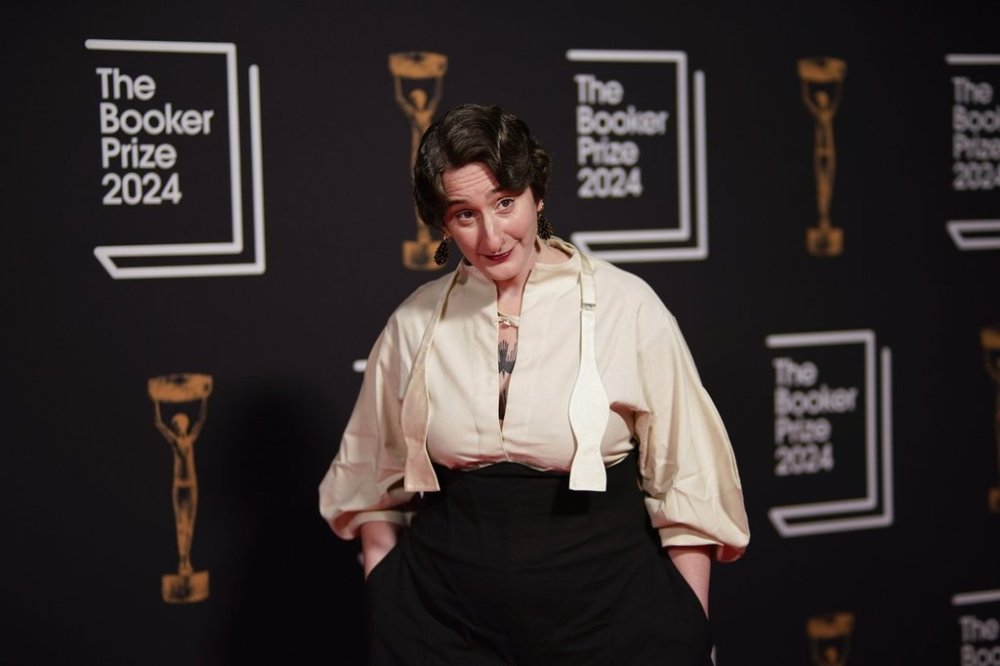
Also on the list are Iran-born writer Sanam Mahloudji’s intergenerational family saga “The Persians,” and “Fundamentally” by Britain’s Nussaibah Younis, about an academic trying to rehabilitate women caught up with the Islamic State group.
Author Kit de Waal, who is chairing the panel of judges, said that the six books were “classics of the future” that explored “the importance of human connection.”
“What is surprising and refreshing is to see so much humor, nuance and lightness employed by these novelists to shed light on challenging concepts,” she said.
Previous winners of the fiction prize, founded in 1996, include Zadie Smith, Tayari Jones and Barbara Kingsolver.
Last year, award organizers launched a companion Women’s Prize for Nonfiction to help rectify an imbalance in publishing. In 2022, only 26.5% of nonfiction books reviewed in Britain’s newspapers were by women, and male writers dominated established nonfiction writing prizes.
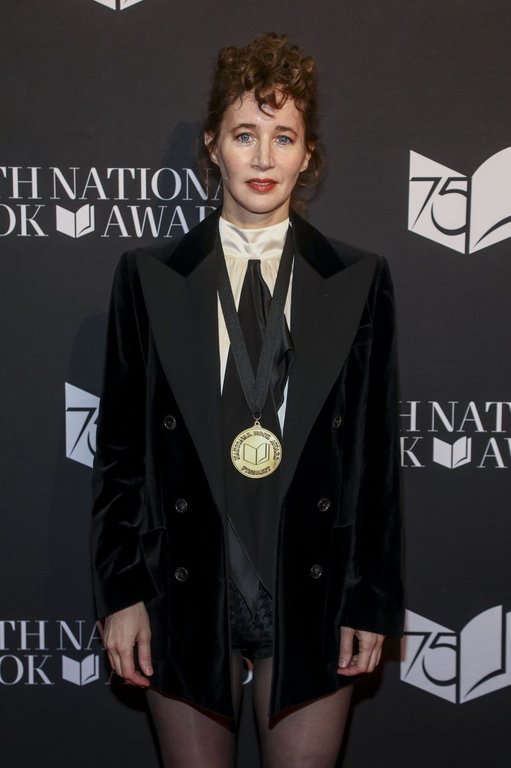
Winners of both nonfiction and fiction prizes will be announced on June 12 at a ceremony in London.