

Oaks, asters and 6 other ‘keystone’ native species to plant for biodiversity
Advertisement
Read this article for free:
or
Already have an account? Log in here »
To continue reading, please subscribe:
Monthly Digital Subscription
$1 per week for 24 weeks*
- Enjoy unlimited reading on winnipegfreepress.com
- Read the E-Edition, our digital replica newspaper
- Access News Break, our award-winning app
- Play interactive puzzles
*Billed as $4.00 plus GST every four weeks. After 24 weeks, price increases to the regular rate of $19.95 plus GST every four weeks. Offer available to new and qualified returning subscribers only. Cancel any time.
Monthly Digital Subscription
$4.99/week*
- Enjoy unlimited reading on winnipegfreepress.com
- Read the E-Edition, our digital replica newspaper
- Access News Break, our award-winning app
- Play interactive puzzles
*Billed as $19.95 plus GST every four weeks. Cancel any time.
To continue reading, please subscribe:
Add Free Press access to your Brandon Sun subscription for only an additional
$1 for the first 4 weeks*
*Your next subscription payment will increase by $1.00 and you will be charged $16.99 plus GST for four weeks. After four weeks, your payment will increase to $23.99 plus GST every four weeks.
Read unlimited articles for free today:
or
Already have an account? Log in here »
Hey there, time traveller!
This article was published 08/04/2025 (356 days ago), so information in it may no longer be current.
University of Delaware entomologist Doug Tallamy’s research has identified “keystone” plant species that make up the foundation of many U.S. ecosystems by producing food for native insects, thus supporting the ecological food web.
Even planting just one keystone plant in the yard or in a container will help restore biodiversity on your property.
Here are eight of the most important trees and plants that Tallamy, author of the new book, “How Can I Help?”, recommends (find a complete list for your ecoregion at https://homegrownnationalpark.org/keystone-plant-guides/.)
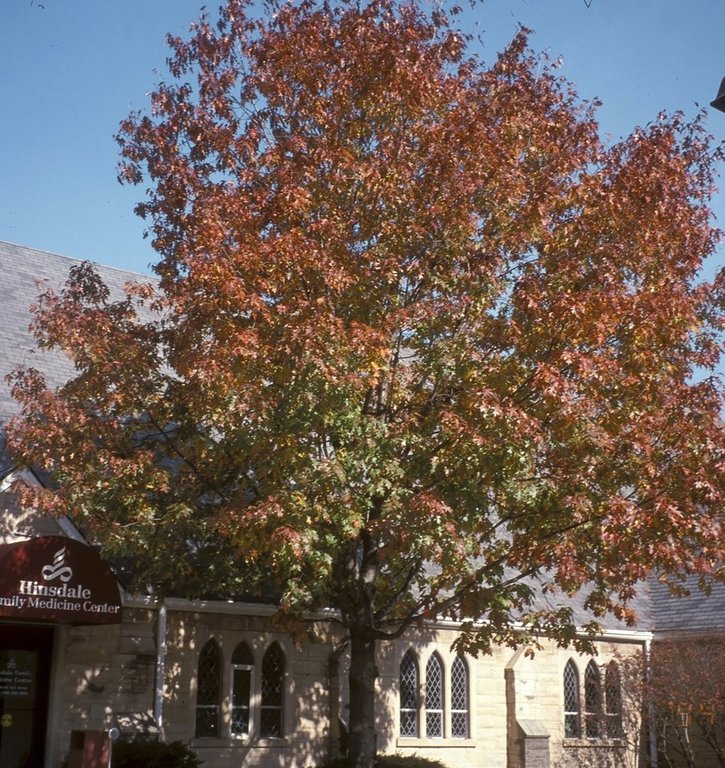
Top keystone trees
__ Oaks (Quercus spp.): Best in the 84% of the U.S. counties in which they occur.
__ Native willows (Salix): Best farther north.
__ Native Cottonwood (Populus): Best in drier regions.
__ Native cherries (Prunus): Very important nationwide.

__ Native plums (Prunus): Very important nationwide.
Top keystone perennial flowers
__ Goldenrod (Solidago)
__ Perennial sunflower (Helianthus)
__ Aster (Symphyotrichum)