Universal remains ‘committed to propelling Drake’s career’ as it seeks suit dismissal
Advertisement
Read this article for free:
or
Already have an account? Log in here »
To continue reading, please subscribe:

Digital Subscription
One year of digital access for only $205*
- Enjoy unlimited reading on winnipegfreepress.com
- Read the E-Edition, our digital replica newspaper
- Access News Break, our award-winning app
- Play interactive puzzles
*First annual payment billed as $205.00 + GST for one year. This annual subscription will automatically renew at $233.00 + GST every 52 weeks (10% off the regular annual price of $259.35). Offer available to new and qualified returning subscribers only. Cancel any time.
To continue reading, please subscribe:
Add Free Press access to your Brandon Sun subscription for only an additional
$1 for the first 4 weeks*
- Enjoy unlimited reading on winnipegfreepress.com
- Read the E-Edition, our digital replica newspaper
- Access News Break, our award-winning app
- Play interactive puzzles
*Your next Brandon Sun subscription payment will increase by $1.00 and you will be charged $17.95 plus GST for four weeks. After four weeks, your payment will increase to $24.95 plus GST every four weeks.
Read unlimited articles for free today:
or
Already have an account? Log in here »
Hey there, time traveller!
This article was published 09/05/2025 (525 days ago), so information in it may no longer be current.
TORONTO – Universal Music Group is reaffirming its commitment to Drake, even as it files a motion seeking to dismiss his amended defamation suit over their role in the success of Kendrick Lamar’s chart-topping diss track “Not Like Us.”
A Universal representative provided a statement to The Canadian Press that framed the ongoing legal conflict as one pushed by Drake’s lawyers, and not necessarily the rapper himself.
They say the Toronto rapper’s legal team is seeking to uncover evidence of “wild conspiracies as to why one song that upset Drake had massive global appeal.”
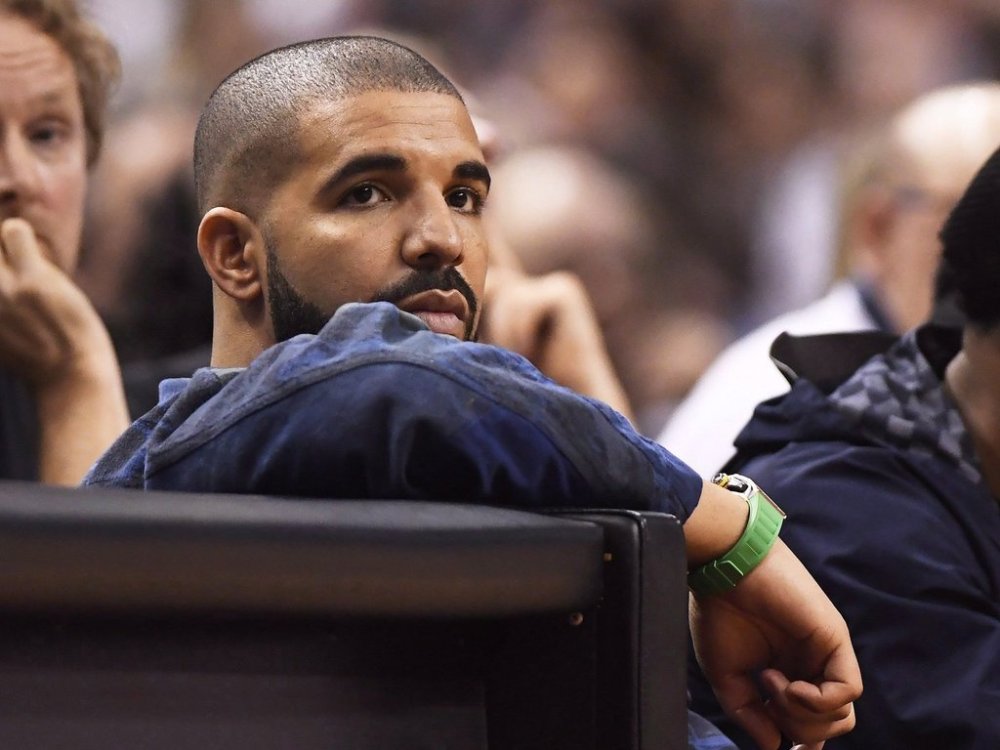
But the statement also emphasized that Universal is “working tirelessly in partnership with (all of its) artists” for global success, adding that the label’s “continuing partnership with Drake and his enduring success is a shining example.”
“Despite his lawyers’ attempts to silence other artists and threaten the companies that work with them, we remain committed to propelling Drake’s career while maintaining our unwavering support of all our artists’ creative expression. Drake’s included,” the statement continued.
Universal’s latest comments come as its lawyers entered a motion in a New York court on Wednesday to dismiss an amended lawsuit filed by Drake in mid-April.
The “Hotline Bling” rapper’s updated suit added Lamar’s performance of “Not Like Us” at the Super Bowl halftime show to its complaints. It described the Super Bowl appearance as “orchestrated to assassinate the character of another artist.”
It also introduced complaints about Lamar’s appearance at the 2025 Grammys, where “Not Like Us” swept all five of its nominated categories.
At issue are the lyrics of the song, in which Drake says he’s falsely branded a “certified pedophile.”
While Universal’s legal filings present Drake’s claims as unfounded, their friendlier press statement offers insight into a multinational music label trying to perform a complicated balancing act: one that undoes legal troubles with Drake while also appeasing him and labelmate Lamar.
Kurt Dahl, a Toronto entertainment lawyer and musician, said it’s still unclear what happens when the dust settles and Universal still holds contracts with both Drake and Lamar.
“I can’t imagine a situation where Drake is happy being a Universal artist,” he said.
It’s a unique scenario that illustrates the complexity of the modern record industry, which is dominated by a handful of music giants.
Universal Music Group is one of the largest labels in the world, with many smaller labels under its umbrella. Drake is signed to its Republic Records division, while Lamar is part of Interscope Records.
That means both artists are effectively siloed in the day-to-day operations but significant contributors to Universal’s overall revenue stream.
It’s left the parent company in an unenviable position, especially as Drake’s reputation continues to be pummelled by the cultural momentum behind “Not Like Us,” which hit its peak earlier this year.
Drake’s amended suit argued that the word “pedophile” was not spoken by Lamar on the Super Bowl broadcast, which his lawyers say proves that “nearly everyone understands that it is defamatory.”
It also alleges Universal Music used financial benefits and leveraged business relationships to secure the headliner spot for Lamar at the Super Bowl, and promoted the performance.
None of the allegations have been proven in court.
Universal’s new filings call the latest allegations “astonishing,” in part it says, because Drake’s amended suit acknowledges Lamar omitted the words “certified pedophile” from the lyrics at the Super Bowl.
Universal says that “betrays this case for what it is: Drake’s attack on the commercial and creative success of the rap artist who defeated him.”
However, there have been signs that other music organizations may deem the lyrics in “Not Like Us” as defamatory, or at least problematic.
Earlier this year, the Grammys edited at least two YouTube clips of the broadcast that contained audio of the song.
One edited clip for the record of the year category now shows Miley Cyrus announcing Lamar as the winner before an abrupt cut to the Los Angeles rapper on stage accepting the award.
The edit removes footage of Lamar rising from his seat to the tune of “Not Like Us,” and hugging several friends on his way to the stage as the crowd sings the “A-minor” lyric from the song.
The Grammys also excised Diana Ross from a different clip where she names “Not Like Us” as song of the year. The deleted segment also showed Lamar walking to the stage as his song played.
Representatives for the Grammys and lawyers for Drake did not respond to questions about what led the footage to be taken down.
This report by The Canadian Press was first published May 9, 2025.
Related Articles
U.S. academics warn Drake suit could have 'dangerous' ripple effects on rap music

Advertisement Advertise With Us
Advertisement Advertise With Us