

Book Review: ‘Fatherhood’ studies the impact of family ties through history
Advertisement
Read this article for free:
or
Already have an account? Log in here »
To continue reading, please subscribe:
Monthly Digital Subscription
$1 per week for 24 weeks*
- Enjoy unlimited reading on winnipegfreepress.com
- Read the E-Edition, our digital replica newspaper
- Access News Break, our award-winning app
- Play interactive puzzles
*Billed as $4.00 plus GST every four weeks. After 24 weeks, price increases to the regular rate of $19.95 plus GST every four weeks. Offer available to new and qualified returning subscribers only. Cancel any time.
Monthly Digital Subscription
$4.99/week*
- Enjoy unlimited reading on winnipegfreepress.com
- Read the E-Edition, our digital replica newspaper
- Access News Break, our award-winning app
- Play interactive puzzles
*Billed as $19.95 plus GST every four weeks. Cancel any time.
To continue reading, please subscribe:
Add Free Press access to your Brandon Sun subscription for only an additional
$1 for the first 4 weeks*
*Your next subscription payment will increase by $1.00 and you will be charged $16.99 plus GST for four weeks. After four weeks, your payment will increase to $23.99 plus GST every four weeks.
Read unlimited articles for free today:
or
Already have an account? Log in here »
Hey there, time traveller!
This article was published 27/05/2025 (305 days ago), so information in it may no longer be current.
The painter Norman Rockwell was known for his depictions of calm, domestic life in America, but his home life was nowhere near those idyllic portraits.
In the beginning of “Fatherhood: A History of Love and Power,” Augustine Sedgewick recounts the troubles that Rockwell faced at home. The artist complained about his wife’s drinking and her criticism, and once told one of his sons that he would kill himself if not for his boys.
The misery endured by Rockwell kicks off Sedgewick’s wide-ranging history of fatherhood, which he calls a “succession identity crises spanning thousands of years.”
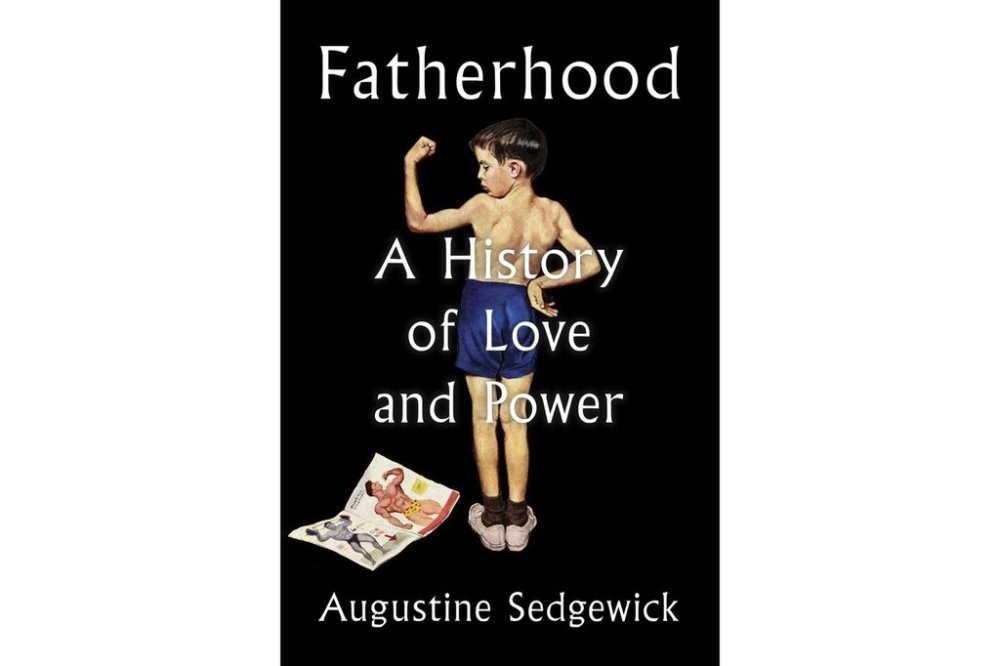
Sedgewick’s book doesn’t offer a clear answer on what it means to be a father, but he offers a series of enlightening stories about how several famous figures have approached fatherhood. It’s a motley assortment of dads, ranging from Plato to Bob Dylan.
The profiles, at times, feel disjointed, but that doesn’t make the details Sedgewick unearths about how the approach to fatherhood changed over the years any less interesting.
The book shows how naturalist Charles Darwin’s close relationship with his sons helped shaped his research on natural selection. And how Dylan rewrote his happy childhood in Hibbing, Minnesota, as he gained fame and re-invented his story to fit his image.
“Dylan understood, arguably before anyone else, one of the defining emotional truths of rock ‘n’ roll: a perfectly nice home can sometimes be the worst kind of all,” Sedgewick writes.
Sedgewick’s book shouldn’t be viewed as a guide for fathers or families, but it is a timely read for a point where family roles continue to evolve and be challenged.

___
AP book reviews: https://apnews.com/hub/book-reviews