

The new $50M Literary Arts Fund will support independent publishers and nonprofits
Advertisement
Read this article for free:
or
Already have an account? Log in here »
To continue reading, please subscribe:
Monthly Digital Subscription
$0 for the first 4 weeks*
- Enjoy unlimited reading on winnipegfreepress.com
- Read the E-Edition, our digital replica newspaper
- Access News Break, our award-winning app
- Play interactive puzzles
*No charge for 4 weeks then price increases to the regular rate of $19.95 plus GST every four weeks. Offer available to new and qualified returning subscribers only. Cancel any time.
Monthly Digital Subscription
$4.99/week*
- Enjoy unlimited reading on winnipegfreepress.com
- Read the E-Edition, our digital replica newspaper
- Access News Break, our award-winning app
- Play interactive puzzles
*Billed as $19.95 plus GST every four weeks. Cancel any time.
To continue reading, please subscribe:
Add Free Press access to your Brandon Sun subscription for only an additional
$1 for the first 4 weeks*
*Your next subscription payment will increase by $1.00 and you will be charged $16.99 plus GST for four weeks. After four weeks, your payment will increase to $23.99 plus GST every four weeks.
Read unlimited articles for free today:
or
Already have an account? Log in here »
NEW YORK (AP) — Citing a chronic shortage of financial backing for independent publishers and nonprofits dedicated to writing and reading, a coalition of seven charitable foundations has established a Literary Arts Fund that will distribute a minimum of $50 million over the next five years.
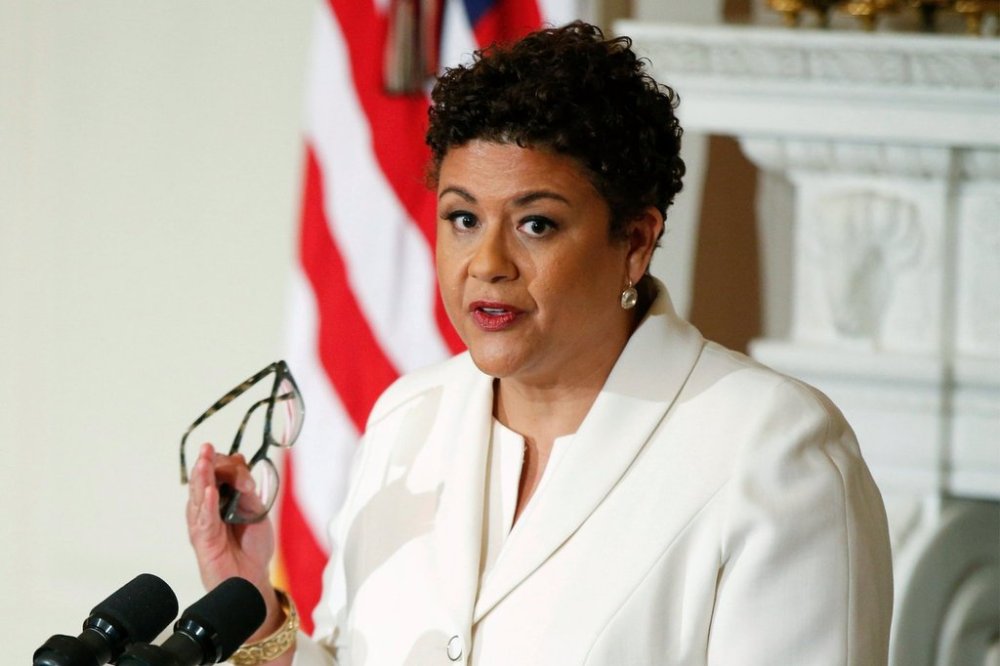
The idea for the fund was initiated by the Andrew W. Mellon Foundation, the country’s largest philanthropic supporter of the arts. Mellon President Elizabeth Alexander cited literature as a vital source of expression.
“Novelists, poets, and all manner of creative writers have shaped and driven our collective discourse and capacity for invention since the nation’s founding,” Alexander, an acclaimed poet who joined Mellon in 2018, said in a statement. “American philanthropy can and must play a bigger role in strengthening the financial infrastructure of the literary organizations and nonprofits that serve these literary artists.”
Author-bookseller Ann Patchett said in a statement that support “of the future of literature is a cause for celebration.”
The other participants are the Ford Foundation, Hawthornden Foundation, Lannan Foundation, John D. and Catherine T. MacArthur Foundation, the Poetry Foundation and an anonymous foundation. The project will be overseen by Jennifer Benka, whose previous experience includes serving as executive director of the Academy of American Poets. The application process is scheduled to begin Nov. 10.
During a telephone interview with The Associated Press, Alexander emphasized that the literary fund had been in the works well before the National Endowment of the Arts and National Endowment of the Humanities drastically cut back their support this year for virtually every art form. She referred to a 2023 study from the research organization Candid that found literary organizations and individuals were receiving less than 2% of some $5 billion in arts grants awarded in the U.S.
Parameters have not yet been established for the size of grants, but Alexander said support will likely extend across a wide range of recipients, from poetry festivals to writer residencies to small publishers.
“Support for literature goes a long way,” she said. “And language in its highest form is the best of humanity.”
Percival Everett, the Pulitzer Prize-winning novelist, said in a statement that “without nonprofit publishers American letters would have stalled long ago.” Everett himself was published for decades by an independent press, Graywolf, before moving to Penguin Random House and breaking through commercially with “James,” which received the Pulitzer in 2024.