

35 countries will compete in next year’s Eurovision Song Contest after 5 countries announce boycott
Advertisement
Read this article for free:
or
Already have an account? Log in here »
To continue reading, please subscribe:
Monthly Digital Subscription
$1 per week for 24 weeks*
- Enjoy unlimited reading on winnipegfreepress.com
- Read the E-Edition, our digital replica newspaper
- Access News Break, our award-winning app
- Play interactive puzzles
*Billed as $4.00 plus GST every four weeks. After 24 weeks, price increases to the regular rate of $19.95 plus GST every four weeks. Offer available to new and qualified returning subscribers only. Cancel any time.
Monthly Digital Subscription
$4.99/week*
- Enjoy unlimited reading on winnipegfreepress.com
- Read the E-Edition, our digital replica newspaper
- Access News Break, our award-winning app
- Play interactive puzzles
*Billed as $19.95 plus GST every four weeks. Cancel any time.
To continue reading, please subscribe:
Add Free Press access to your Brandon Sun subscription for only an additional
$1 for the first 4 weeks*
*Your next subscription payment will increase by $1.00 and you will be charged $16.99 plus GST for four weeks. After four weeks, your payment will increase to $23.99 plus GST every four weeks.
Read unlimited articles for free today:
or
Already have an account? Log in here »
GENEVA (AP) — Organizers of the Eurovision Song Contest on Monday announced a final list of 35 countries that will take part in the glitzy pop-music gala next year, after five countries said they would boycott due to discord over Israel’s participation.
Contest organizers announced the list for the 2026 finale, set to be held in Vienna in May, after five participants — Iceland, Ireland, the Netherlands, Slovenia and Spain — earlier this month announced plans to sit it out.
A total of 37 countries took part this year, when Austria’s JJ won. Three countries — Bulgaria, Moldova and Romania — will return, after skipping the event for artistic or financial reasons in recent years.
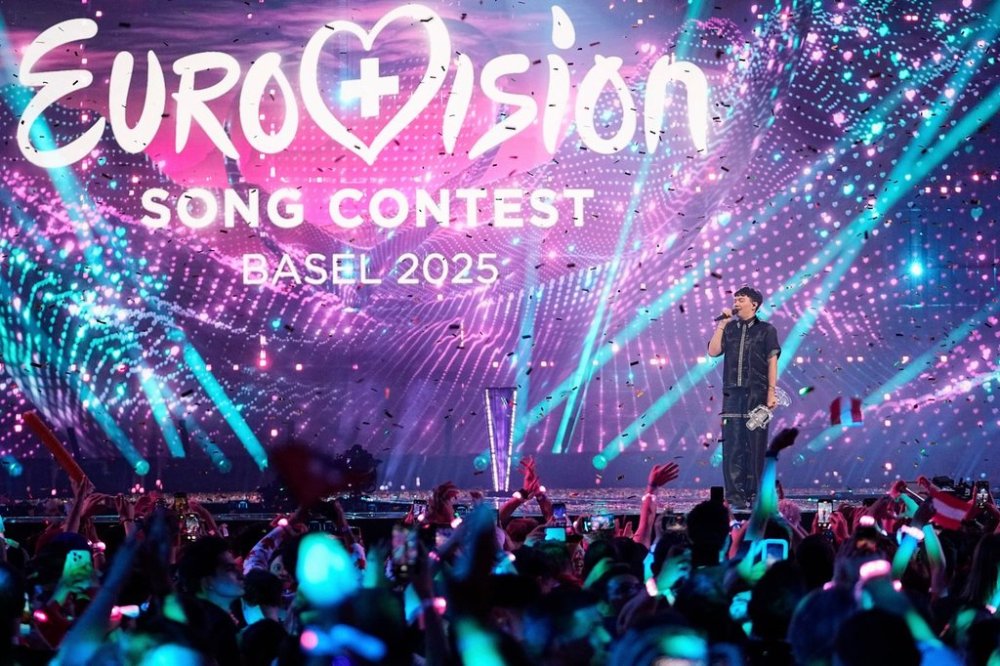
The walkout by some of the contest’s most stalwart and high-profile participants — Ireland shared the record of wins with Sweden — put political discord on center stage and has overshadowed the joyful, feel-good nature of the event.
Last week, the 2024 winner — non-binary singer Nemo of Switzerland. who won with the pop-operatic ode “The Code.”— announced plans to return the winner’s trophy because Israel is being allowed to compete.
Organizers this month decided to allow Israel to compete, despite protests about its conduct of the Israel-Hamas war in Gaza and allegations that Israel manipulated the vote in favor of its contestants.
The European Broadcasting Union, a group of public broadcasters from 56 countries that runs the glitzy annual event, had sought to dispel concerns about vote-rigging — but the reforms announced weren’t enough to satisfy the holdouts.
The musical extravaganza draws more than 100 million viewers every year — one of the world’s most-watched programs — but has been roiled by the war in Gaza for the past two years, stirring protests outside the venues and forcing organizers to clamp down on political flag-waving.
Experts say the boycott ahead of the event’s 70th anniversary amounts to one of the biggest crises the contest has faced, at a time when many public broadcasters face funding pressures and social media has lured away some eyeballs.
Israeli officials have hailed the decision by most EBU member broadcasters who supported its right to participate and warned of a threat to freedom of expression by embroiling musicians in a political issue.