

‘Extreme’ workouts drive spike in ‘rhabdo’ cases among young N.L. women, says doctor
Advertisement
Read this article for free:
or
Already have an account? Log in here »
To continue reading, please subscribe:
Monthly Digital Subscription
$1 per week for 24 weeks*
- Enjoy unlimited reading on winnipegfreepress.com
- Read the E-Edition, our digital replica newspaper
- Access News Break, our award-winning app
- Play interactive puzzles
*Billed as $4.00 plus GST every four weeks. After 24 weeks, price increases to the regular rate of $19.95 plus GST every four weeks. Offer available to new and qualified returning subscribers only. Cancel any time.
Monthly Digital Subscription
$4.99/week*
- Enjoy unlimited reading on winnipegfreepress.com
- Read the E-Edition, our digital replica newspaper
- Access News Break, our award-winning app
- Play interactive puzzles
*Billed as $19.95 plus GST every four weeks. Cancel any time.
To continue reading, please subscribe:
Add Free Press access to your Brandon Sun subscription for only an additional
$1 for the first 4 weeks*
*Your next subscription payment will increase by $1.00 and you will be charged $16.99 plus GST for four weeks. After four weeks, your payment will increase to $23.99 plus GST every four weeks.
Read unlimited articles for free today:
or
Already have an account? Log in here »
ST. JOHN’S – Intense workouts and social media pressure are driving a spike in rhabdomyolysis cases in young women in Newfoundland and Labrador, a physician with the province’s health authority said Thursday.
Newfoundland and Labrador Health Services said it confirmed about 20 cases in the eastern part of the province in the past six months. Doctors typically expect to see a few cases a year, said Dr. Richard Barter, the clinical chief of emergency medicine in the authority’s eastern urban zone.
“The cases that we’ve seen have been exclusively exertional rhabdomyolysis, and this is when a person takes their physical workouts to an extreme level,” Barter said in an interview.
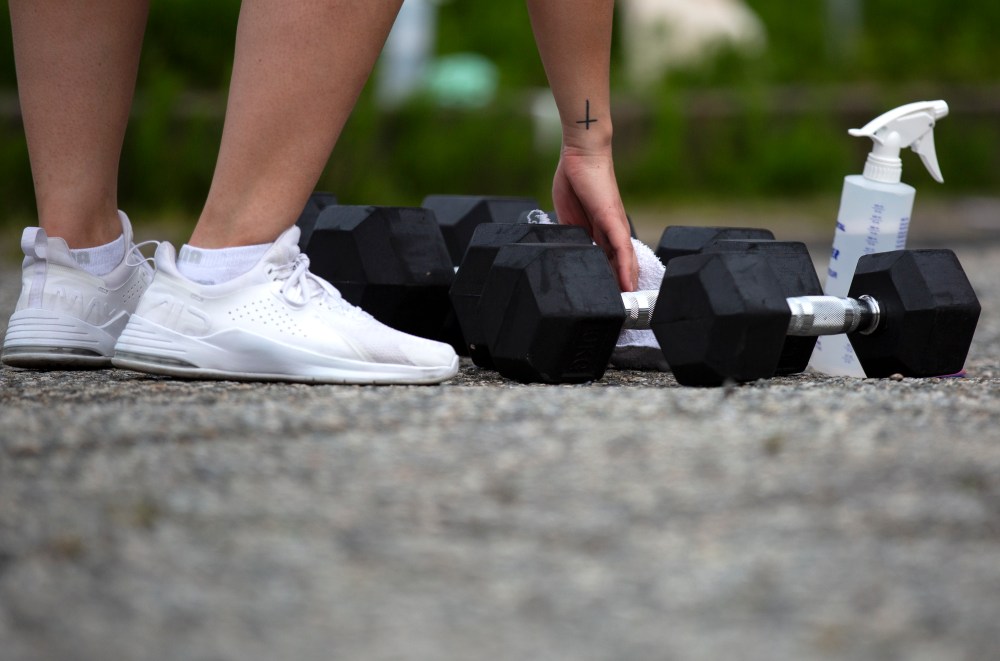
Rhabdomyolysis, or “rhabdo,” occurs when muscle tissue is severely damaged and breaks down, leaking enzymes and other substances into the blood. The painful condition can cause urine to turn the colour of black tea and it can lead to kidney damage, Barter said.
But Barter said a pressure to flex on social media appears to be fuelling workouts that are landing people in hospital emergency rooms.
“There is a culture right now to do extreme activities,” he said, adding that some people might take multiple spin classes in a day. ”We suspect that there’s a lot of posting on social media about what you’ve done, the number of reps that you’ve done, how high you’ve got your heart rate … there’s a friendly jousting competitiveness going on.”
The majority of the cases have been in women aged 19 to 30, he said.
The normal rate of rhabdo is about 4.5 to eight cases per 100,000 people each year, Barter said. The health authority has confirmed about 20 cases since Oct. 1, a news release said Thursday.

“One doctor said they’ve seen seven cases in the last five months,” Barter said.
He noted that his data comes from adult hospitals which only see patients who are older than 18. He has not checked if the children’s hospital in St. John’s is seeing the same trend.
Newfoundland and Labrador Health Services urged residents to stay hydrated before and after exercise and to avoid overworking one muscle group. People should also allow recovery time after intense workouts and incorporate regular rest days into their exercise schedules.
“Be careful,” Barter said. “If you have any concerns about your exercise program, reach out to someone who has more knowledge — an exercise consultant, or someone in your club or your gym.”
This report by The Canadian Press was first published March 19, 2026.