The Winnipeg Free Press would like to show you notifications for breaking news and noteworthy local journalism.
No Thanks
Allow
Notification Settings
This browser doesn't support push notifications at the moment. Check browsers features, update your browser or try to use one from the list of recommended to manage your notifications settings:
Firefox (27+)
Google Chrome (30+)
Safari ( MacOS 13+ with browser 16.1+ and iOS 16.4+ ) / Note make sure Push API support enabled under Settings > Safari > Advanced > Experimental Features
Microsoft Edge
If you wish to manage your notification settings from this browser you will need to update your browser's settings for this site. Just click button below and allow notifications for this site
Note Safari 16.4+ working on iOS devices also need this site app to be installed at device's Home Screen for Push Notifications to work
Notifications are blocked for this site. If you wish to manage your notification settings from this browser you will need to update your browser's settings. Usually you'd need to click on site options icon to the left of address bar and change notifications preferences/permissions from there
*No charge for 4 weeks then price increases to the regular rate of $19.95 plus GST every four weeks. Offer available to new and qualified returning subscribers only. Cancel any time.
Monthly Digital Subscription
$4.99/week*
Enjoy unlimited reading on winnipegfreepress.com
Read the E-Edition, our digital replica newspaper
Access News Break, our award-winning app
Play interactive puzzles
*Billed as $19.95 plus GST every four weeks. Cancel any time.
To continue reading, please subscribe:
Add Free Press access to your Brandon Sun subscription for only an additional
*Your next subscription payment will increase by $1.00 and you will be charged $16.99 plus GST for four weeks. After four weeks, your payment will increase to $23.99 plus GST every four weeks.
Films based on the stories of Edgar Allen Poe have been around pretty much as long as cinema itself.
Hey there, time traveller!
This article was published 26/04/2012 (5007 days ago), so information in it may no longer be current.
Films based on the stories of Edgar Allen Poe have been around pretty much as long as cinema itself.
Poe was an American writer and literary critic mostly associated with the horror genre, but he could just as easily be considered a founding father of the mystery story and even science fiction.
The first film adaptations of his works began in Europe around 1910, with his stories The Gold Bug and The Pit and the Pendulum produced in France and Italy, respectively.
For the best or most interesting Poe adaptations, seek out:
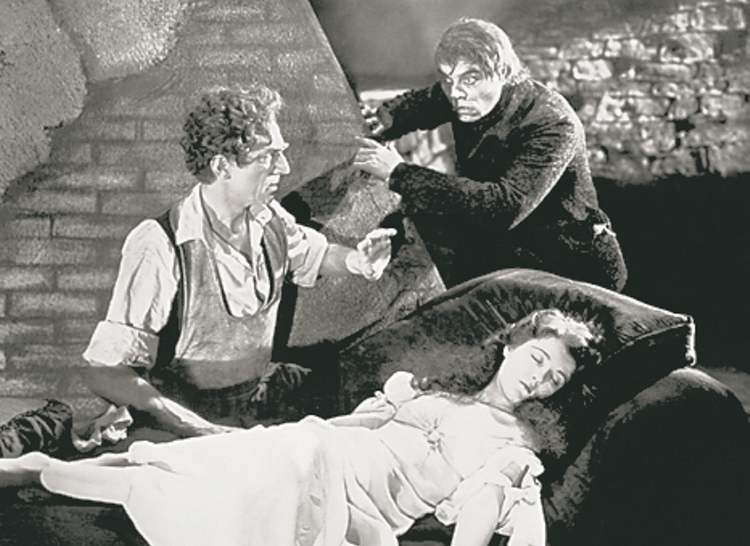
Murders in the Rue Morgue (1932)
Bela Lugosi followed up Dracula (1931) with this Poe-inspired mystery playing a mad scientist who uses his simian assistant to kidnap various women for his unnatural experiments. It was not a hit at the box office, but this somewhat kinky fright fest is considered one of the better Gothic thrillers of the era.
Murders in the Rue Morgue
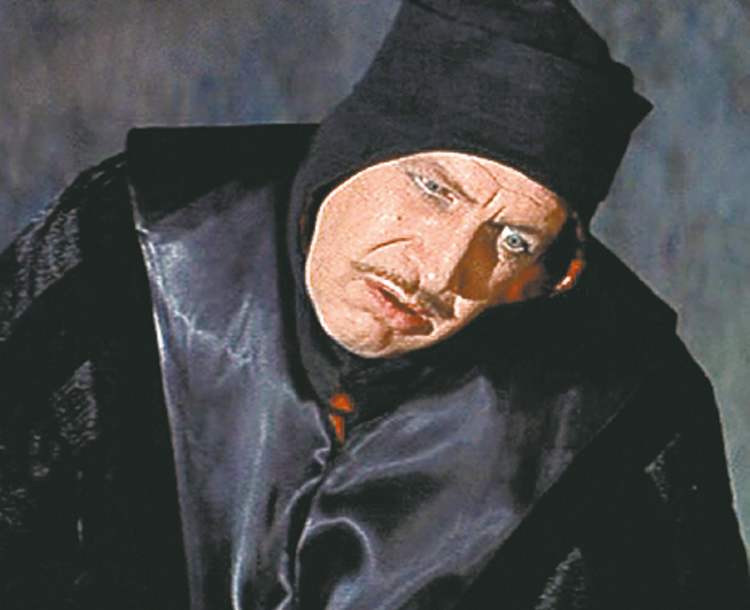
The Pit and the Pendulum (1961)
Roger Corman directed no less than eight films based on Poe, including House of Usher (1960), The Raven (1963) and the Robert Towne-scripted The Tomb of Ligeia (1964). This may not be the best, but it’s a wonderfully lurid piece of work starring Vincent Price as the son of a Spanish Inquisition torture-freak driven mad by the machinations of his evil wife (Barbara Steele). The climactic scene in which hero John Kerr watches as the razor-sharp pendulum descends closer and closer to his bound torso may represent some of Corman’s finest work as a director.
The Pit and the Pendulum
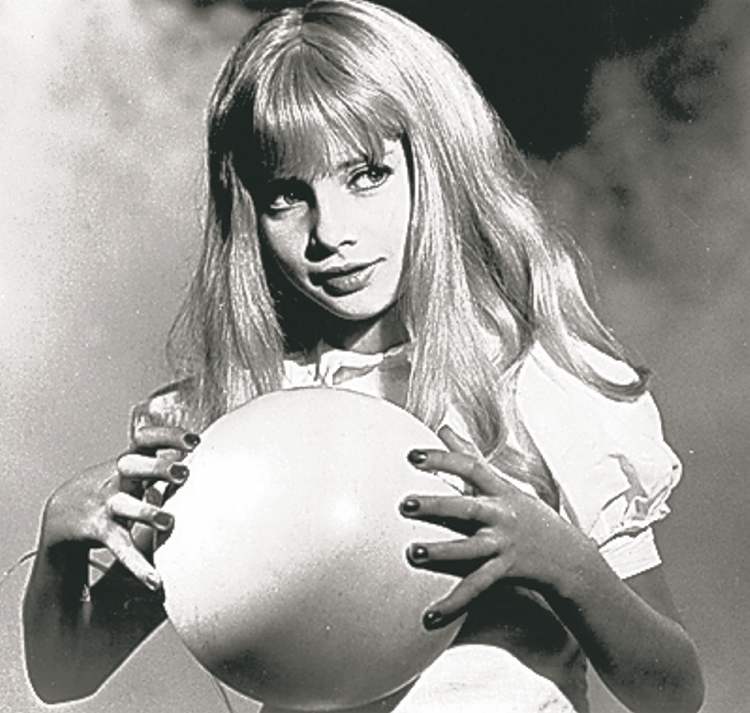
Spirits of the Dead (1968)
Louis Malle, Roger Vadim and Federico Fellini all contributed short films to this cinematic Poe omnibus including, respectively, Metzengerstein, William Wilson and Toby Dammit. Though the first two films boasted the likes of Jane Fonda, Alain Delon and Brigitte Bardot in the cast, the best was saved for last: Fellini’s adaptation of the droll Poe story Never Bet the Devil Your Head stars a delightfully dissolute Terence Stamp as an alcoholic actor who takes a job in Rome in exchange for a Ferrari. The movie’s incarnation of pure evil — a little girl playing with a white ball — became a much-copied horror movie trope.
Spirits of the Dead
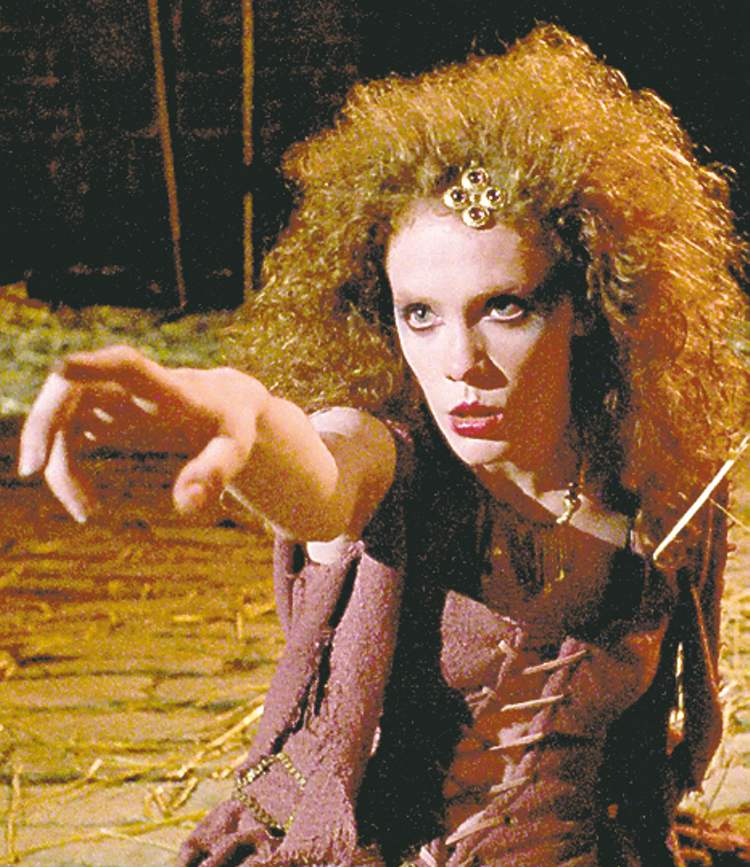
Two Evil Eyes (1990)
Horror icons George Romero and Dario Argento divided up the Poe duties with this two-episode anthology of Poe stories. Romero (of the Living Dead movies) exploited his zombie experience for The Facts in the Case of Mr. Valdemar, the story of a gold digger (Adrienne Barbeau) who conspires with her doctor-lover to keep her elderly husband alive through hypnosis until she can clean out his bank account. The scheme works too well: The hubby dies, but the corpse cannot be at peace until released by the hypnotist who put him under. The giallo vet Argento piles on the gruesomeness (and references to other Poe short stories, such as the chilling Berenice) in his version of The Black Cat starring Harvey Kietel as Rod Usher, a crime photographer driven to grisly murder by the titular feline. Gorehounds may prefer Argento, but the Romero story is actually the better thriller.
randall.king@freepress.mb.ca
Two Evil Eyes
Randall King Writer
Randall King writes about film for the Winnipeg Free Press.
Our newsroom depends on a growing audience of readers to power our journalism. If you are not a paid reader, please consider becoming a subscriber.
Our newsroom depends on its audience of readers to power our journalism. Thank you for your support.
Randall King Writer
Randall King writes about film for the Winnipeg Free Press.
Our newsroom depends on a growing audience of readers to power our journalism. If you are not a paid reader, please consider becoming a subscriber.
Our newsroom depends on its audience of readers to power our journalism. Thank you for your support.