New on DVD/VOD

Advertisement
Read this article for free:
or
Already have an account? Log in here »
To continue reading, please subscribe:

Digital Subscription
One year of digital access for only $205*
- Enjoy unlimited reading on winnipegfreepress.com
- Read the E-Edition, our digital replica newspaper
- Access News Break, our award-winning app
- Play interactive puzzles
*First annual payment billed as $205.00 + GST for one year. This annual subscription will automatically renew at $233.00 + GST every 52 weeks (10% off the regular annual price of $259.35). Offer available to new and qualified returning subscribers only. Cancel any time.
To continue reading, please subscribe:
Add Free Press access to your Brandon Sun subscription for only an additional
$1 for the first 4 weeks*
- Enjoy unlimited reading on winnipegfreepress.com
- Read the E-Edition, our digital replica newspaper
- Access News Break, our award-winning app
- Play interactive puzzles
*Your next Brandon Sun subscription payment will increase by $1.00 and you will be charged $17.95 plus GST for four weeks. After four weeks, your payment will increase to $24.95 plus GST every four weeks.
Read unlimited articles for free today:
or
Already have an account? Log in here »
Hey there, time traveller!
This article was published 27/03/2014 (4559 days ago), so information in it may no longer be current.
The Wolf of Wall Street
The movies Mean Streets, Goodfellas and Casino proved no one delineates the inner workings of the Mob with the brutal brio of Martin Scorsese.
The Wolf of Wall Street offers a kind of corrective to those Mob movies. The lying, cheating and epic greed that nearly brought about a complete financial collapse in 2008 initiates a serious rethink of American crime. Maybe it wasn’t the guys in the sharkskin suits we should have worried about. Maybe it was the financial titans in the tailored suits, the suspenders and the elegant Bulgari watches.
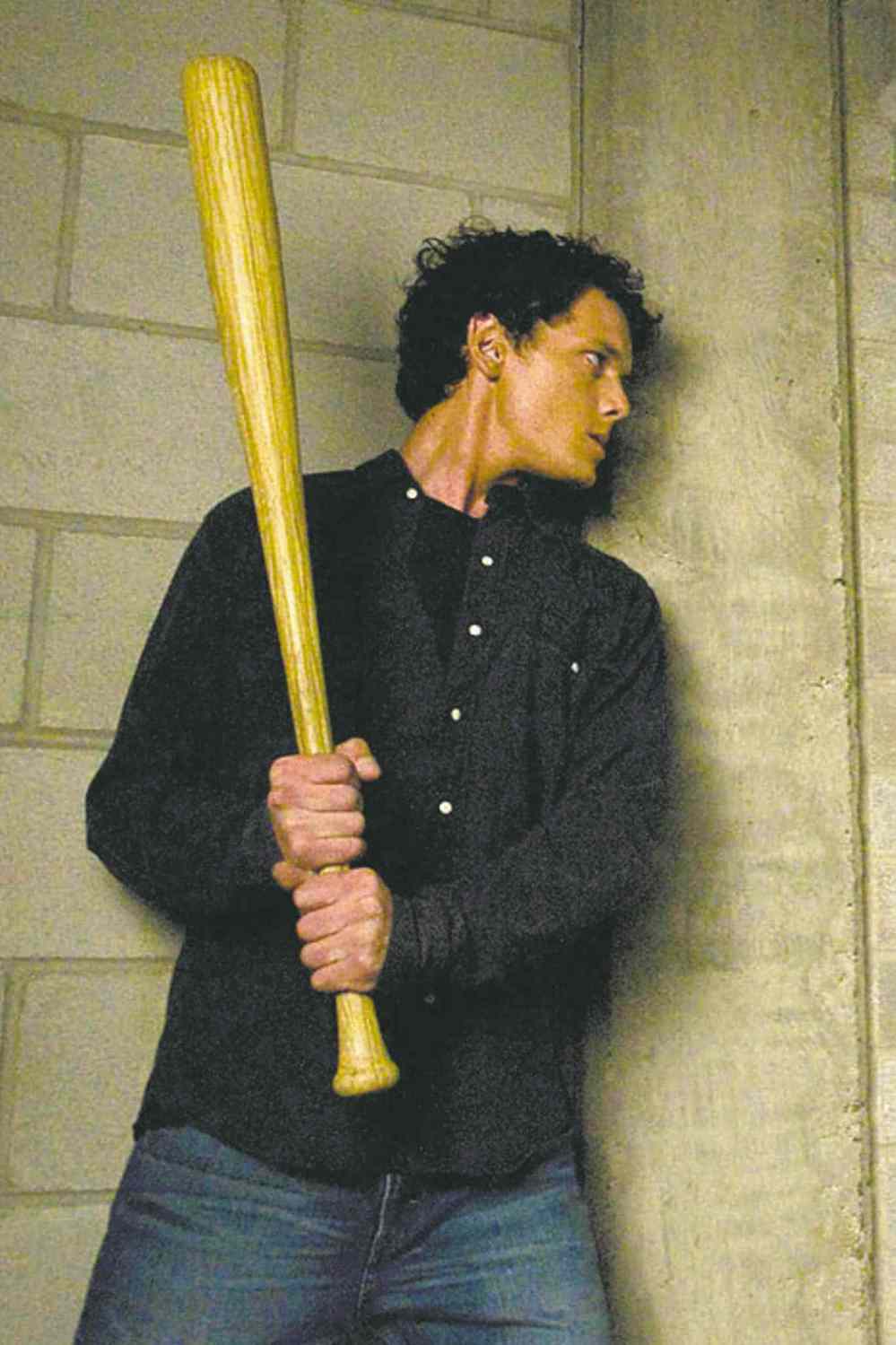
Like Goodfellas and Casino, The Wolf of Wall Street is based on the real life of an authentic criminal. Jordan Belfort (an uncharacteristically jubilant Leonardo DiCaprio) did not rise from the mean streets of Little Italy. He was a Jewish kid from Queens and by the time he was in his 20s, he was intent on a respectable career on Wall Street.
It’s safe to say his ambition was re-routed upon being mentored by Wall Street star Mark Hanna (Matthew McConaughey), who informs the impressionable Jordan that the stockbroker’s true goal is to “move money from the client’s pocket to your pocket.” The chief tool required, as Hanna explains it, is not due diligence. It’s a combination of masturbation and cocaine.
Belfort took that philosophy of self-gratification to dizzy new heights upon opening his own trading organization with the calculatedly WASP-y name of Stratton-Oakmont. Partnered with the equally ruthless Donnie Azoff (Jonah Hill), Belfort creates a corporate culture encompassing sex, drugs, conspicuous consumption and unfettered greed.
It’s debatable if Scorsese intended this film to be in close stylistic sync with Goodfellas, but the equivalences are unmistakable, especially in the protagonist’s confessional narration. (DiCaprio even sounds like Ray Liotta at times.) In Goodfellas, Scorsese froze the frame on a young Henry Hill dashing away from his act of arson. The signature freeze frame in Wolf involves the comparatively frivolous indulgence of dwarf-tossing.
Even Goodfellas’ centrepiece sequence — a coked-up Henry Hill tries to clear up a complicated to-do list — has its druggie parallel when Jordan, knocked on his butt by a mega-dose of pharmaceutical-grade Quaaludes, attempts to drive home from a country club to stop Donnie from making an incriminating call to a Swiss banker.
It amounts to a consistently surprising story, even over three hours, with a cast of colourful characters including Jordan’s gorgeous wife Naomi (an excellent turn from Aussie lollapalooza Margot Robbie), Jordan’s dyspeptic dad “Mad Max” (Rob Reiner), and a suave Swiss banker nurturing some indulgences of his own (Jean Dujardin).
Caution should be exercised: instead of violent excess, the film goes with sexual excess. Even so, it serves as a concise macroscopic depiction of the over-arching greed that damn near ruined us all. Four stars out of five.
Odd Thomas
Much like the 2010 one-off thriller Dylan Dog, Odd Thomas is a movie that deserved to be a horror-comedy franchise … if only the initial offering hadn’t been somewhat bungled.
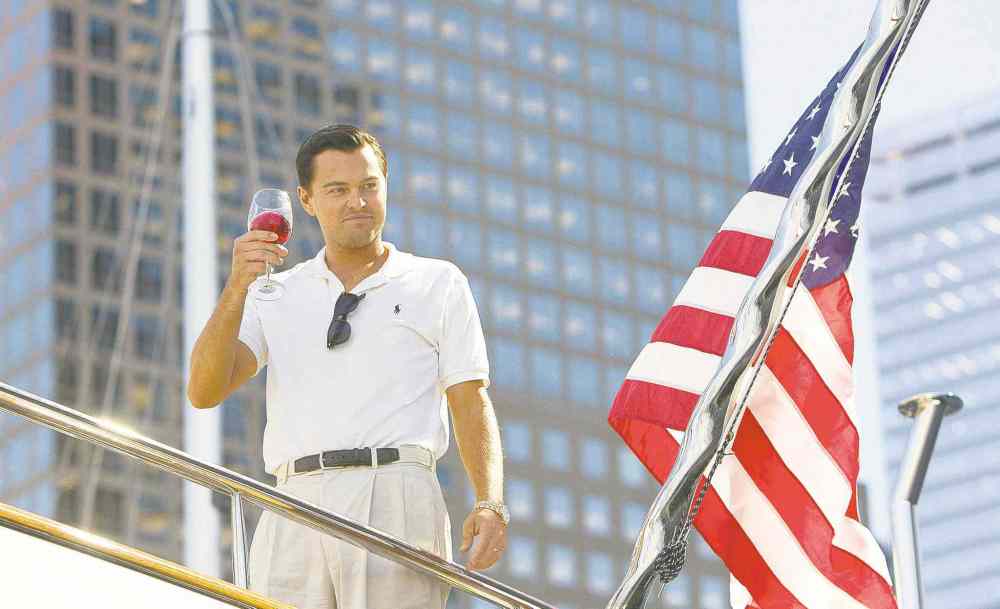
Both movies have heroes who commune regularly with supernatural forces. But Odd (yes, that’s his name), played by Anton Yelchin, doesn’t make a career of it. He’s a modest fry cook in a small California desert town of Pico Mundo (actually, the movie was shot in Santa Fe, N.M.), where his ability to see and communicate with dead people gives him an edge when it comes to solving baffling murders.

Odd can literally sniff out evil, which, for him, takes the physical form of translucent reptilians called “Bodachs” that only he can see.
The Bodachs experience a population surge upon the arrival of a weirdo dubbed “Fungus Bob” (Shuler Hensley), leading Odd to the conclusion that a devastating mass murder may claim the entire town. Unfortunately, uncovering the impending crime may not be as easy as all that, given that the Bodachs are acting mighty peculiar, and the ability to see dead people can actually put our hero on the wrong track altogether.
Yelchin is OK, and Willem Dafoe earns a few genre credibility points as the town’s helpful sheriff, but those points are taken away by actress Addison Timlin, who plays Odd’s plucky girlfriend, Stormy. Her line readings are rather wooden, but then, maybe she was trying to steer away from director Steven Sommers’ penchant for overly cute dialogue. (See also: The Mummy; Van Helsing.)
Sommers has seemed to be on a lifelong mission to PG-ify the American horror genre. With Odd Thomas, that translates to rendering insipid a genuinely compelling premise. And thus, a franchise will fall. Two stars out of five.
randall.king@freepress.mb.ca
Our newsroom depends on a growing audience of readers to power our journalism. If you are not a paid reader, please consider becoming a subscriber.
Our newsroom depends on its audience of readers to power our journalism. Thank you for your support.
Our newsroom depends on a growing audience of readers to power our journalism. If you are not a paid reader, please consider becoming a subscriber.
Our newsroom depends on its audience of readers to power our journalism. Thank you for your support.
Advertisement Advertise With Us
Advertisement Advertise With Us