Rotten Apple
Steve Jobs' former collegues call foul on his portrayal in new biopic
Advertisement
Read this article for free:
or
Already have an account? Log in here »
To continue reading, please subscribe:

Digital Subscription
One year of digital access for only $205*
- Enjoy unlimited reading on winnipegfreepress.com
- Read the E-Edition, our digital replica newspaper
- Access News Break, our award-winning app
- Play interactive puzzles
*First annual payment billed as $205.00 + GST for one year. This annual subscription will automatically renew at $233.00 + GST every 52 weeks (10% off the regular annual price of $259.35). Offer available to new and qualified returning subscribers only. Cancel any time.
To continue reading, please subscribe:
Add Free Press access to your Brandon Sun subscription for only an additional
$1 for the first 4 weeks*
- Enjoy unlimited reading on winnipegfreepress.com
- Read the E-Edition, our digital replica newspaper
- Access News Break, our award-winning app
- Play interactive puzzles
*Your next Brandon Sun subscription payment will increase by $1.00 and you will be charged $17.95 plus GST for four weeks. After four weeks, your payment will increase to $24.95 plus GST every four weeks.
Read unlimited articles for free today:
or
Already have an account? Log in here »
Hey there, time traveller!
This article was published 26/10/2015 (3970 days ago), so information in it may no longer be current.
Daniel Kottke knew Steve Jobs before he was Steve Jobs.
It was 1972 when Kottke met the future tech icon at Reed College in Portland, Ore. Both young men shared enthusiasm for Eastern philosophy, Bob Dylan, vegetarianism and LSD. Five years later, Kottke joined Jobs as the 12th employee at a startup called Apple Computer.
Like many others who knew Jobs, Kottke says he doesn’t entirely recognize the version of the Apple co-founder portrayed by Michael Fassbender in the film Steve Jobs, or the events depicted onscreen.
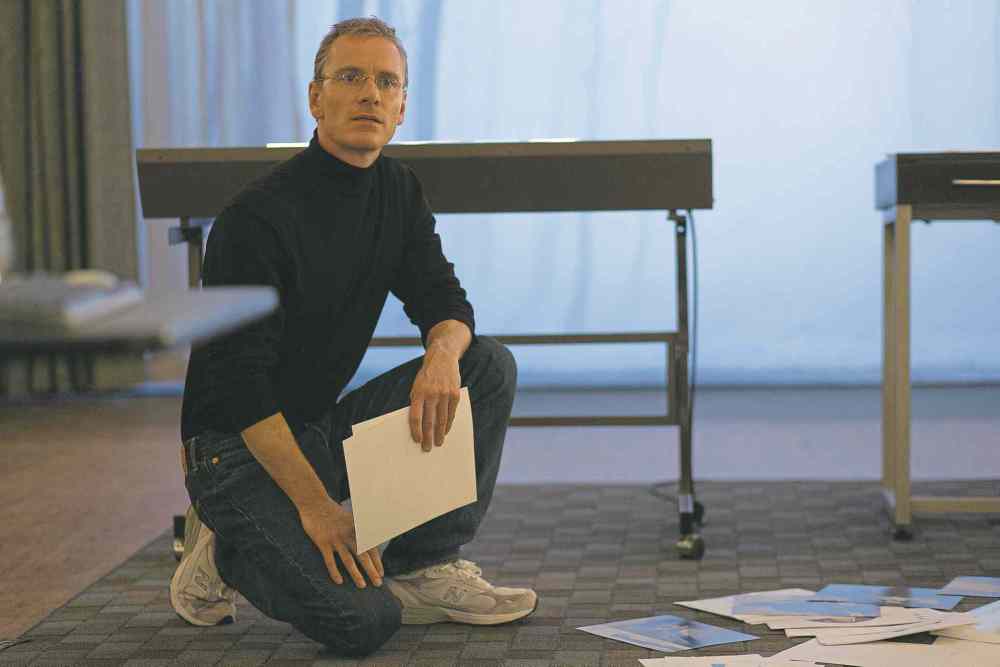
“It was all complete fiction,” Kottke said last week after watching the movie — which he nonetheless enjoyed and admired — at a private screening in Mountain View, Calif. “The film was mythologizing in action. But that’s been going on for quite a while, and Steve cultivated it. The mythology of Steve Jobs has just gone another generation here.”
Written by Aaron Sorkin and directed by Danny Boyle, Steve Jobs attempts a tricky balancing act, setting out to convey essential warts-and-all truths about its subject while taking extensive liberties with specific details of his life. The film, which has been in limited release, expanded to more than 2,000 theatres Friday.
Steve Jobs unfolds backstage at three different product launches, inventing situations and dialogue out of whole cloth and highlighting Jobs’ reputation as a demanding bully and his emotionally fraught relationship with his eldest daughter, Lisa.
On its artistic merits, the film has been met with almost universal raves. But former colleagues and friends of Jobs are judging it by how accurately it depicts the man they knew — and on that score, reactions have been mixed.
By all accounts, Jobs was a complex, mercurial figure, by turns inspirational and tyrannical, visionary and petty. Faithfully representing those paradoxes onscreen in two hours would be a tall order for anyone — and whether Steve Jobs succeeds depends on who you ask.
Former Apple engineer Andy Hertzfeld, one of the key members of the team that developed the Macintosh, praises the film as “structurally innovative, superbly written and full of great performances.” But he calls its portrayal of Jobs “a caricature.”
“I think it captured Steve’s charisma, ambition, passion, world-class chutzpah and sense of humour really well, but it left out many areas of his personality and distorted others,” said Hertzfeld, who is played in the film by Michael Stuhlbarg. “For example, it mainly showed Steve motivating people by intimidating them, but in real life he more often charmed or inspired them instead.”
Some high-ranking figures within Apple have been harsher in their appraisal.
Apple CEO Tim Cook called the film and other recent movies about Jobs “opportunistic,” while Apple design chief Jony Ive characterized them as a virtual act of posthumous character assassination.
“There are sons and daughters and widows and very close friends who are completely bemused and completely upset,” Ive told Vanity Fair’s New Establishment Summit earlier this month, acknowledging he had not yet seen the new movie. “I don’t recognize this person at all. I’m sorry to sound a bit grumpy about it, but I just find it ever so sad.”
Jobs’ high school girlfriend, Chrisann Brennan, whose bitter feud with him over his paternity and financial support of Lisa is one of the film’s main threads, also raised objections to Sorkin’s script early on.
“It was not honest about my character, so I got my attorney involved,” Brennan told The Times in a voicemail message, in which she declined to be interviewed. “Some things were changed. I don’t know what they were. I won’t be able to comment on the movie until after I see it.”
Former Apple CEO John Sculley, who is played in the film by Jeff Daniels, said that, while he thinks the film is “for the most part accurate,” he understands why those closest to Jobs, such as Powell Jobs, might have issues with it.
“Steve was not only a genius and the greatest CEO — he was a very good human being,” said Sculley. “I had huge admiration for him as a friend. If someone gets the impression from the movie that this was a bad person, I can tell you that’s not what the case was. I’m sure his wife has similar feelings. I think she’s probably upset because it’s a controversial film and Steve’s not here to defend himself.”
For his part, Sorkin — who won the adapted-screenplay Oscar for 2010’s The Social Network — is not surprised the film’s provocative depiction of Jobs has stirred up some controversy. But he argues that to subject it to the usual journalistic fact-checking is to miss the point. Unlike with more traditional biopics, he says, its elisions and fabrications are entirely by design.
“We have this conversation every year around this time: Zero Dark Thirty, Argo, Lincoln, Selma,” Sorkin said. “Steve Jobs doesn’t fall into the same genre as those films. It’s not meant to be a dramatic re-creation of actual events. Which isn’t to say it’s fiction.
“I believe the movie announces itself pretty quickly as being impressionistic… I wince a little when I hear ‘artistic licence’ because it generally sounds like a dodge — and an excuse for hyping the truth. I don’t think we employed artistic licence. I think we were just artistic.”
What would Jobs himself think of the movie? On that question, at least, Kottke has no doubt.
“He would not approve of any of it,” he said. “He was a control freak about media in general. He was obsessive about his public appearances. Drove everybody crazy.”
— Los Angeles Timesaccuesecaccuesecsectsec tsectsectsectsectsectsececccclikelikelikelikelikesnappy? 348-2, 324-1? whatever
Daniel Kottke knew Steve Jobs before he was Steve Jobs.
It was 1972 when Kottke met the future tech icon at Reed College in Portland, Ore. Both young men shared enthusiasm for Eastern philosophy, Bob Dylan, vegetarianism and LSD. Five years later, Kottke joined Jobs as the 12th employee at a startup called Apple Computer.
Like many others who knew Jobs, Kottke says he doesn’t entirely recognize the version of the Apple co-founder portrayed by Michael Fassbender in the film SDLqSteve Jobs,SDRq or the events depicted onscreen.
“It was all complete fiction,” Kottke said last week after watching the movie — which he, nonetheless enjoyed and admired — at a private screening in Mountain View, Calif. “The film was mythologizing in action. But that’s been going on for quite a while, and Steve cultivated it. The mythology of Steve Jobs has just gone another generation here.”
Written by Aaron Sorkin and directed by Danny Boyle, “Steve Jobs attempts a tricky balancing act, setting out to convey essential warts-and-all truths about its subject while taking extensive liberties with specific details of his life. The film, which has been in limited release, expandeds to more than 2,000 theatreers Friday.
SDLqSteve Jobs unfolds backstage at three different product launches, inventing situations and dialogue out of whole cloth and highlighting Jobs’ reputation as a demanding bully and his emotionally fraught relationship with his eldest daughter, Lisa.
On its artistic merits, the film has been met with almost universal raves. But former colleagues and friends of Jobs are judging it by how accurately it depicts the man they knew — and on that score, reactions have been mixed.
By all accounts, Jobs was a complex, mercurial figure, by turns inspirational and tyrannical, visionary and petty. Faithfully representing those paradoxes onscreen in two hours would be a tall order for anyone — and whether or not “Steve Jobs succeeds depends on who you ask.
Former Apple engineer Andy Hertzfeld, one of the key members of the team that developed the Macintosh, praises the film as “structurally innovative, superbly written and full of great performances.” But he calls its portrayal of Jobs “a caricature.”
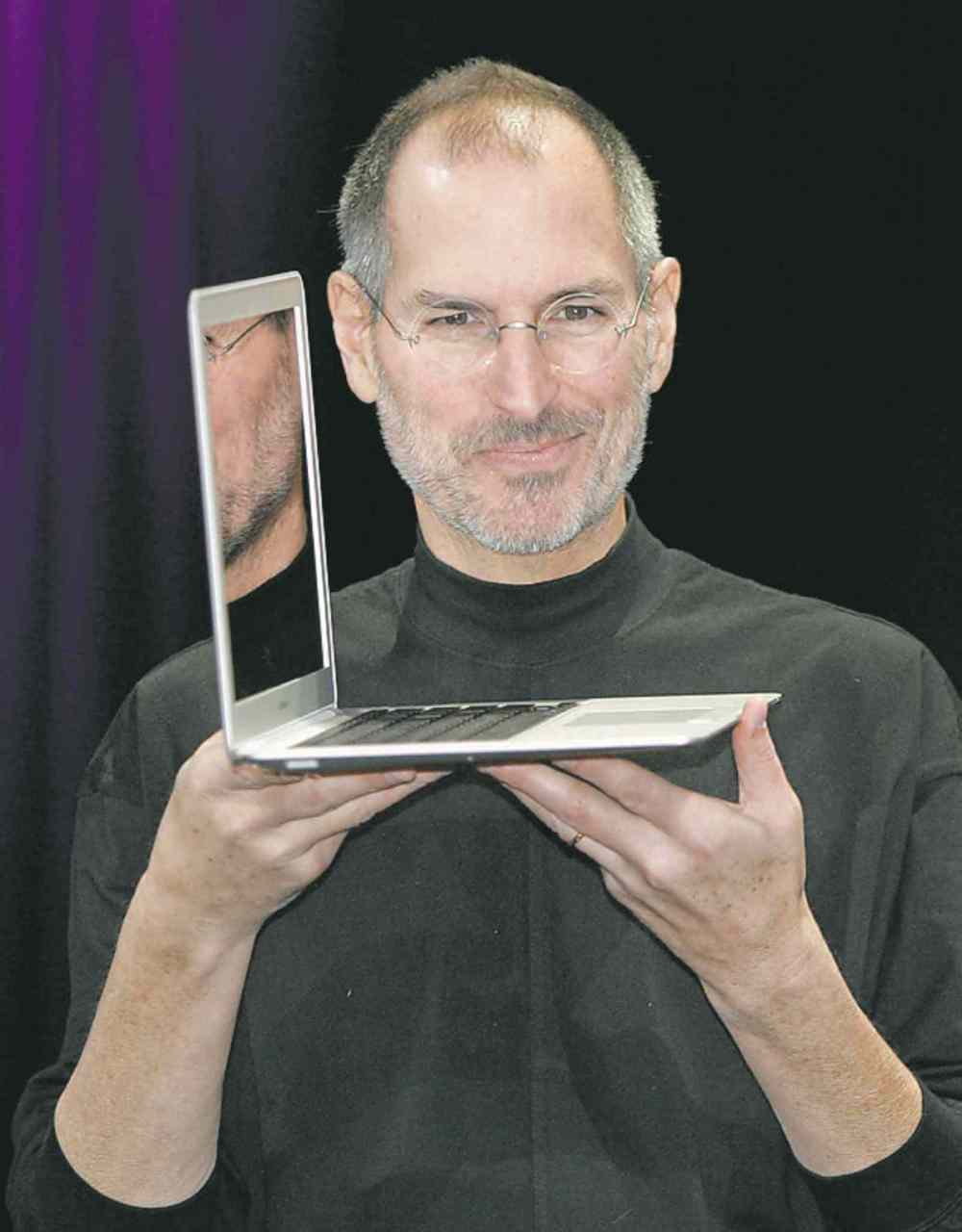
“I think it captured Steve’s charisma, ambition, passion, world-class chutzpah and sense of humour really well, but it left out many areas of his personality and distorted others,” said Hertzfeld, who is played in the film by Michael Stuhlbarg. “For example, it mainly showed Steve motivating people by intimidating them, but in real life he more often charmed or inspired them instead.”
Some high-ranking figures within Apple have been harsher in their appraisal.
Apple CEO Tim Cook called the film and other recent movies about Jobs “opportunistic,” while Apple design chief Jony Ive characterized them as a virtual act of posthumous character assassination.
“There are sons and daughters and widows and very close friends who are completely bemused and completely upset,” Ive told Vanity Fair’s New Establishment Summit earlier this month, acknowledging he had not yet seen the new movie. “I don’t recognize this person at all. I’m sorry to sound a bit grumpy about it, but I just find it ever so sad.”
Jobs’ high school girlfriend, Chrisann Brennan, whose bitter feud with him over his paternity and financial support of Lisa is one of the film’s main threads, also raised objections to Sorkin’s script early on.
“It was not honest about my character, so I got my attorney involved,” Brennan told The Times in a voicemail message, in which she declined to be interviewed. “Some things were changed. I don’t know what they were. I won’t be able to comment on the movie until after I see it.”
In the end, while Sorkin consulted extensively with Apple co-founder Steve Wozniak, Hertzfeld, Lisa Brennan-Jobs and others, several key figures within Apple refused to be involved with the movie in any way.
“We’ve not had a lot of help from a lot of people,” Boyle said. “Apple is a huge corporation and they like to have control of stuff. That’s why this movie is important: Everybody’s answerable, especially a figure like this.”
Former Apple CEO John Sculley, who is played in the film by Jeff Daniels, said that, while he thinks the film is “forcaccuesec like Powell Jobs, might have issues with it.
“Steve was not only a genius and the greatest CEO — he was a very good human being,” said Sculley. “I had huge admiration for him as a friend. If someone gets the impression from the movie that this was a bad person, I can tell you that’s not what the case was. I’m sure his wife has similar feelings. I think she’s probably upset because it’s a controversial film and Steve’s not here to defend himself.”
For his part, Sorkin — who won the adapted- screenplay Oscar for 2010’s “The Social Network — is not surprised that the film’s provocative depiction of Jobs has stirred up some controversy. But he argues that to subject it to the usual journalistic fact-checking is to miss the point. Unlike with more traditional biopics, he says, its elisions and fabrications are entirely by design.
“We have this conversation every year around this time: SSLqZero Dark Thirty, SSLqArgo,SSRq SSLqLincoln, Selma,'” Sorkin said. “Steve Jobss’ doesn’t fall into the same genre as those films. It’s not meant to be a dramatic re-creation of actual events. Which isn’t to say it’s fiction.
“I believe the movie announces itself pretty quickly as being impressionistic… . … I wince a little when I hear ‘artistic licencse’ because it generally sounds like a dodge — and an excuse for hyping the truth. I don’t think we employed artistic licencese. I think we were just artistic.”
Rick Tetzeli, editor at large at Fast Co. and co-author with Brent Schlender of the recent biography “Becoming Steve Jobs,” says that criticisms of the movie from Apple insiders are not surprising given the complicated space Jobs’ image occupies within the company.
“Apple is undergoing a transition where it wants to be proud of Steve’s legacy and show that it’s still doing things the way he did in some ways, and on the other hand it’s launching into new areas and trying to get its own identity away from him,” he said. “The existence of this movie doesn’t help that transition for them.”
Tetzeli has his own beefs with the film, arguing it fails to capture Jobs’ personal growth over time and gives short shrift to his tremendous business acumen.
“It’s not a portrait of the whole man — it’s a portrait of a Sorkin fantasy of what a great, tortured businessman is,” he said. “Where is the evidence of his genius? The film made it seem like what Apple did was a trick of marketing and the result of a charismatic guy who figured out which people to beat up.”
What would Jobs himself think of the movie? On that question, at least, Kottke has no doubt.
“He would not approve of any of it,” he said. “He was a control freak about media in general. He was obsessive about his public appearances. Drove everybody crazy.”
— Los Angeles Times