Cranston defends wheelchair-bound role
Advertisement
Read this article for free:
or
Already have an account? Log in here »
To continue reading, please subscribe:

Digital Subscription
One year of digital access for only $205*
- Enjoy unlimited reading on winnipegfreepress.com
- Read the E-Edition, our digital replica newspaper
- Access News Break, our award-winning app
- Play interactive puzzles
*First annual payment billed as $205.00 + GST for one year. This annual subscription will automatically renew at $233.00 + GST every 52 weeks (10% off the regular annual price of $259.35). Offer available to new and qualified returning subscribers only. Cancel any time.
To continue reading, please subscribe:
Add Free Press access to your Brandon Sun subscription for only an additional
$1 for the first 4 weeks*
- Enjoy unlimited reading on winnipegfreepress.com
- Read the E-Edition, our digital replica newspaper
- Access News Break, our award-winning app
- Play interactive puzzles
*Your next Brandon Sun subscription payment will increase by $1.00 and you will be charged $17.95 plus GST for four weeks. After four weeks, your payment will increase to $24.95 plus GST every four weeks.
Read unlimited articles for free today:
or
Already have an account? Log in here »
Hey there, time traveller!
This article was published 11/01/2019 (2826 days ago), so information in it may no longer be current.
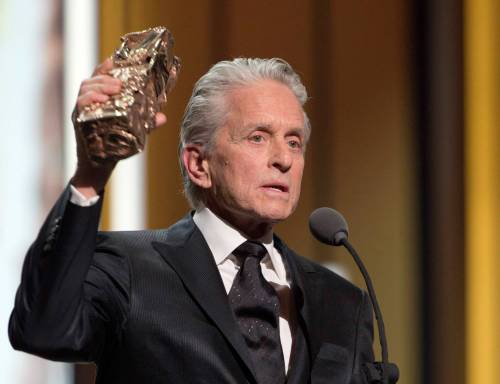
Bryan Cranston is standing by his decision to play a disabled character following criticism for his role in The Upside.
Cranston, best known for playing Walter White in the hit TV show Breaking Bad, takes on the role of a quadriplegic billionaire who forms an unlikely friendship with a paroled convict-turned-caretaker (played by comedian Kevin Hart).
The casting of an able-bodied person for the role sparked some backlash on Twitter amid Hollywood’s push toward more inclusion, but Cranston said his portrayal of Phillip Lacasse was a “business decision.”
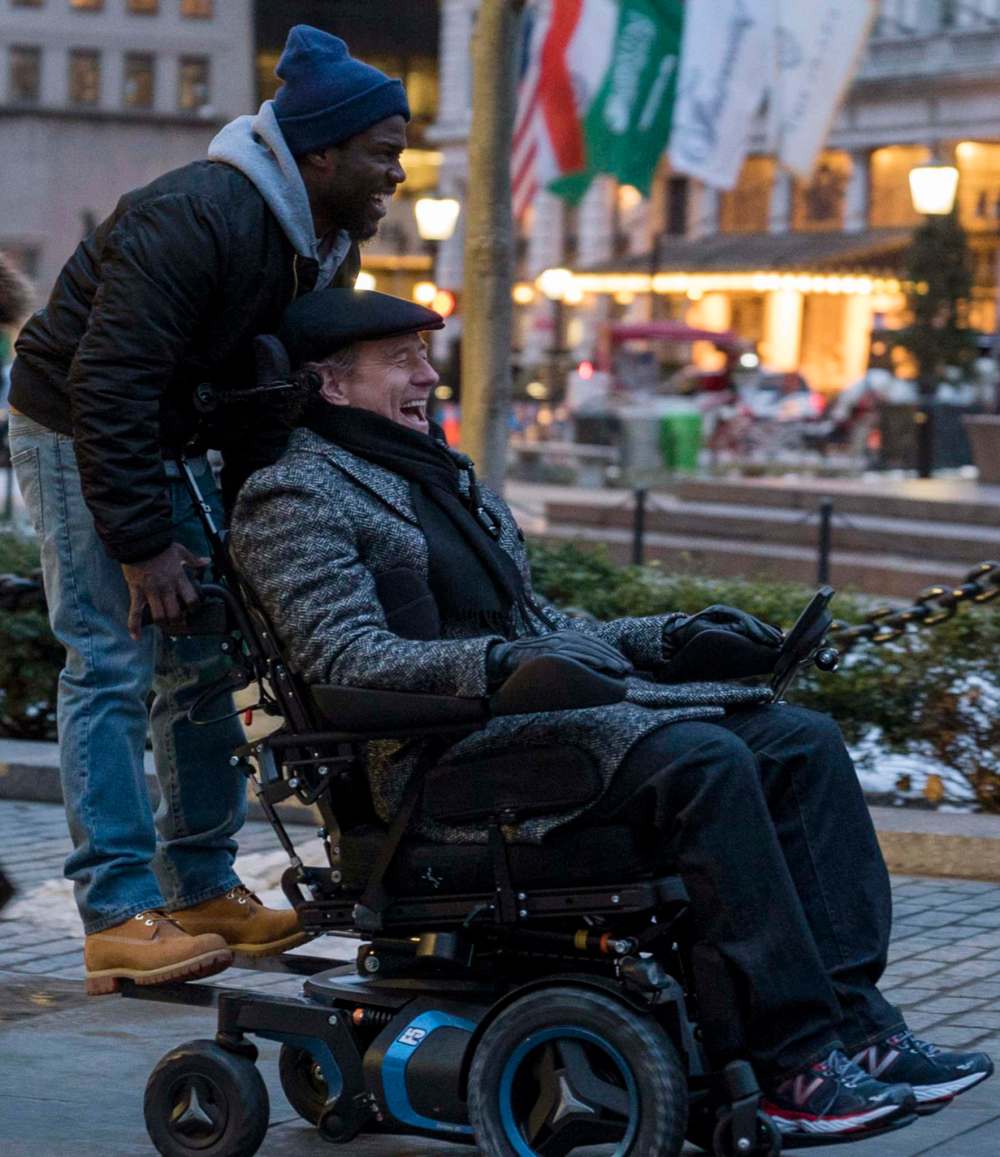
“As actors, we’re asked to be other people, to play other people,” he said during an interview with the Press Association, per Sky News and BBC. “If I, as a straight, older person, and I’m wealthy, I’m very fortunate, does that mean I can’t play a person who is not wealthy, does that mean I can’t play a homosexual?”
He continued: “Where does the restriction apply, where is the line for that?”
Despite defending his choice to portray a character who uses a wheelchair, Cranston acknowledged “the need to expand the opportunities for people with disabilities.”
There is a long history of able-bodied actors playing disabled characters in Hollywood, as recently as Dwayne “The Rock” Johnson in Skyscraper, Sally Hawkins in The Shape of Water, Jake Gyllenhaal in Stronger, Ansel Elgort in The Fault in Our Stars and Eddie Redmayne in The Theory of Everything, and as famously as Daniel Day-Lewis in My Left Foot and Gary Sinise in Forrest Gump.
Cranston’s casting did not go over well with some social media users who argued that he was taking away an opportunity that could have gone to an actor with a disability.
Twitter user @Mr_Craig pointed out that “such roles are the ONLY roles disabled actors would be considered for… yet we still aren’t.”
@DominickEvans, who identified as a wheelchair user, asked why Cranston can “play someone like me” when “disabled actors are not allowed to play nondisabled characters.”
Cranston told the Press Association that the criticism is all part of the job as an actor: “We live in the world of criticism. If we’re willing to get up and try something, we have to also be willing to take criticism.”
— USA Today