

Bringing new life to man’s greatest feat
Apollo 11 takes giant leap in stunning re-creation of 1969 moon landing

Advertisement
Read this article for free:
or
Already have an account? Log in here »
To continue reading, please subscribe:
Monthly Digital Subscription
$0 for the first 4 weeks*
- Enjoy unlimited reading on winnipegfreepress.com
- Read the E-Edition, our digital replica newspaper
- Access News Break, our award-winning app
- Play interactive puzzles
*No charge for 4 weeks then price increases to the regular rate of $19.95 plus GST every four weeks. Offer available to new and qualified returning subscribers only. Cancel any time.
Monthly Digital Subscription
$4.99/week*
- Enjoy unlimited reading on winnipegfreepress.com
- Read the E-Edition, our digital replica newspaper
- Access News Break, our award-winning app
- Play interactive puzzles
*Billed as $19.95 plus GST every four weeks. Cancel any time.
To continue reading, please subscribe:
Add Free Press access to your Brandon Sun subscription for only an additional
$1 for the first 4 weeks*
*Your next subscription payment will increase by $1.00 and you will be charged $16.99 plus GST for four weeks. After four weeks, your payment will increase to $23.99 plus GST every four weeks.
Read unlimited articles for free today:
or
Already have an account? Log in here »
Hey there, time traveller!
This article was published 08/03/2019 (2497 days ago), so information in it may no longer be current.
The trials of putting a man on the moon have been documented in so many films, the whole series of events almost feels fictional.
From Ron Howard’s Apollo 13 to Theodore Melfi’s Hidden Figures to Damien Chazelle’s First Man, we’ve seen the tiers of bespectacled men in their white shirts and dark ties, sitting in front of their ancient computers or doing longhand calculations; the clean-cut astronauts in their fishbowl helmets; the slow-motion moment of liftoff at Cape Canaveral.
So the new documentary Apollo 11, timed to coincide with the 50th anniversary of the moon landing on July 20, 1969, has a daunting task in front of it: to make the non-dramatized facts of an iconic historical event feel fresh and worthwhile.
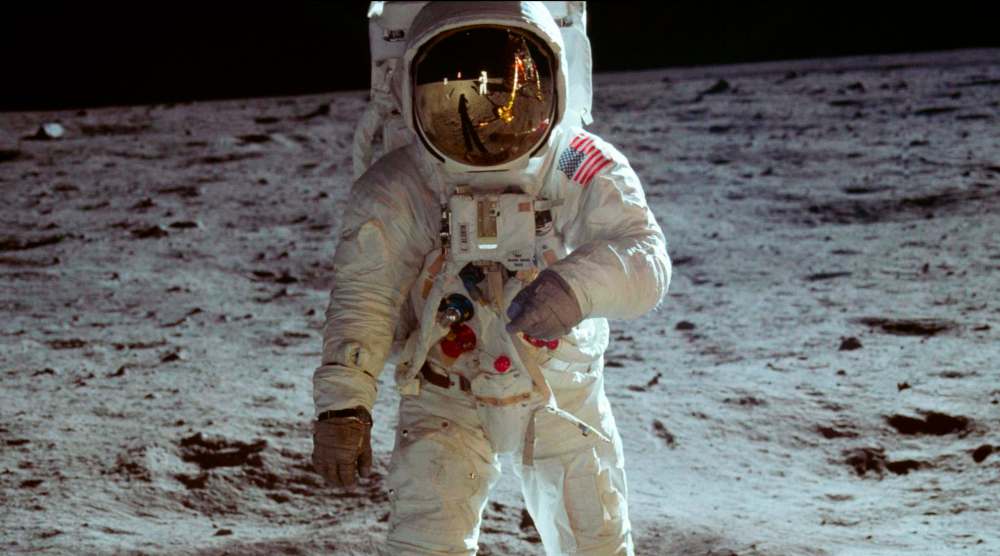
Space nerds in particular will delight in the stirring result of director Todd Douglas Miller’s efforts. Assembled from audio recordings and archival footage (which includes reams of previously forgotten 70-mm film documenting the launch, the recovery and the crowds that thronged Florida to watch history being made), the movie brings new life to the seminal moment and reminds us of its relevance.
Even familiar footage is crisper and more vivid, the vistas more stunning (the film demands to be seen in theatres; it’s unfortunate that it’s not being shown on Imax screens in Winnipeg, as it is elsewhere).
There are no talking heads or voice-overs, other than news anchor Walter Cronkite’s original live broadcasts on CBS and a recording of U.S. president John F. Kennedy’s 1962 “moon speech” at Rice University in Houston. The eight days from launch to recovery are condensed, but still feel epic, with footage of Neil Armstrong, Edwin (Buzz) Aldrin and Michael Collins that resemble home movies, with the three astronauts listening to music or shaving in zero gravity, or waving happily as they’re shuttled off to quarantine after splashing down in the Pacific, just three kilometres off course.
It’s moving and often awe-inspiring, as it reminds us anew of the herculean task that was accomplished with resources that today seem so limited (in his speech, Kennedy refers to the rockets as being put together with “more precision than the finest watch,” which sounds unbearably quaint). Look again at the Eagle, which seems so flimsy, as if it were assembled out of tinfoil and pipe cleaners, and yet was landed without incident in the Sea of Tranquility, and then reunited with the Columbia command module in the moon’s orbit, thanks to thousands of calculations back on Earth.

The only real concession to beefing up the drama is some suspenseful music when the crew is attempting tricky manoeuvres.
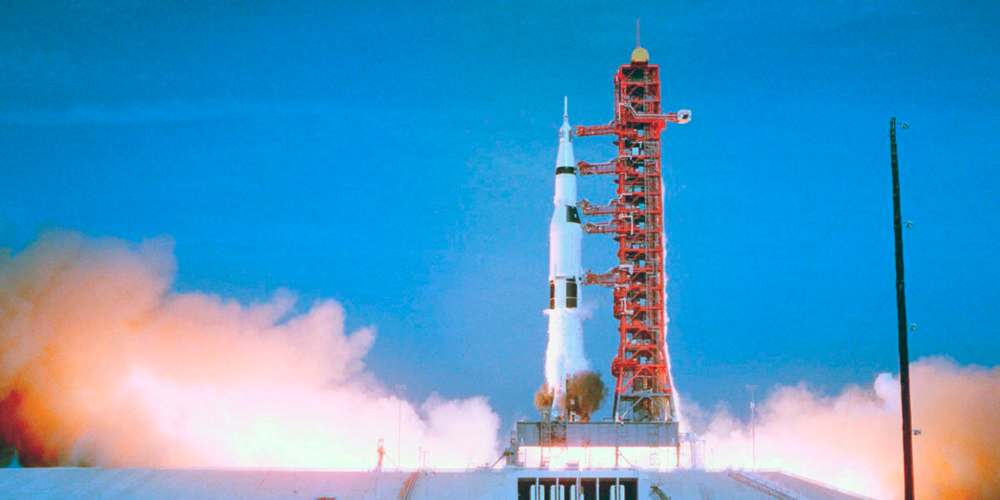
Yet Apollo 11 can put a lump in your throat, not just in its reminder of an incredible feat of science and engineering, but in its inadvertent nostalgia for a time when world leaders advocated for projects that advanced the course of science and brought people together, instead of projects that erect walls, figurative and literal, intended to separate us.
Indeed, some of the most striking shots are of the crowds — well-coiffed women in their cat-eye sunglasses, men in shirt sleeves and hats filming on Super 8, teenagers camped out on the beach or tanning on the tops of cars awaiting the launch. It’s almost impossible to imagine an event that would attract such a wide swath of humanity today — a group assembled not in protest, but in support of the spirit of endeavour.
jill.wilson@freepress.mb.ca
Twitter: @dedaumier
Jill Wilson is the editor of the Arts & Life section. A born and bred Winnipegger, she graduated from the University of Winnipeg and worked at Stylus magazine, the Winnipeg Sun and Uptown before joining the Free Press in 2003. Read more about Jill.
Jill oversees the team that publishes news and analysis about art, entertainment and culture in Manitoba. It’s part of the Free Press‘s tradition, since 1872, of producing reliable independent journalism. Read more about Free Press’s history and mandate, and learn how our newsroom operates.
Our newsroom depends on a growing audience of readers to power our journalism. If you are not a paid reader, please consider becoming a subscriber.
Our newsroom depends on its audience of readers to power our journalism. Thank you for your support.
Movie review
Apollo 11
Directed by Todd Douglas Miller
Polo Park
133 minutes
G
4 stars out of five
Jill Wilson is the editor of the Arts & Life section. A born and bred Winnipegger, she graduated from the University of Winnipeg and worked at Stylus magazine, the Winnipeg Sun and Uptown before joining the Free Press in 2003. Read more about Jill.
Jill oversees the team that publishes news and analysis about art, entertainment and culture in Manitoba. It’s part of the Free Press‘s tradition, since 1872, of producing reliable independent journalism. Read more about Free Press’s history and mandate, and learn how our newsroom operates.
Our newsroom depends on a growing audience of readers to power our journalism. If you are not a paid reader, please consider becoming a subscriber.
Our newsroom depends on its audience of readers to power our journalism. Thank you for your support.
Advertisement Advertise With Us
Advertisement Advertise With Us