

String theories
Folk-popster Make Berube moves into orchestral territory

Advertisement
Read this article for free:
or
Already have an account? Log in here »
To continue reading, please subscribe:
Digital Subscription
One year of digital access for only $75*
- Enjoy unlimited reading on winnipegfreepress.com
- Read the E-Edition, our digital replica newspaper
- Access News Break, our award-winning app
- Play interactive puzzles
*Billed as $5.77 plus GST every four weeks. After 52 weeks, price increases to the regular rate of $19.95 plus GST every four weeks. Offer available to new and qualified returning subscribers only. Cancel any time.
Monthly Digital Subscription
$4.99/week*
- Enjoy unlimited reading on winnipegfreepress.com
- Read the E-Edition, our digital replica newspaper
- Access News Break, our award-winning app
- Play interactive puzzles
*Billed as $19.95 plus GST every four weeks. Cancel any time.
To continue reading, please subscribe:
Add Free Press access to your Brandon Sun subscription for only an additional
$1 for the first 4 weeks*
- Enjoy unlimited reading on winnipegfreepress.com
- Read the E-Edition, our digital replica newspaper
- Access News Break, our award-winning app
- Play interactive puzzles
*Your next Brandon Sun subscription payment will increase by $1.00 and you will be charged $17.95 plus GST for four weeks. After four weeks, your payment will increase to $24.95 plus GST every four weeks.
Read unlimited articles for free today:
or
Already have an account? Log in here »
Hey there, time traveller!
This article was published 20/02/2014 (4474 days ago), so information in it may no longer be current.
When it came time to make a new record, Mark Berube felt the pull to do something different. Radically different.
His latest album, 2013’s Russian Dolls, sees the Montreal singer/songwriter eschew his stripped-down (and easily portable) folk-pop for lush, textured orchestral soundscapes crafted from a swirling mix of cello, autoharp, saw, synth, marimbas and piano. And reverb. Lots of reverb.
“With the last album (2011’s June in Siberia), we went for something very live off the floor — like an old jazz album,” says the Brandon native on the line from Montreal. “What you hear in the album is exactly what you get — at the show, too.

“This time, we didn’t even think about the show. We wanted to experiment with different sounds and colours. We wanted to try something different. We did the indie-folk pop thing for a lot of years. It was time.”
Berube had a couple co-conspirators who helped him make his hard, but welcome, creative left turn. Russian Dolls was recorded and produced by the Besnard Lakes’ Jace Lasek, who runs Montreal’s famed Breakglass Studio, a room that has yielded albums by the likes of Young Galaxy, Suuns, Wolf Parade, Land of Talk and more.
“Jace is amazing to work with. He’s a very cool guy. He’s efficient and accurate, but he’s got an emotional intelligence that’s pretty impressive,” Berube says.
The other piece of the puzzle is cellist Kristina Koropecki, who has a master’s degree in performance cello from McGill.
“She started playing with me in 2008. Over the years we’ve had members who have come and gone, but we’ve forged this dynamic duo that works,” Berube says. (Longtime fans will notice that Berube has dropped the band name “and the Patriotic Few” and released Russian Dolls under his own name.)
Indeed, they’re incredibly strong as a twosome: not only does Koropecki’s classical vocabulary add a different voice to the album, her skill set beautifully complements Berube’s idiosyncratic musical background, which is informed by everything from spoken word to South African folk music.
For Russian Dolls, Berube was inspired by forward-thinking fringe-folk acts such as Grizzly Bear and the Tallest Man on Earth, but also the work of piano dynamo Gonzales.
“Lyrically, I try to make the domestic universal,” he says.
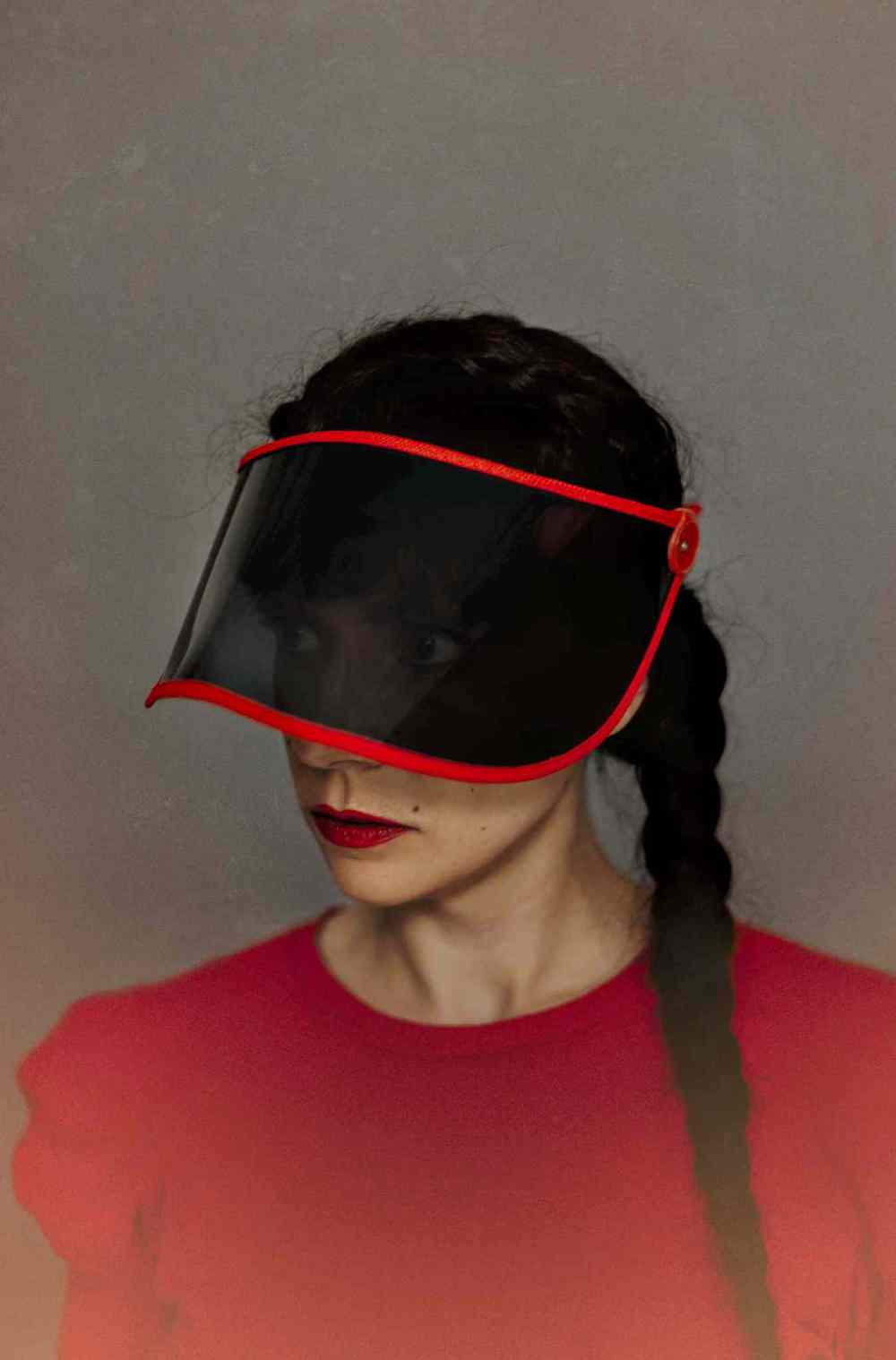

Berube says the 11 songs that make up the album are among the strongest he’s ever written, but admits he was initially unsure about the direction they took in the studio.
“But all change is uncomfortable and I think we took these songs to another level from their skeletal forms,” he says.
Although Berube and Koropecki had to drop $4,000 on new instruments to be able to bring the album’s soundscapes to the stage, the departure was well worth it. Russian Dolls has inspired Berube to keep pushing his sound forward.
“I feel like the doors have been blown open quite a bit.”
jen.zoratti@freepress.mb.ca
Jen Zoratti is a columnist and feature writer working in the Arts & Life department, as well as the author of the weekly newsletter NEXT. A National Newspaper Award finalist for arts and entertainment writing, Jen is a graduate of the Creative Communications program at RRC Polytech and was a music writer before joining the Free Press in 2013. Read more about Jen.
Every piece of reporting Jen produces is reviewed by an editing team before it is posted online or published in print – part of the Free Press‘s tradition, since 1872, of producing reliable independent journalism. Read more about Free Press’s history and mandate, and learn how our newsroom operates.
Our newsroom depends on a growing audience of readers to power our journalism. If you are not a paid reader, please consider becoming a subscriber.
Our newsroom depends on its audience of readers to power our journalism. Thank you for your support.
CONCERT PREVIEW
Mark Berube
West End Cultural Centre
óè Feb. 21, 8 p.m.
óè Tickets: $18.25 at Ticketmaster
Jen Zoratti is a columnist and feature writer working in the Arts & Life department, as well as the author of the weekly newsletter NEXT. A National Newspaper Award finalist for arts and entertainment writing, Jen is a graduate of the Creative Communications program at RRC Polytech and was a music writer before joining the Free Press in 2013. Read more about Jen.
Every piece of reporting Jen produces is reviewed by an editing team before it is posted online or published in print – part of the Free Press‘s tradition, since 1872, of producing reliable independent journalism. Read more about Free Press’s history and mandate, and learn how our newsroom operates.
Our newsroom depends on a growing audience of readers to power our journalism. If you are not a paid reader, please consider becoming a subscriber.
Our newsroom depends on its audience of readers to power our journalism. Thank you for your support.
Advertisement Advertise With Us
Advertisement Advertise With Us