Stuff you may not know about Juno
Homespun affair has evolved into glitzy national celebration
Advertisement
Read this article for free:
or
Already have an account? Log in here »
To continue reading, please subscribe:

Digital Subscription
One year of digital access for only $205*
- Enjoy unlimited reading on winnipegfreepress.com
- Read the E-Edition, our digital replica newspaper
- Access News Break, our award-winning app
- Play interactive puzzles
*First annual payment billed as $205.00 + GST for one year. This annual subscription will automatically renew at $233.00 + GST every 52 weeks (10% off the regular annual price of $259.35). Offer available to new and qualified returning subscribers only. Cancel any time.
To continue reading, please subscribe:
Add Free Press access to your Brandon Sun subscription for only an additional
$1 for the first 4 weeks*
- Enjoy unlimited reading on winnipegfreepress.com
- Read the E-Edition, our digital replica newspaper
- Access News Break, our award-winning app
- Play interactive puzzles
*Your next Brandon Sun subscription payment will increase by $1.00 and you will be charged $17.95 plus GST for four weeks. After four weeks, your payment will increase to $24.95 plus GST every four weeks.
Read unlimited articles for free today:
or
Already have an account? Log in here »
Hey there, time traveller!
This article was published 30/03/2014 (4553 days ago), so information in it may no longer be current.
Tonight Winnipeg will play host to the Juno Awards for the second time in the annual Canadian music industry soiree’s 43-year history. It promises to be a gala affair with plenty of glitz, glamour and red carpet.
But it wasn’t always so. The origins of the modern Juno Awards began in 1964, when RPM Weekly, Canada’s lone music industry journal, issued year-end poll results based on votes by subscribers. Vancouver-born teen sensation Terry Black (Unless You Care) was voted Top Male Artist that year with Toronto’s Shirley Matthews (Big Town Boy) anointed as Best Female Vocalist. The Esquires from Ottawa were named Top Vocal/Instrumental Group. There was no ceremony, just a list on the front page of the final December issue. The following year, Winnipeg’s Guess Who won Top Vocal/Instrumental Group after scoring a national hit with Shakin’ All Over. Bobby Curtola and Catherine MacKinnon took Top Male and Female honours respectively.
This practice continued until 1970, when the RPM Gold Leaf Awards were introduced and a ceremony held at St. Lawrence Hall in Toronto. Winners were presented with a wooden statuette in the shape of a metronome. Two hundred and fifty music industry insiders attended and were served cookies baked by the wife of one of the organizers. The Guess Who once again took top-group honours, while ex-Winnipegger Terry Jacks’ Poppy Family nabbed single and album of the year for Which Way You Goin’ Billy. Voting was expanded to a wider swath of music-industry insiders. The following year the RPM Gold Leaf Awards were renamed the Juno Awards after Pierre Juneau, head of the CRTC (Canadian Radio-television and Telecommunications Commission) who introduced controversial Canadian-content regulations for Canadian radio. Anne Murray and Gordon Lightfoot began their lengthy Junos reign that year while the Guess Who scooped up their one and only Juno (the Stampeders beat them out the next year). The next year, Winnipegger Joey Gregorash walked off with the Outstanding Male Performer (1971) for his hit cover of Neil Young’s Down by the River.
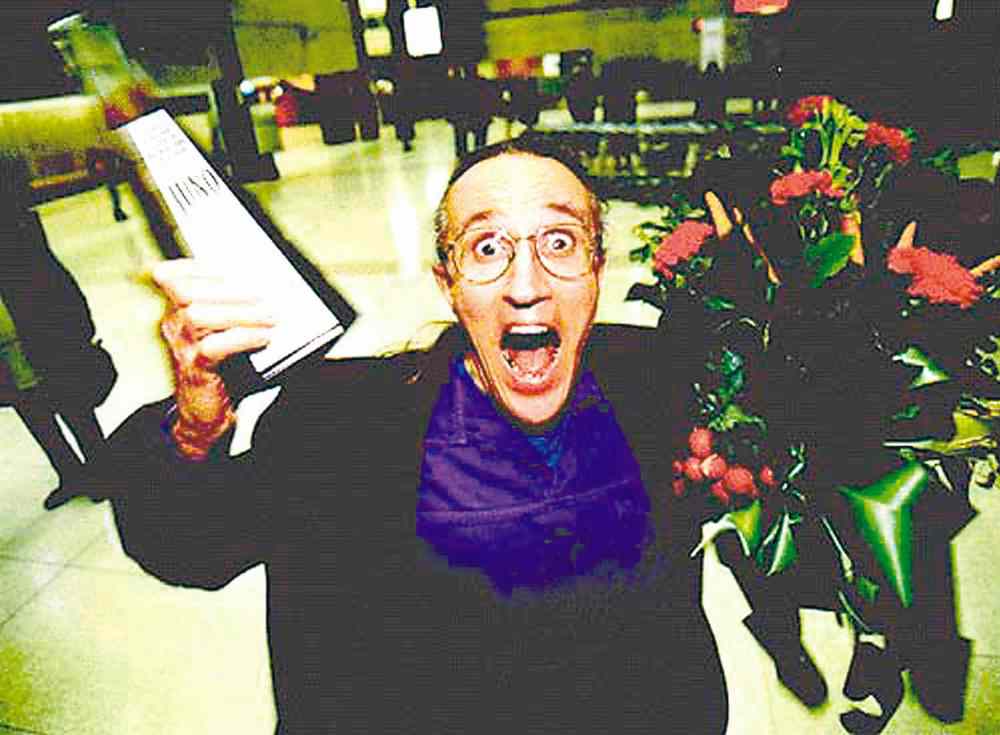
Over the next eight years Bachman-Turner Overdrive and Burton Cummings would each take home multiple Junos (Randy Bachman would also win Best Record Producer honours), with Cummings hosting the event for several years. Local singer/songwriter Graham Shaw picked up Most Promising Male Artist in 1981 for his hit Can I Come Near. In a rare tie, Fred Penner and Connie Kaldor both took home 1989’s Children’s Album of the Year although Penner returned for another Juno in 2003 for Sing With Fred. The quirky Superman’s Song earned the Crash Test Dummies 1991’s Group of the Year. The Contemporary Christian/Gospel award has been won by Manitobans Steve Bell (1998 and 2001) and Amanda Falk (2006) while Eagle & Hawk (2002) and Burnt Project 1 (2006) have both earned aboriginal album honours. Brandon violin virtuoso James Ehnes won Best Classical Album in 2001.
The event itself kept moving to larger Toronto digs, the O’Keefe Centre and the Hilton Harbour Castle Hotel becoming the most frequent venues. The first televised Junos ceremony, in 1975, was held at Toronto’s Queen Elizabeth Theatre.
My wife and I attended the 1996 Juno Awards on the occasion of Steppenwolf leader John Kay’s induction into the Canadian Music Hall of Fame. Having written Kay’s biography, Magic Carpet Ride, we were his special guests. The Hall of Fame was playing catch-up that year, inducting five artists, including Kay, David Clayton Thomas of Blood, Sweat & Tears fame, the Lovin’ Spoonful’s Zal Yanovsky, one-time Guess Who guitarist Domenic Troiano, and the Mamas & Papas’ Denny Doherty. Their inductions took place the night before at a gala dinner at the Metro Toronto Convention Centre, where we were seated with Kay and his wife, Jutta, plus Buffy Sainte-Marie, there to induct him. The host for the event was Burton Cummings, and each inductee delighted the crowd with a short music set. Ronnie Hawkins, seated at the next table to us, spent much of the evening turned to our table telling raunchy jokes. I chatted with Robbie Robertson seated with Hawkins.
At one point, Shania Twain, whose career was on the ascent, popped by the table to introduce herself. We hobnobbed with the likes of Michelle Phillips of the Mamas & Papas and the Lovin’ Spoonful’s John Sebastian that evening.
The following night, my wife and I were transported by limousine to Copps Coliseum in Hamilton for the televised portion of the Junos. Anne Murray was host, and musical performances from her, Gordon Lightfoot and k.d. lang highlighted the evening. Local boy Al Simmons took home Best Children’s album that year for Celery Stalks at Night. Alanis Morissette claimed the big prizes for Jagged Little Pill.
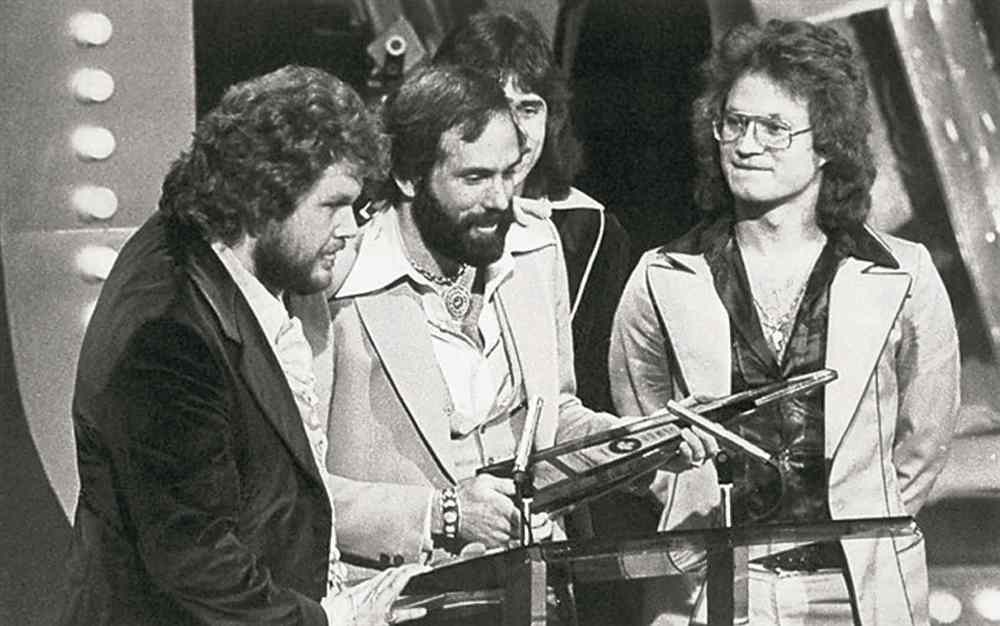

It would be 20 years before the Junos ventured beyond southern Ontario, with Vancouver hosting in 1991 (and again in 1998). At the time, there was some concern voiced that the Toronto-based music industry minions would not deign to travel to Canada’s boonies. The event became the travelling road show it is now in 2002 after St. John’s, N.L., served as the host city. Winnipeg’s first kick at the can came in 2005 and the city was set to party with an appearance by one-time Winnipegger Neil Young, only to have hopes dashed after Young was hospitalized just days beforehand with a brain aneurysm. Young had only ever graced a Juno stage once, in 1982 for his Hall of Fame induction.
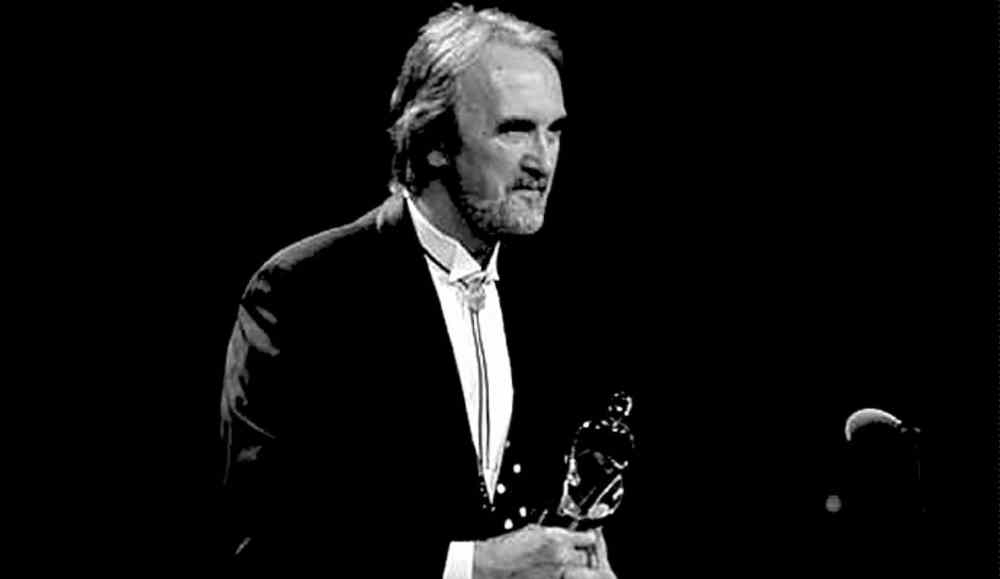
The glitz factor was upped considerably after CTV replaced CBC as Junos broadcaster in 2002, packaging the once homespun, sometimes off-the-cuff and gaff-ridden Canadian event (in 1981 Ronnie Hawkins, driven onstage in a Rolls Royce, ripped his pants trying to get out of the car when the door wouldn’t open; Leonard Cohen winning Best Male Vocalist) into a Academy Award-like production complete with pre-show red carpet. The event has in recent years become more of a music showcase for current Canadian talent, with as many live performances as awards doled out. Even the wooden metronome has been replaced by an artsy cut glass statuette.
Nonetheless, much like the Canadian music industry itself, the Juno Awards have evolved from humble regional roots to become a glittering national celebration of world-class music by Canadian artists.
Sign up for John Einarson’s summer Off the Record courses at mcnallyrobinson.com.