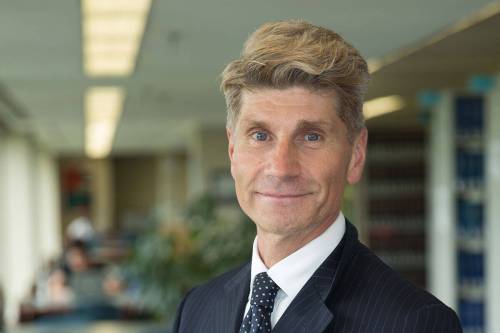
WSO honours cosmopolitan composers
Season-ending show swings with Gershwin, Ravel works
Advertisement
Read this article for free:
or
Already have an account? Log in here »
To continue reading, please subscribe:
Digital Subscription
One year of digital access for only $1.44 a week*
- Enjoy unlimited reading on winnipegfreepress.com
- Read the E-Edition, our digital replica newspaper
- Access News Break, our award-winning app
- Play interactive puzzles
*Billed as $5.77 plus GST every four weeks. After 52 weeks, price increases to the regular rate of $19.95 plus GST every four weeks. Offer available to new and qualified returning subscribers only. Cancel any time.
To continue reading, please subscribe:
Add Free Press access to your Brandon Sun subscription for only an additional
$1 for the first 4 weeks*
- Enjoy unlimited reading on winnipegfreepress.com
- Read the E-Edition, our digital replica newspaper
- Access News Break, our award-winning app
- Play interactive puzzles
*Your next Brandon Sun subscription payment will increase by $1.00 and you will be charged $17.95 plus GST for four weeks. After four weeks, your payment will increase to $24.95 plus GST every four weeks.
Read unlimited articles for free today:
or
Already have an account? Log in here »
Hey there, time traveller!
This article was published 12/05/2024 (891 days ago), so information in it may no longer be current.
The Winnipeg Symphony Orchestra presented a tale of two cities with its final offering of the season, Gershwin and Ravel, whisking 2,122 listeners from the hot jazz clubs of New York to the bustling streets of ooh-la-la Paris, highlighting the unique relationship between these two musical mavericks.
Concert Review
Saturday Classics: Gershwin and Ravel
Winnipeg Symphony Orchestra
Centennial Concert Hall
Saturday, May 11
Attendance: 2,122
Four and a half stars out of five
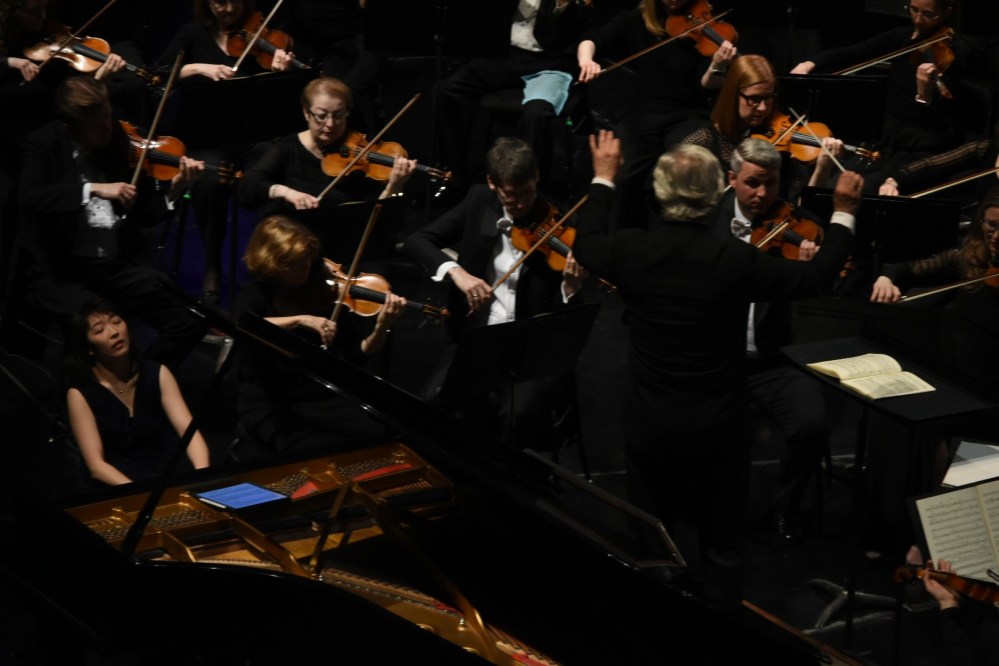
The Saturday Classics program led by Daniel Raiskin also featured the auspicious WSO debut of internationally acclaimed pianist Claire Huangci. The multi-award-winning American dynamo had originally been booked to appear in 2021, with her concert abruptly cancelled as COVID-19 ravaged the world. Witnessing her fierce artistry this weekend proved well worth the wait.
The soloist immediately displayed her bravura in the first of two works: Ravel’s Piano Concerto in G major, which launches with a dramatic whipcrack in the percussion section, soon followed by the first of her many perfectly executed, knuckle-busting glissandi in the piano.
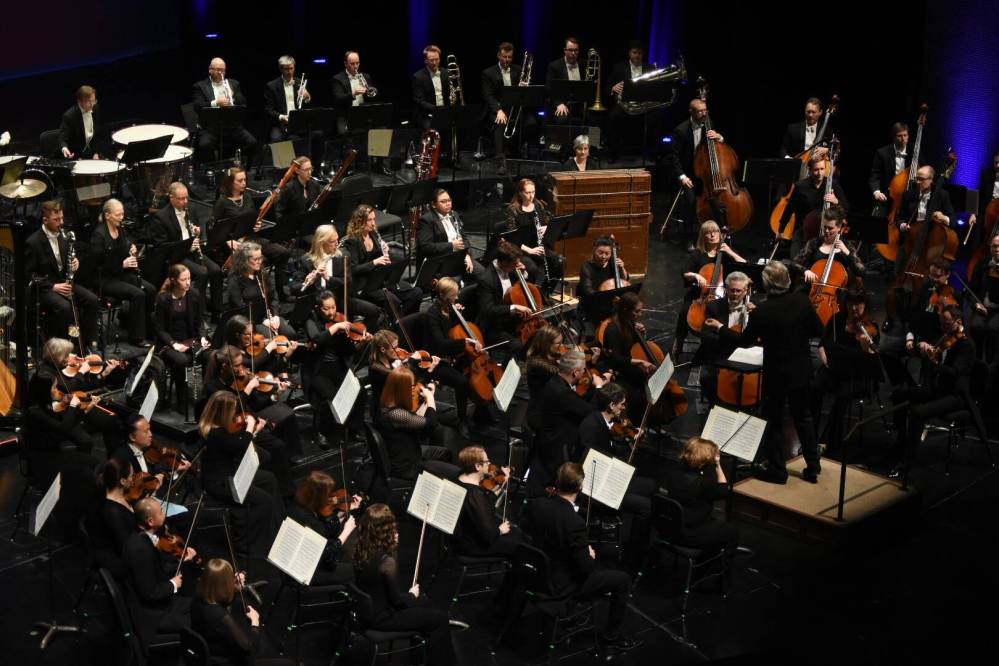
Huangci took full command of her instrument while showing off her palette of tonal colours, gracefully shaping each lyrical phrase throughout the opening Allegramente. A few initial moments in which soloist and orchestra did not fully mesh resolved quickly, and did not mar the overall performance.
She then cast a spell during the luminous Adagio assai, which surely belongs on that list of music for the proverbial desert island. Raiskin proved a supportive partner throughout, leading the players with utmost sensitivity with the mesmerizing work also showcasing the WSO’s fine winds. Kudos to principal English horn Robin McMillan for her haunting solo reprise of the theme, now overlaid by Huangci’s delicate filigree in her uppermost register.
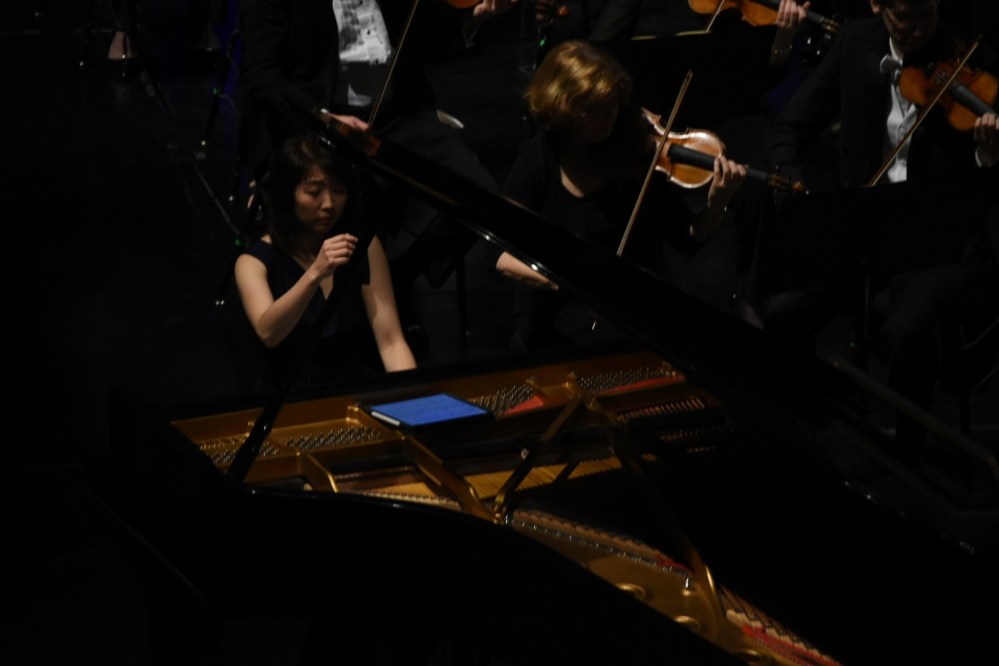
Then it was time for more pyrotechnics with the final Presto, which saw the pianist punching out rhythmic accents, neatly tossing off cross-handed passages, as well as blistering scalar runs, leading to a rousing standing ovation, with the soloist graciously applauding Raiskin and her musical colleagues afterwards.
It’s one of life’s mysteries why we haven’t heard Gershwin’s Piano Concerto in F performed on this stage since 2014. This enthralling work, fusing jazz influences with symphonic idiom, is one that should be played often.
After Raiskin set a brisk tempo for the extended orchestral tutti introduction to the opening Allegro, Huangci launched into her opening solo, infused with jazzy blue notes and insistent syncopated rhythms later echoed by the WSO players.
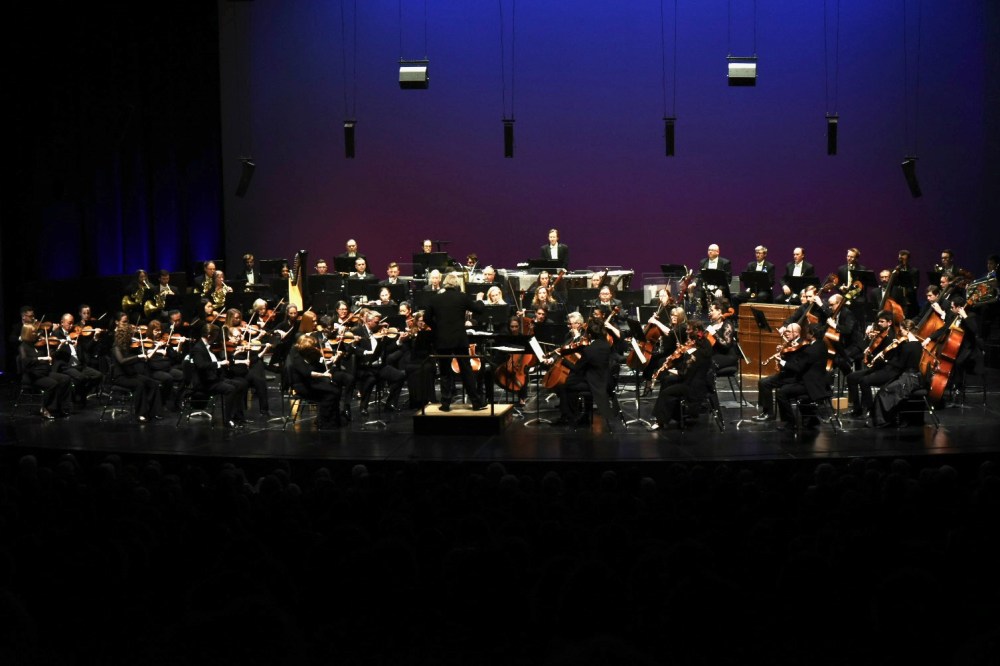
It’s rare for an audience to spontaneously erupt into loud applause and cheers between movements — usually there’s only a few hands clapping that nervously subside — but in this case, the soloist received mid-point accolades for her take-no-prisoners musicianship.
One must also sing the praises of principal trumpet Chris Fensom, who performed yeoman’s duty that night with numerous bluesy solos. This superlative player nailed each one, soaring up into his uppermost register with nerves of steel, while flexing his chops to the overall ethos that added much to the overall performance, including his world-weary opening solo during the Andante con moto.
The finale, Allegro agitato, burst out of the gate like a banshee, with Huangci further propelling the players forward with her driving rhythmic figures, while the maestro kept a taut rein on all forces throughout.
As expected, the crowd once again leapt to its feet at the end for her electrifying performance.
The 135-minute program (including intermission) opened with a sprightly performance of Lili Boulanger’s D’un matin de printemps, originally scored as a smaller chamber piece.
One grows wistful imagining the “what ifs” had Boulanger lived longer than her 24 years; unfortunately, she suffered from illness all her short life. Even her older sibling, the better-known Nadia Boulanger, declared her the superior composer.
In some ways, this program was arguably the most difficult of the season. Conservatory-trained, thoroughbred classical musicians are not typically accustomed to swinging hard, or pushing out the blues like world-weary jazz players ‘round midnight.
Gershwin’s American in Paris, a spirited tone poem teeming with joie de vivre — including bleats of taxi horns — captures the composer’s own real-life experiences in Paris; we heard not a brash youth bursting with the exuberance of no tomorrows, but a more elegantly refined gentleman strolling through the “arrondissements” of the City of Lights.
Having said that, kudos to Raiskin for skilfully navigating the roughly 20-minute work’s whipsaw, kaleidoscopic stylistic and tempo changes, as well as more compelling solos by principal clarinettist Micah Heilbrunn, principal tuba Justin Hickmott, and another by Fensom, who blew for all he’s worth.
Ravel’s Bolero — last performed here under this same maestro in 2015 — closed the program with a bang. This crowd-pleasing ear-worm, propelled by its hypnotic, rat-a-tat snare drum ostinato figure — performed a whopping 169 times by principal percussionist Andrew Johnson — is always a hit. The well-paced performance finally exploded into the dazzling flurry of Spanish heat created by this quintessentially French composer and received another expected ovation.
Bravo to Raiskin and the entire orchestra for another fine season of classical music-making, with much more to come this fall.
holly.harris@shaw.ca
Holly Harris writes about music for the Free Press Arts & Life department.
Our newsroom depends on a growing audience of readers to power our journalism. If you are not a paid reader, please consider becoming a subscriber.
Our newsroom depends on its audience of readers to power our journalism. Thank you for your support.
History
Updated on Sunday, May 12, 2024 10:40 PM CDT: Corrects typo
Updated on Monday, May 13, 2024 4:45 PM CDT: Adds photo credits