Holding their breath
Doc follows Canadian synchronized swimming team on hopeful road to Rio
Advertisement
Read this article for free:
or
Already have an account? Log in here »
To continue reading, please subscribe:

Digital Subscription
One year of digital access for only $205*
- Enjoy unlimited reading on winnipegfreepress.com
- Read the E-Edition, our digital replica newspaper
- Access News Break, our award-winning app
- Play interactive puzzles
*First annual payment billed as $205.00 + GST for one year. This annual subscription will automatically renew at $233.00 + GST every 52 weeks (10% off the regular annual price of $259.35). Offer available to new and qualified returning subscribers only. Cancel any time.
To continue reading, please subscribe:
Add Free Press access to your Brandon Sun subscription for only an additional
$1 for the first 4 weeks*
- Enjoy unlimited reading on winnipegfreepress.com
- Read the E-Edition, our digital replica newspaper
- Access News Break, our award-winning app
- Play interactive puzzles
*Your next Brandon Sun subscription payment will increase by $1.00 and you will be charged $17.95 plus GST for four weeks. After four weeks, your payment will increase to $24.95 plus GST every four weeks.
Read unlimited articles for free today:
or
Already have an account? Log in here »
Hey there, time traveller!
This article was published 04/08/2016 (3651 days ago), so information in it may no longer be current.
It’s a fascinating Olympic story that, sadly, won’t have its conclusion on the medal podium in Rio de Janeiro.
The new documentary Perfect offers viewers an inside look at a Canadian team’s quest to qualify for the Summer Olympics in Rio, following the athletes as they endure months of gruelling training and pre-Olympic qualification events only to fall short of the singular goal that has driven their efforts for the past four years.
That the sport in the film’s focus is synchronized swimming — an aquatic discipline whose more glittery aspects have often been mocked while its pure athletic difficulty has been ignored — does not diminish the effectiveness of the story.
https://www.youtube.com/watch?v=J5NaqYUqX64If anything, it makes the competitors’ dedication to their sport all the more admirable.
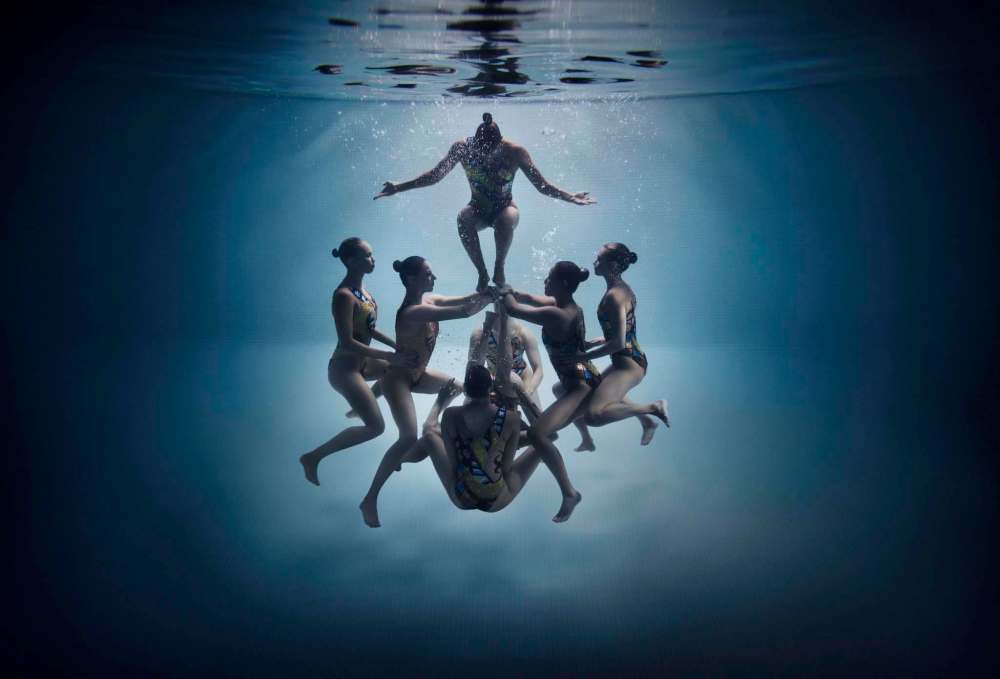
Perfect, which airs Thursday, Aug. 4, at 9 p.m. on CBC-TV’s Firsthand, follows the Canadian synchro team from its annual selection camp in Montreal, at which more than 60 swimmers compete for the 16 spots available on the Olympic-hopeful roster, to its final, frustrating effort to be part of Canada’s contingent in Rio.
Included in the training-camp group are many synchro veterans who were part of Canada’s gold-medal triumph at the 2015 Pan Am Games in Toronto — an accomplishment which, because of a peculiar twist in the sport’s Olympic qualification process, did not earn the Canadians a spot in the Rio event.
Normally, the Pan Am winner is automatically qualified for the next Olympics, but because host nation Brazil was given the Olympic spot reserved for the representative from the Americas, Canada was forced to re-enter the global qualification scramble in hopes of winning its way to the Summer Games.
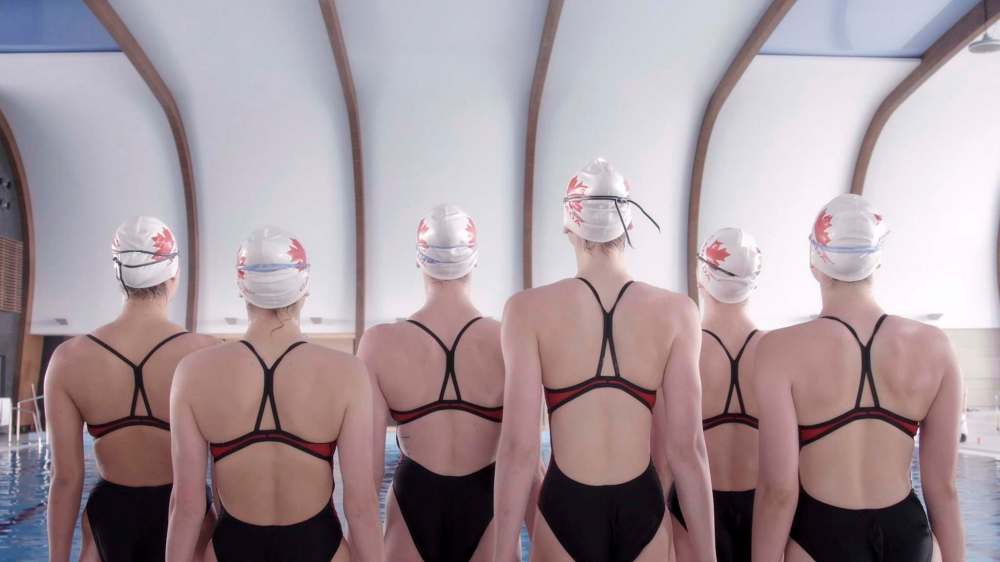
The young women on Canada’s team are fully aware that interest in, and support of, their sporting efforts is fleeting at best.
“Synchro is a sport that’s always going to be mocked, no matter what, because we give them the opportunity to do it to us,” says team member Claudia Holzner. “If we showed them what we do on a daily training basis, or what we do at a training camp leading up to our biggest competitions, they would think way differently.
“Synchro, to most people, seems quite easy — they see the smiles, the makeup, the hair gel, the flashy suits, (and) it’s kind of a joke to them. But it’s a really hard sport… It’s probably like running an Olympic-level 400-metre sprint while holding your breath. It’s what the top athletes do, plus no oxygen.”
In following the team through its ultimately unsuccessful year of preparation and competition, director Jérémie Battaglia offers a very revealing look at the pure physical difficulty of elite-level synchronized swimming. The training is unbelievably hard, and the injury toll the discipline takes on its athletes — from dislocated shoulders and knees to concussions to broken noses and torn muscles — places it firmly in the contact-sports category.
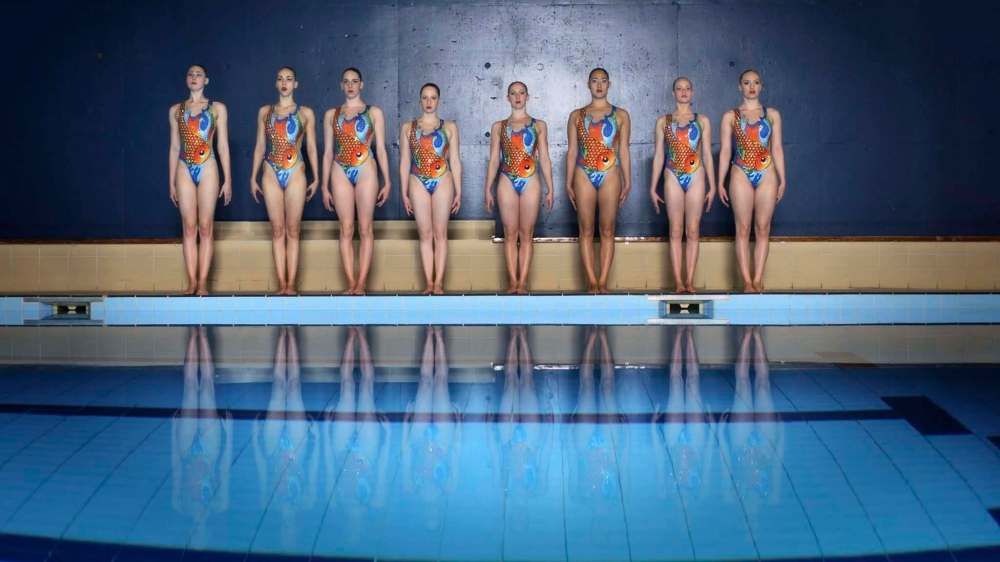

In addition to being physically challenging, however, synchro is also an artistic endeavour that relies on subjective judging to decide its winners and losers. And as Perfect’s year-long observation of Canada’s Rio-qualification pursuit continues, it becomes clear this country’s place in the world rankings is essentially decided long before the team hits the pool at the world championship in Kazan, Russia, and the subsequent Olympic test-event qualifier in Rio.
At both events, the Canadians earn best-ever high scores. And at both events, the competitors they need to pass in order to qualify receive ever-so-slightly higher numbers.
“I can’t say that we’re not good enough, because we are good enough,” a tearful Holzner offers after the fourth-place finish that ends Canada’s Olympic dream. “It’s just that I wish this sport wasn’t so political, and that we were given a proper chance to make it to where we deserve (to be).”
Canada will have representation in the synchro duet competition, with Karine Thomas and Jacqueline Simoneau wearing national-team colours.
brad.oswald@freepress.mb.caTwitter: @BradOswald
History
Updated on Thursday, August 4, 2016 10:04 AM CDT: Adds video