True crime on a major spree
Wave of dark shows marks genre's revival
Advertisement
Read this article for free:
or
Already have an account? Log in here »
To continue reading, please subscribe:

Digital Subscription
One year of digital access for only $205*
- Enjoy unlimited reading on winnipegfreepress.com
- Read the E-Edition, our digital replica newspaper
- Access News Break, our award-winning app
- Play interactive puzzles
*First annual payment billed as $205.00 + GST for one year. This annual subscription will automatically renew at $233.00 + GST every 52 weeks (10% off the regular annual price of $259.35). Offer available to new and qualified returning subscribers only. Cancel any time.
To continue reading, please subscribe:
Add Free Press access to your Brandon Sun subscription for only an additional
$1 for the first 4 weeks*
- Enjoy unlimited reading on winnipegfreepress.com
- Read the E-Edition, our digital replica newspaper
- Access News Break, our award-winning app
- Play interactive puzzles
*Your next Brandon Sun subscription payment will increase by $1.00 and you will be charged $17.95 plus GST for four weeks. After four weeks, your payment will increase to $24.95 plus GST every four weeks.
Read unlimited articles for free today:
or
Already have an account? Log in here »
Hey there, time traveller!
This article was published 18/09/2016 (3621 days ago), so information in it may no longer be current.
Miniseries, game shows, Winona Ryder — true crime is just the latest genre resurrected by the ever-increasing powers of television.
And the shows now emerging may be the most troubling and important yet.
Long dismissed as exploitational and, in some cases, pornographic pulp, the genre that fed our guilty fascination with Charles Manson, the Black Dahlia and the alarming number of “nice, normal” men who kill their wives/girlfriends/fiancées is suddenly being taken seriously.
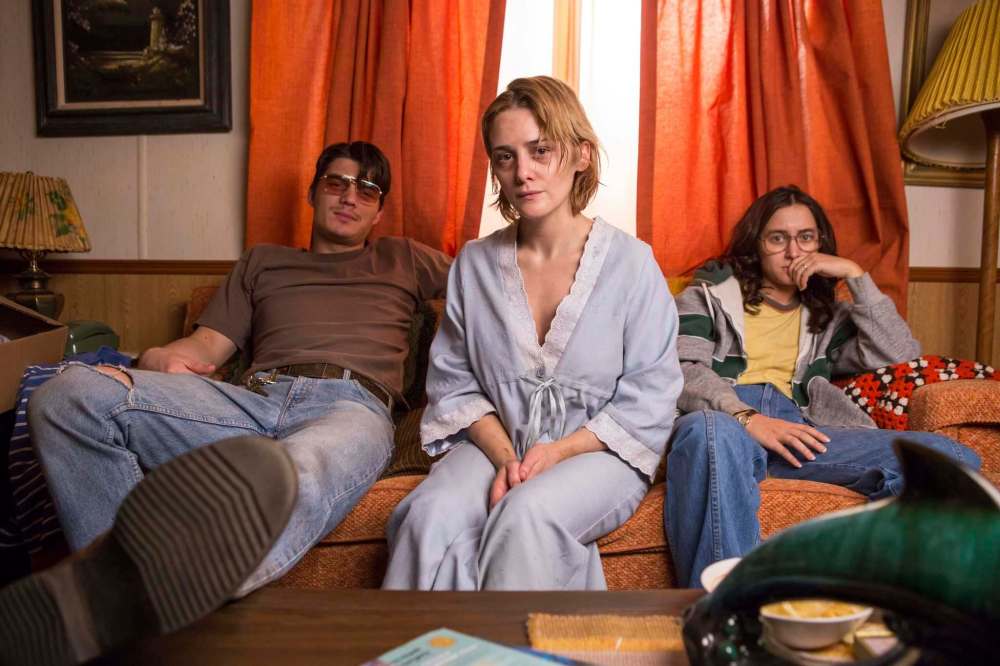
The success of the podcast Serial, the FX drama The People v. O.J. Simpson: American Crime Story and multiple docu-series, including The Jinx: The Life and Deaths of Robert Durst (HBO) and Making a Murderer (Netflix), have raised true crime from the lowbrow populism of Forensic Files, Homicide Hunter and Dateline.
Not content with the increasing darkness and moral ambivalence of scripted crime drama, television writers and audiences began going straight to the source.
Not since Truman Capote wrote In Cold Blood has non-fictional brutality been the centre of so much artistic treatment, used as a fulcrum for our need for authenticity and social awareness — and our desire to be entertained.
No one understands this better than Lifetime. The network has taken a lot of abuse for its “based on real events” films, but Lifetime was exploring the killing of heiress Anne Scripps long before FX’s rise and aired The Capture of the Green River Killer starring Tom Cavanagh when Netflix was still supported by DVDs.
Now Lifetime is airing not one but two versions of the truly horrific events suffered by Colleen Stan. Thirty years ago, while hitchhiking in Red Bluff, Calif., the then-20-year-old was abducted by Cameron and Janice Hooker. Cameron proceeded to systematically beat, rape and torture Stan until she “agreed” to be the couple’s slave. For the better part of seven years, Stan was held in various forms of extreme confinement. When she escaped, and Cameron’s arrest made her ordeal public, she became known as, God help us, “the girl in the box.”
Girl in the Box is, in fact, the title of the scripted film and the subtitle of a two-part documentary. Although it embodies the biggest problem with true-crime drama — the victims are most often women who often suffer terribly — in both cases, Stan’s story is told with dignity and respect. Though the terrible details cannot, and should not, be diminished, both versions avoid salaciousness and emphasize Stan’s remarkable ability to survive; she is a large presence in the documentary.
Even so, Girl in the Box is just about as ghastly a true-crime tale as there is, reminding us, as the genre loves to do, that fiction can only dimly reflect the actual depths of human depravity.
It’s also a fitting start to television’s upcoming spree of ripped-from-the-headlines (and history books) horrors.
CBS launches an examination of the JonBenet Ramsey murder investigation that debuts tonight and concludes Monday; TNT is working on an adaptation of the book Finding Chandra, about the disappearance of D.C. intern Chandra Levy; and the latest Law & Order spinoff, subtitled True Crime, will debut with a look at the Menendez brothers murder case.
Ironically, Lifetime had recently begun distancing itself from the genre it kept alive for so many years. As the network struggled to find a foothold in the new ’n’ glorious age of television, it focused more on its reality programming (Dance Moms, the Little Women franchise), impact dramas (the Flowers in the Attic films, a Lizzie Borden miniseries) and a select slate of scripted series, including the hot and Emmy-nominated UnReal.
Meanwhile, the rest of television suddenly decided true crime was not hackneyed, it was haute.
Or maybe not so suddenly. The rise of true crime is, in fact, a natural extension of an increasingly dark and more jaded view of crime shows in general.
As in popular fiction, crime is a pillar of American television. From Stu Bailey of 77 Sunset Strip to the geek squad of Scorpion, mystery-solving has long been the modern morality play.
Week after week, on show after show, the sanctity of everyday life is threatened with varying degrees of gore for no immediately discernible reason. People, and the social fabric, are endangered until a detective or team appears, assembling the clues in time to prevent the next crime, expose the criminal and bring him or her to justice.
Catharsis provided with minimal emotional risk. Yes, the prevalence of half-naked and often sexually abused female corpses could be problematic, but they were, after all, fictional. The stuff of enraged commentary perhaps, but not nightmares.
As antiheroes began dominating dramas, though, a gloomier view of justice prevailed. Far from the monochromatic morality of Dragnet or even the wry world view of Columbo, modern crime dramas increasingly focused less on the reassuring establishment of justice and more on the backstory of the criminal, the corruption of law enforcement, the imperfection of the justice system or all of them together.
When Dexter became the Robin Hood of serial killers, justice took on a new and very elastic definition.
In this darker environment, stories of investigations gone wrong, or cold, with no promise of righteous resolution broadened the crime story from clever cosies to high-wire character drama. Though many traditional procedurals remain popular, the post-Dexter school of murder mystery eschews the classic moment of closure — in which the detective explains the crime and apprehends the perpetrator — in favour of ambivalence, failure or a sideways view of morality.
The next logical step, then, was to explore this new unsettling and unsentimental view of the crime narrative with real cases. Serial, The Jinx and Making a Murderer all began as attempts to right a wrong, to sift through the information one more time in search of the truth. The authenticity, and feel of personal engagement, took crime-solving to a new level — the final moments of The Jinx appeared to capture its subject confessing, leading eventually to his arrest; Making a Murderer brought attention to police tactics that led to the overturning of a conviction for one of the alleged murderers.
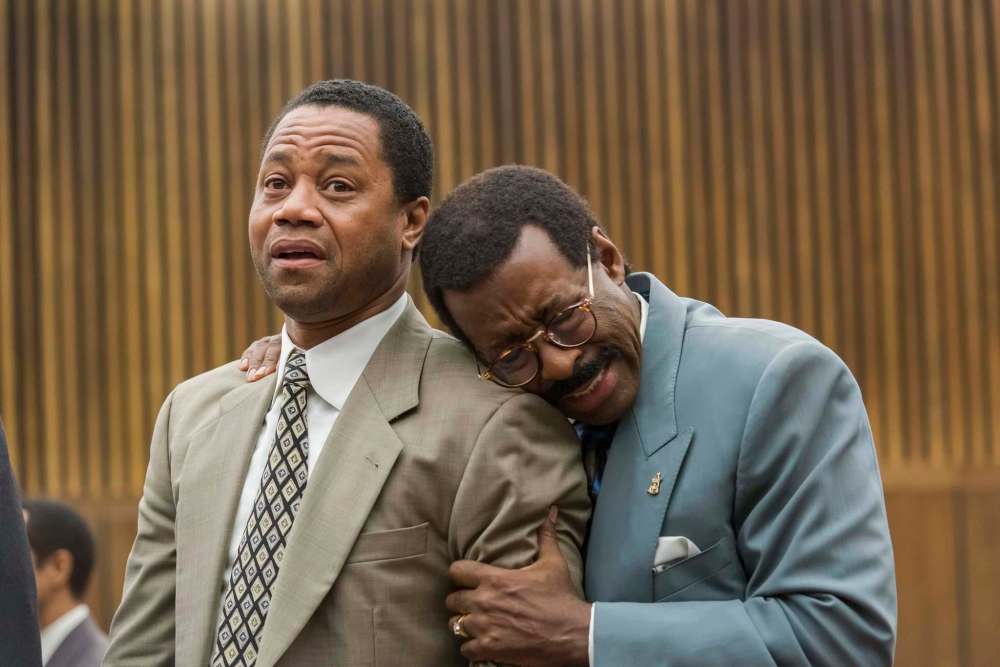
Meanwhile, dramatic interpretations of true crime, such as The People v. O.J. Simpson: American Crime Story, did the opposite, turning history into myth with cinematic portraiture.

By airing two versions of its Girl in the Box story, Lifetime reveals the power and risks of both methods. The scripted version is, by definition, filtered through interpretation; the documentary is more shocking but less narratively dramatic.
While, on one hand, it is old-school storytelling — justice, or at least that which was possible, prevailed — it is also quite revolutionary. Murder remains the preferred crime of television, in part because it revolves around a silent lead. The victim becomes a set of behaviours, secrets and relationships or is forgotten altogether.
Unlike JonBenet Ramsey or Chandra Levy or, for that matter, the Black Dahlia, Colleen Stan is alive and well and capable of telling her own story. More important, she reminds us a real murder or disappearance is more than just a puzzle and brutality is rarely stylish and never sexy.
True crime can be an art, but it remains queasy entertainment.
— Los Angeles Times