‘The perfect illegal drug’
Doc reveals Canada's uphill struggle against fentanyl
Advertisement
Read this article for free:
or
Already have an account? Log in here »
To continue reading, please subscribe:

Digital Subscription
One year of digital access for only $205*
- Enjoy unlimited reading on winnipegfreepress.com
- Read the E-Edition, our digital replica newspaper
- Access News Break, our award-winning app
- Play interactive puzzles
*First annual payment billed as $205.00 + GST for one year. This annual subscription will automatically renew at $233.00 + GST every 52 weeks (10% off the regular annual price of $259.35). Offer available to new and qualified returning subscribers only. Cancel any time.
To continue reading, please subscribe:
Add Free Press access to your Brandon Sun subscription for only an additional
$1 for the first 4 weeks*
- Enjoy unlimited reading on winnipegfreepress.com
- Read the E-Edition, our digital replica newspaper
- Access News Break, our award-winning app
- Play interactive puzzles
*Your next Brandon Sun subscription payment will increase by $1.00 and you will be charged $17.95 plus GST for four weeks. After four weeks, your payment will increase to $24.95 plus GST every four weeks.
Read unlimited articles for free today:
or
Already have an account? Log in here »
Hey there, time traveller!
This article was published 30/11/2016 (3576 days ago), so information in it may no longer be current.
Knowledge is power, even in situations where the prevailing sentiment is a feeling of powerlessness.
That’s why this week’s instalment of CBC’s Firsthand documentary series is a useful exercise — at a time when public unease and alarm is growing daily with each new revelation about fentanyl’s impact on Canadian cities, any information that increases understanding of the drug and its deadly effects is welcome.
The new documentary Unstoppable: The Fentanyl Epidemic, which airs Thursday at 9 p.m. on CBC, offers a grim but instructive look, examining the issue from perspectives of law-enforcement officers trying to stop its spread, front-line health-care workers dealing with its immediate effects, drug producers responsible for its rapid spread and family members of fentanyl victims.
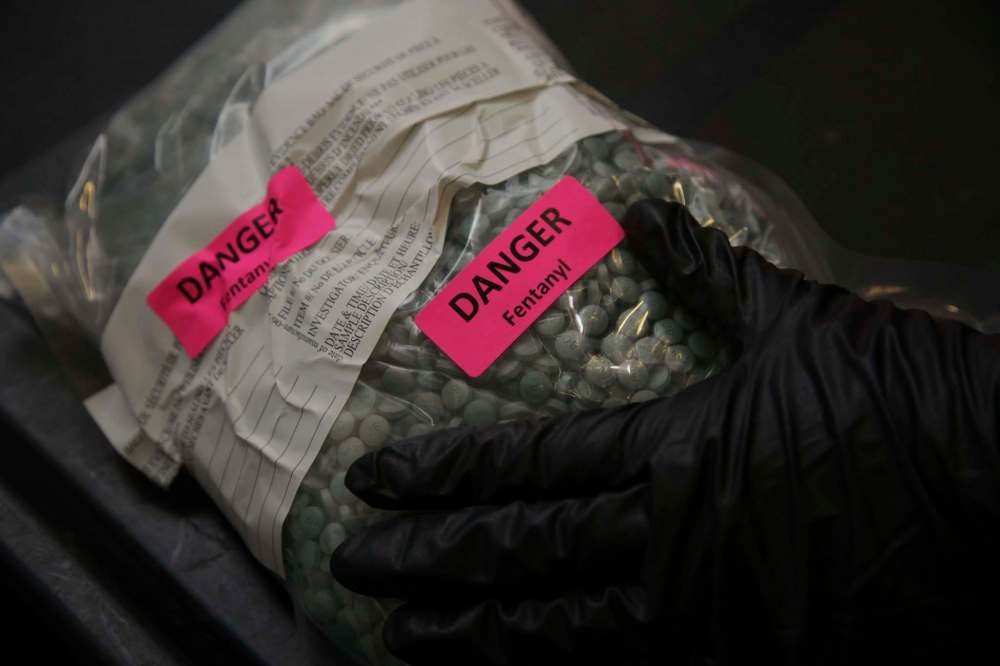
The film, written and directed by former W5 correspondent and field producer Robert Osborne, focuses mainly on the rapid spread of fentanyl and associated opioids in a number of British Columbia communities, but the facts and opinions provided by Unstoppable mirror what has happened in Manitoba in recent months.
“It’s spreading like a virus because it’s the perfect illegal drug,” says Osborne, who also acts as the documentary’s narrator. “Police can’t stop it, and it’s a money-making machine for organized crime.”
Osborne’s first stop is Vernon, B.C., the home of a chemist and fentanyl producer who calls himself Beeker. The man, who has served jail time for his efforts and is facing new charges, takes the unusual step of appearing on camera without the use of shadowy lighting, pixellated images or electronic voice alteration.
Beeker is frank and unapologetic is his description of the fentanyl trade and his role in it. It is, he explains, a business that’s worth billions to the people who have so effectively made the opioid a dominant street drug in a frighteningly short time span. And he’s of the opinion that stepped-up police efforts to rein in the fentanyl trade are destined to be pointless and fruitless.
“I’m smarter than they are,” he says of law enforcement. “All of us chemists are smarter than the police… I don’t think of myself as an evil person; I think I have certain ethical flexibilities, though.”
Osborne takes his cameras to Grande Prairie, Alta., where he meets rancher Pat O’Connell, who lost a child to a fentanyl overdose. He describes his son, Byron, as a good guy who made some mistakes that led to drug use but had cleaned up his act after becoming a father. Byron was an average young man who loved his kid, was good to his family and showed up for work on time every day — until one weekend evening when the urge to party overtook him and a single dose of fentanyl left him braindead in a hospital bed.
“This isn’t pot; this isn’t soft drugs,” a tearful O’Connell says. “This is hardcore death material. If you just sold me a hit of fentanyl, then you’re basically an accessory to murder, as far as I’m concerned.”
Unstoppable also spends time with RCMP Cpl. Eric Boechler, one of the nation’s foremost fentanyl experts, as well as a pair of outreach nurses who deal daily with the opioid’s effects on Vancouver’s drug-afflicted Downtown Eastside, where about 90 per cent of the street heroin these days is actually fentanyl.
“Heroin almost doesn’t exist anymore,” says Beeker.
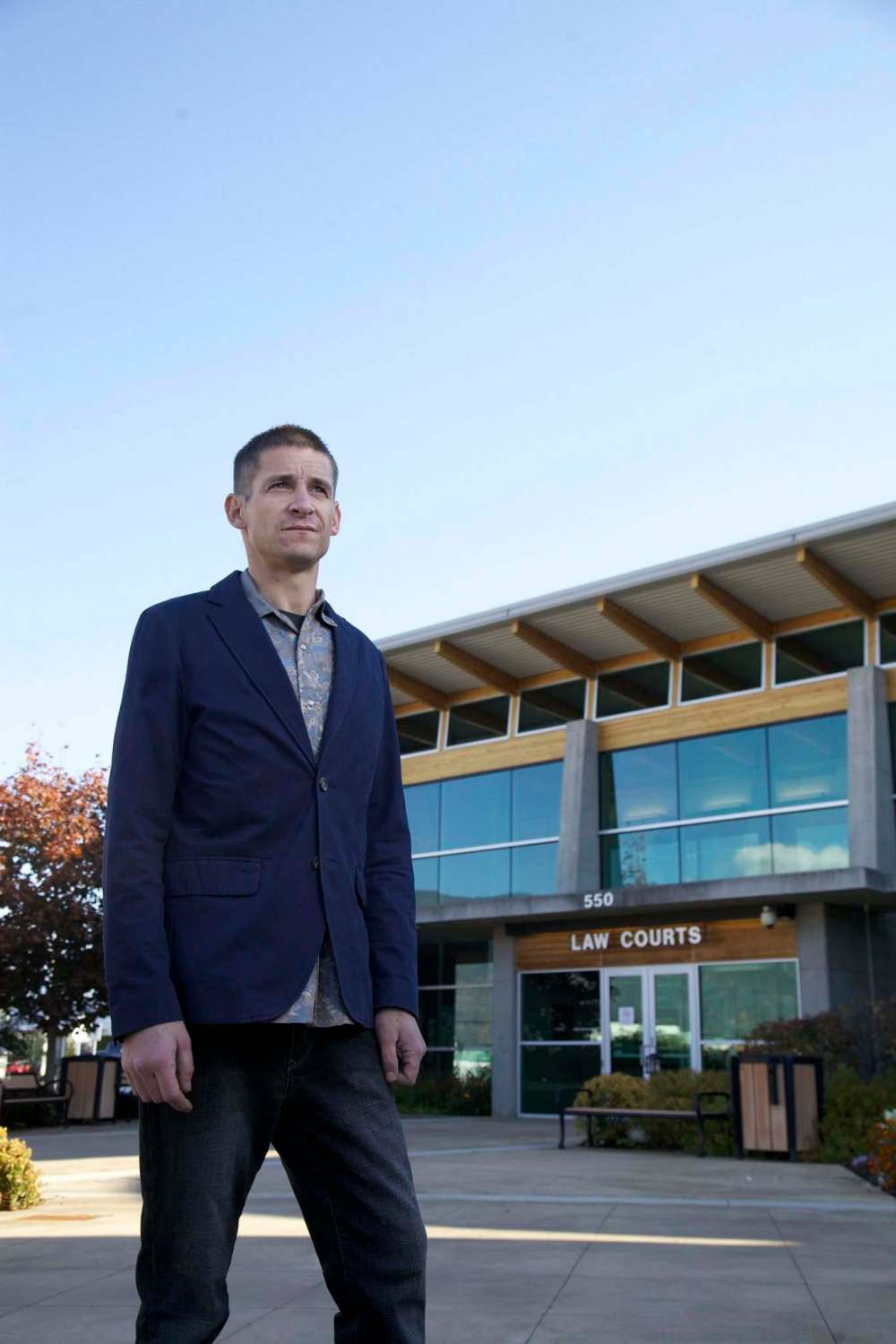
There’s a lot of useful information in Unstoppable, but precious little in the way of hope or optimism.
Beeker, who holds a bachelor of science degree in biochemistry, was first lured into the drug game by a teaching assistant who asked if he’d be interested in helping to make LSD. He says the fentanyl epidemic will be over soon — because it’s about to be replaced by more powerful and exponentially more dangerous drugs.
“Just one very minor variation to the molecule increases its potency by a factor of 100,” he says. “Fentanyl is soon to be obsolete. It’s just not going to be out there any more, because there’s much more profitable (drugs). It doesn’t matter about better or safer or nothing; more profitable drugs and molecules are on the way. They’re in the mail (from China, the source of most fentanyl-producton basics) right now.”
brad.oswald@freepress.mb.ca
Twitter: @BradOswald