

Muppet with autism is just the latest in a long list of progressive Sesame Street characters
New muppet will teach kids important lessons

Advertisement
Read this article for free:
or
Already have an account? Log in here »
To continue reading, please subscribe:
Monthly Digital Subscription
$0 for the first 4 weeks*
- Enjoy unlimited reading on winnipegfreepress.com
- Read the E-Edition, our digital replica newspaper
- Access News Break, our award-winning app
- Play interactive puzzles
*No charge for 4 weeks then price increases to the regular rate of $19.95 plus GST every four weeks. Offer available to new and qualified returning subscribers only. Cancel any time.
Monthly Digital Subscription
$4.99/week*
- Enjoy unlimited reading on winnipegfreepress.com
- Read the E-Edition, our digital replica newspaper
- Access News Break, our award-winning app
- Play interactive puzzles
*Billed as $19.95 plus GST every four weeks. Cancel any time.
To continue reading, please subscribe:
Add Free Press access to your Brandon Sun subscription for only an additional
$1 for the first 4 weeks*
*Your next subscription payment will increase by $1.00 and you will be charged $16.99 plus GST for four weeks. After four weeks, your payment will increase to $23.99 plus GST every four weeks.
Read unlimited articles for free today:
or
Already have an account? Log in here »
Hey there, time traveller!
This article was published 22/03/2017 (3215 days ago), so information in it may no longer be current.
The newest member of the Sesame Street gang is already poised to be an icon — and she hasn’t even been on TV yet.
Julia, a four-year-old with bright red hair and big green eyes, is the first muppet to have autism. She’ll make her official debut on April 11, but social media is already buzzing about her thanks to a 60 Minutes special that aired on Sunday. Through Julia and her interactions with other characters, Sesame Street aims to promote understanding and acceptance of neurodiversity.
In the first episode, the characters will get to know Julia. Sometimes she doesn’t make eye contact or answer a question right away, and sometimes she flaps her arms. She doesn’t like loud noises, and she might repeat herself.
When Big Bird introduces himself to Julia, she ignores him and keeps colouring. Later, he learns not to take it personally, she just does things a little differently. “In a Julia sort of way.”
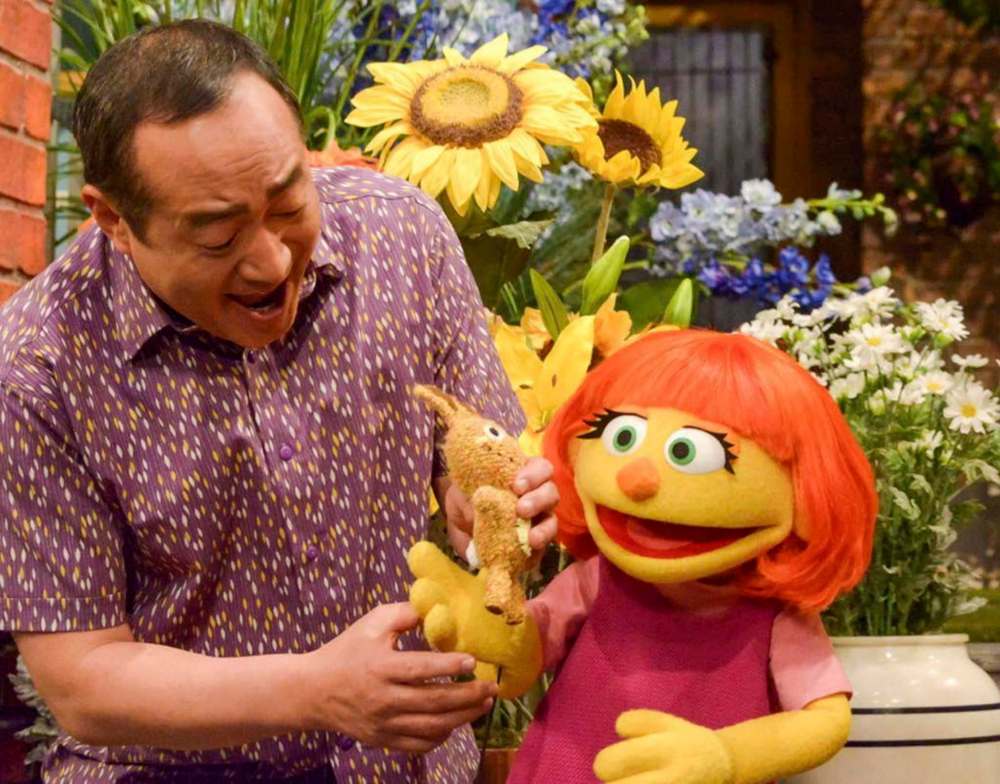
Julia isn’t the first Sesame Street muppet aimed at encouraging empathy.
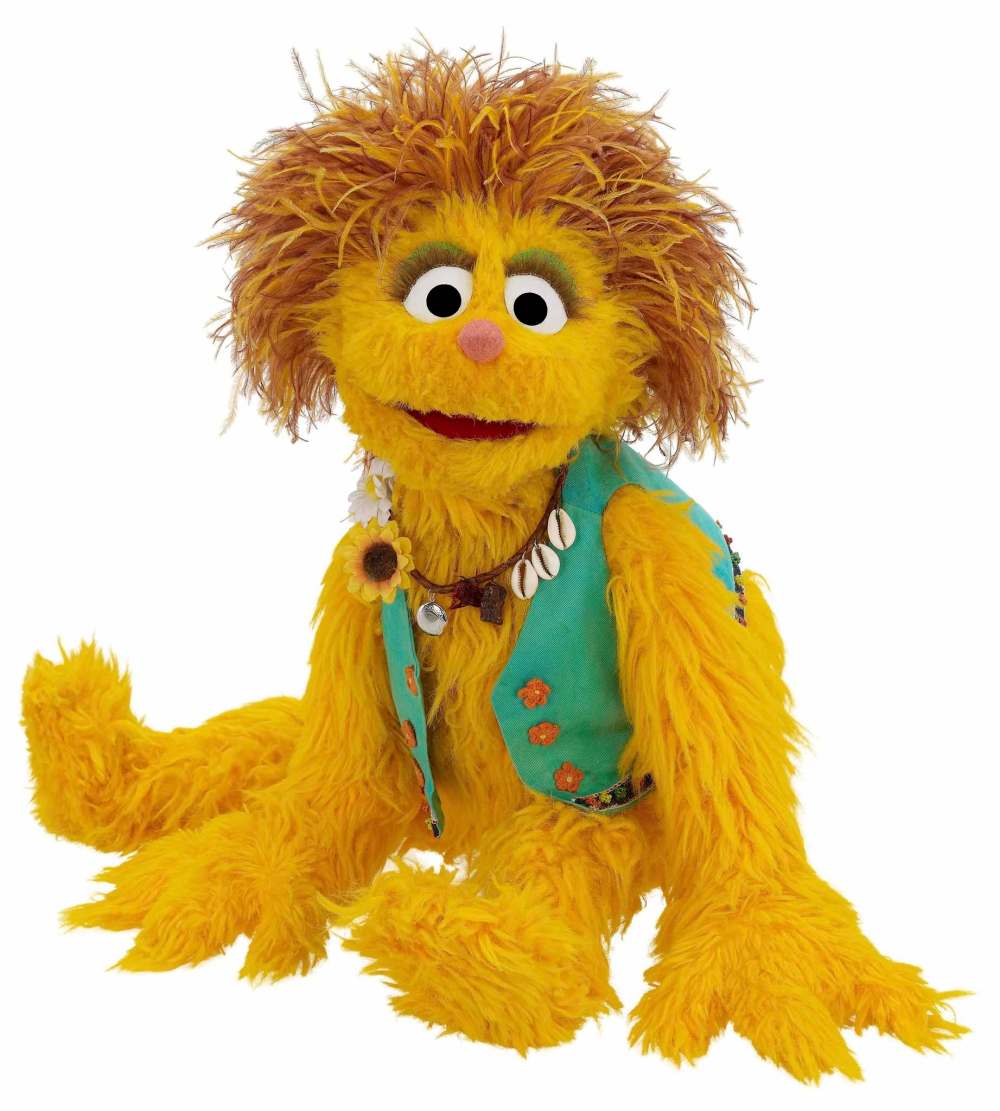
Back in 2002, Sesame Workshop introduced the world to Kami, a furry yellow monster muppet who is HIV-positive. Kami appeared on Takalani Sesame Street in South Africa and Sesame Square in Nigeria until 2009. Kami taught kids about everything from how HIV is and is not spread to how to cope with the loss of a loved one to AIDS. She was named UNICEF’s Champion of Children in 2003.
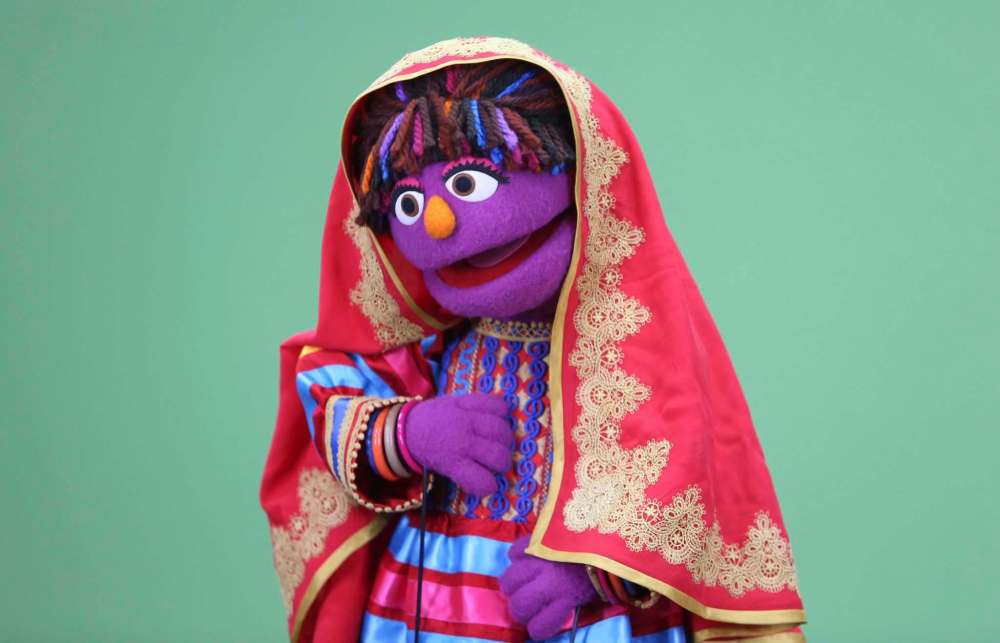
There are many others, too, such as Segi, an African-American muppet who sang about loving her natural hair. Or Zari, a hijab-clad purple muppet who debuted on Baghch-e Simsim, Afghanistan’s version of Sesame Street, to empower girls.
It’s critical for children to see characters who look like them and reflect their experiences. Julia will not be representative of everyone on the autism spectrum. She can’t be. She’s but one puppet and autism is a full spectrum.
But many kids will see themselves in her, and they will see her being treated with kindness, acceptance and compassion. They will see that it’s OK for Julia to do things in a Julia sort of way.
That’s no small thing. My youngest brother, 13 years younger than me, has Asperger syndrome. I wish a character like Julia existed for him when he was little.
But I also wish his neurotypical classmates had Julia to learn from. Julia’s inclusion on Sesame Street isn’t just significant from a representation and diversity standpoint. She also represents an opportunity to educate neurotypical children.
Kids can be incredibly cruel. But some kids just don’t understand what they haven’t been exposed to.
Seeing how a character like Julia might behave — and then seeing how characters interact with her in a postive way — could empower neurotypical kids to be more understanding and supportive friends to neurodivergent kids. They, too, will see it’s OK for Julia to do things in a Julia sort of way.
It’s not just children who could benefit from such an education. There are adults out there who use the word “Asperger’s” when they mean “awkward.” There are adults out there who believe vaccines cause autism, and that autism is a fate worse than death. There are adults who bully and isolate neurodivergent people at work.
Sesame Street and Julia won’t singlehandedly raise a more accepting and empathetic generation.

But they will change lives.
Twitter: @JenZoratti
Jen Zoratti is a columnist and feature writer working in the Arts & Life department, as well as the author of the weekly newsletter NEXT. A National Newspaper Award finalist for arts and entertainment writing, Jen is a graduate of the Creative Communications program at RRC Polytech and was a music writer before joining the Free Press in 2013. Read more about Jen.
Every piece of reporting Jen produces is reviewed by an editing team before it is posted online or published in print – part of the Free Press‘s tradition, since 1872, of producing reliable independent journalism. Read more about Free Press’s history and mandate, and learn how our newsroom operates.
Our newsroom depends on a growing audience of readers to power our journalism. If you are not a paid reader, please consider becoming a subscriber.
Our newsroom depends on its audience of readers to power our journalism. Thank you for your support.
Jen Zoratti is a columnist and feature writer working in the Arts & Life department, as well as the author of the weekly newsletter NEXT. A National Newspaper Award finalist for arts and entertainment writing, Jen is a graduate of the Creative Communications program at RRC Polytech and was a music writer before joining the Free Press in 2013. Read more about Jen.
Every piece of reporting Jen produces is reviewed by an editing team before it is posted online or published in print – part of the Free Press‘s tradition, since 1872, of producing reliable independent journalism. Read more about Free Press’s history and mandate, and learn how our newsroom operates.
Our newsroom depends on a growing audience of readers to power our journalism. If you are not a paid reader, please consider becoming a subscriber.
Our newsroom depends on its audience of readers to power our journalism. Thank you for your support.
Advertisement Advertise With Us
Advertisement Advertise With Us
History
Updated on Wednesday, March 22, 2017 7:54 AM CDT: Video added.
Updated on Wednesday, March 22, 2017 8:53 AM CDT: Headline fixed.
Updated on Wednesday, March 22, 2017 11:04 AM CDT: Places photos.