

Mystery ingredient: Burdock root
Advertisement
Read this article for free:
or
Already have an account? Log in here »
To continue reading, please subscribe:
Monthly Digital Subscription
$1 per week for 24 weeks*
- Enjoy unlimited reading on winnipegfreepress.com
- Read the E-Edition, our digital replica newspaper
- Access News Break, our award-winning app
- Play interactive puzzles
*Billed as $4.00 plus GST every four weeks. After 24 weeks, price increases to the regular rate of $19.95 plus GST every four weeks. Offer available to new and qualified returning subscribers only. Cancel any time.
Monthly Digital Subscription
$4.99/week*
- Enjoy unlimited reading on winnipegfreepress.com
- Read the E-Edition, our digital replica newspaper
- Access News Break, our award-winning app
- Play interactive puzzles
*Billed as $19.95 plus GST every four weeks. Cancel any time.
To continue reading, please subscribe:
Add Free Press access to your Brandon Sun subscription for only an additional
$1 for the first 4 weeks*
*Your next subscription payment will increase by $1.00 and you will be charged $16.99 plus GST for four weeks. After four weeks, your payment will increase to $23.99 plus GST every four weeks.
Read unlimited articles for free today:
or
Already have an account? Log in here »
Hey there, time traveller!
This article was published 06/10/2012 (4942 days ago), so information in it may no longer be current.
What is it?
The slender, bark-covered, edible taproot of the burdock plant, which is a thistle in the genus Arctium. It’s native to Asia, where it’s a staple in the cuisine of many nations. Outside of Asia, not so much. In addition to being used for food, burdock root has also long been harvested for folk medicinal use, namely as a blood purifier. In more modern times, its consumption was recommended by proponents of the macrobiotic diet.
Looks like:
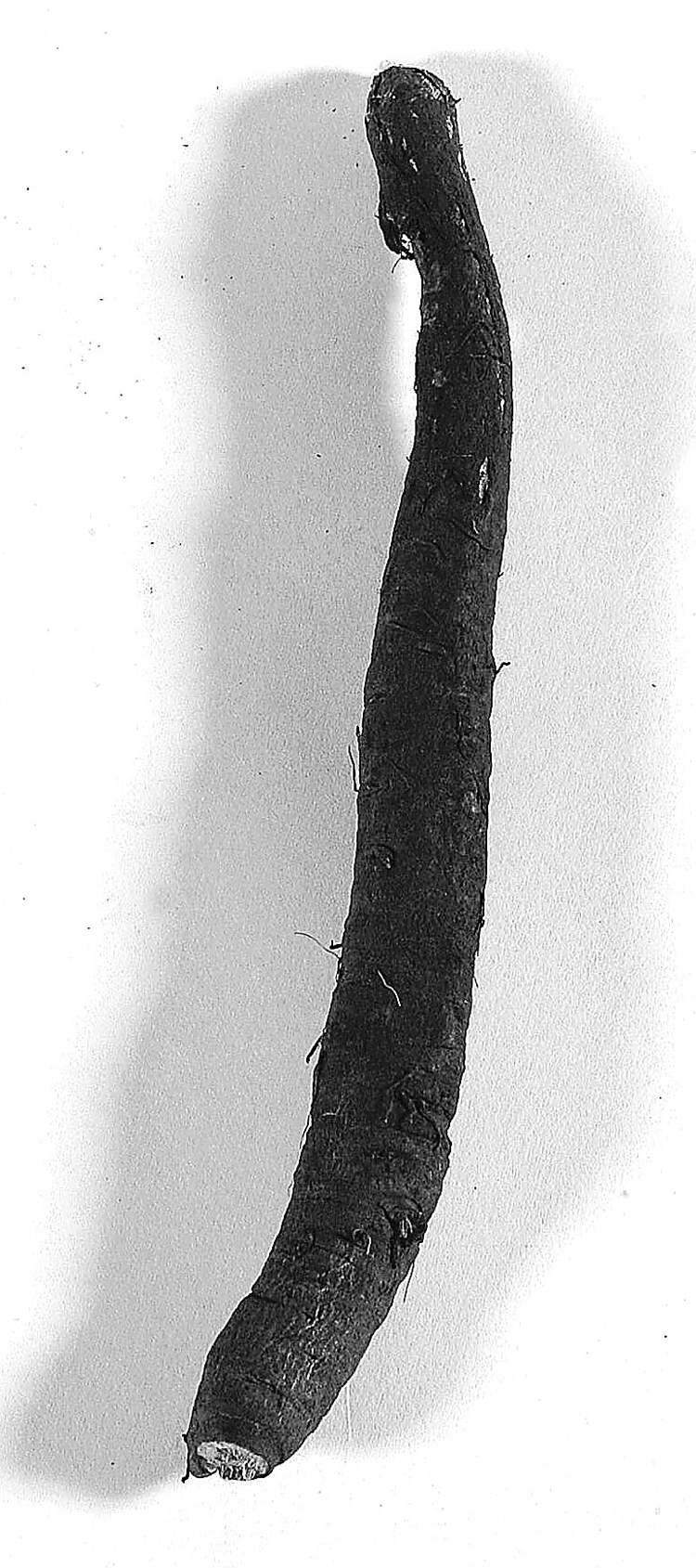
The long, dark, hardy root has a brownish-red outer layer and grey to white flesh. It does not need to be peeled before eating although it should be washed and gently scoured.
Tastes like:
Young burdock roots are crisp and have a flavour reminiscent of artichokes, while the older ones can be bitter. Any harshness can be mellowed by soaking julienned or shredded roots in water for five to 10 minutes.
Used in:
Burdock root can be treated like a root vegetable and added to salads, soups and other dishes. In Europe, it was used as a bittering agent for beer before hops became the agent of choice.

Found at:
Eatit.ca, 603 Wall St.