All hail the pale
Jolts of hoppy flavour and alcohol boost demand in trendy IPAs
Advertisement
Read this article for free:
or
Already have an account? Log in here »
To continue reading, please subscribe:

Digital Subscription
One year of digital access for only $205*
- Enjoy unlimited reading on winnipegfreepress.com
- Read the E-Edition, our digital replica newspaper
- Access News Break, our award-winning app
- Play interactive puzzles
*First annual payment billed as $205.00 + GST for one year. This annual subscription will automatically renew at $233.00 + GST every 52 weeks (10% off the regular annual price of $259.35). Offer available to new and qualified returning subscribers only. Cancel any time.
To continue reading, please subscribe:
Add Free Press access to your Brandon Sun subscription for only an additional
$1 for the first 4 weeks*
- Enjoy unlimited reading on winnipegfreepress.com
- Read the E-Edition, our digital replica newspaper
- Access News Break, our award-winning app
- Play interactive puzzles
*Your next Brandon Sun subscription payment will increase by $1.00 and you will be charged $17.95 plus GST for four weeks. After four weeks, your payment will increase to $24.95 plus GST every four weeks.
Read unlimited articles for free today:
or
Already have an account? Log in here »
Hey there, time traveller!
This article was published 08/06/2013 (4799 days ago), so information in it may no longer be current.
Anyone who has enjoyed a beer has likely at some point tasted an India Pale Ale, or IPA as it is often called today. Here in Canada, most beer drinkers first try an IPA via the Alexander Keith’s version of the stuff. The Labatt-owned brewery’s IPA is far and away the most popular of its category.
But talk to beer geeks and they’ll tell you the Alexander Keith’s IPA isn’t indicative of the overall IPA category. That’s not to say Keith’s is a bad beer — it’s more that calling it an IPA does the rest of the category a disservice. I’ll get back to this later.
The history of India Pale Ale, in a nutshell: A few producers were in the business of shipping their beer to India for consumption by the East India Company traders, the most prominent being George Hodgson of Bow Brewery. Eventually, East India Company requested a pale ale with stronger hops notes for export to India by a British company called Allsopp. It was then that the first version of IPA as we know it today was born.
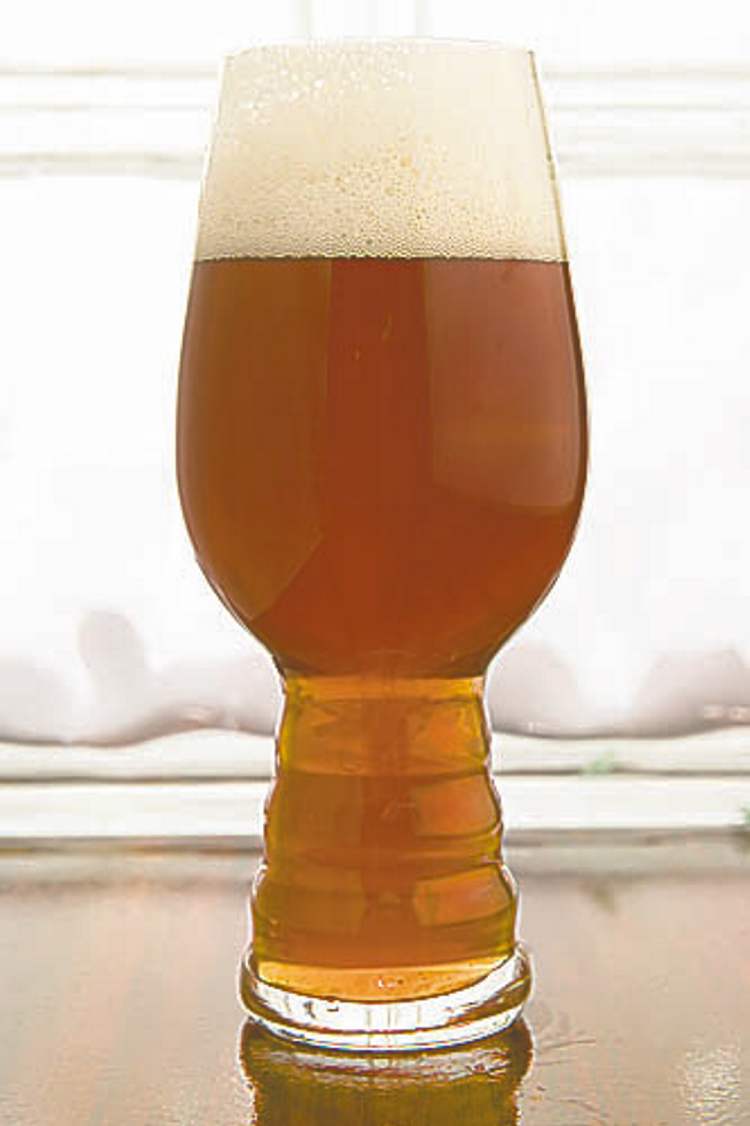
There’s no area of the beer-drinking world today that has jumped on the IPA bandwagon like North American brewers. The measure of a brewery, many beer geeks will tell you, is how good an IPA they make. Most IPAs show off the bitter, herbal and citrusy hops notes, typically measured on the International Bitterness Units (IBU) scale. A heavily hopped beer imparts a slightly mouth-drying feeling somewhat in the same way tannins do in red wine. Alcohol by volume in an IPA is typically in the 5.5-6.5 per cent by volume range.
The double IPA has become popular among breweries in both Canada and the U.S., especially among West Coast producers. Essentially IPAs on steroids, double IPAs feature far higher IBU (often in the 80-100 range) and alcohol content — it’s not unusual to see a double IPA with seven per cent alcohol or higher.
For serious hop-heads, the Alexander Keith’s IPA is a bit of a sheep in wolf’s clothing. It clocks in at somewhere between 20-28 IBU (depending on which online reference you believe — their website doesn’t have technical info), whereas most IPAs bring at least 40 IBU or higher. Its five per cent alcohol level is on par with most other macro brews — in most ways there’s little that distinguishes the Keith’s IPA from the Blues or Molson Canadians of the world.
Big Rock IPA
(Calgary — $2.23/341ml bottle, Liquor Marts and beer vendors)
I couldn’t track down the IBU on the Big Rock IPA online, but judging by taste it’s likely somewhere in the 40 range — on the lower end for IPAs. Bright gold in colour, citrus and light herbal notes on the nose tip the hat to hops, but aren’t intense enough to alienate a novice IPA drinker (there are some nice caramel and toasted malt notes in here, too). The bitter notes emerge on the palate, but the citrus and caramel flavours keep things balanced. An ideal point of entry for IPA newbies, the Big Rock IPA is also available in 355-millilitre cans in the “Swinger Pack.”
Half Pints Little Scrapper IPA
(Winnipeg — $12.32/6x341ml bottles, Liquor Marts and beer vendors)
At 50 IBU, the Little Scrapper does well at offering citrus, floral and grassy notes on the nose — aromatically, it’s unquestionably an IPA. If you like hops, the Little Scrapper is sure to please — they come through in spades on the palate, with rounder, toasted malt/caramel flavours providing great balance, length and texture. For a hops explosion, check out the 100 IBU Humulus Ludicrous when Half Pints releases it in August.
Alexander Keith’s India Pale Ale
(Halifax — various formats, Liquor Marts and beer vendors)

Pale straw in colour, next to the other three IPAs tasted this looks decidedly lighter. Corn and toasty malt notes on the nose are more lager-ish than an IPA style. It’s a light, easy-going beer that tastes plenty good on a hot summer day, but is in most ways not very IPA-ish.
Muskoka Twice as Mad Tom IPA
(Bracebridge, Ont. — $3.28/355ml bottle, Liquor Marts)
I reviewed this online back in February but figured it was worth a revisit to contrast its style with regular IPAs. This twice dry-hopped IPA weighs in at 71 IBU, and has all sorts of intense floral, herbal, grassy and grapefruit rind notes on the nose. It’s a whopping 8.4 per cent alcohol, and the resulting heat on the finish is balanced by long-lasting floral, herbal and slightly sweet malty flavours. If it sounds too intense, the regular Mad Tom IPA might be a better place to start.
uncorked@mts.net Twitter: @bensigurdson