

Oxidation separates one tea from the next
Advertisement
Read this article for free:
or
Already have an account? Log in here »
To continue reading, please subscribe:
Monthly Digital Subscription
$1 per week for 24 weeks*
- Enjoy unlimited reading on winnipegfreepress.com
- Read the E-Edition, our digital replica newspaper
- Access News Break, our award-winning app
- Play interactive puzzles
*Billed as $4.00 plus GST every four weeks. After 24 weeks, price increases to the regular rate of $19.95 plus GST every four weeks. Offer available to new and qualified returning subscribers only. Cancel any time.
Monthly Digital Subscription
$4.99/week*
- Enjoy unlimited reading on winnipegfreepress.com
- Read the E-Edition, our digital replica newspaper
- Access News Break, our award-winning app
- Play interactive puzzles
*Billed as $19.95 plus GST every four weeks. Cancel any time.
To continue reading, please subscribe:
Add Free Press access to your Brandon Sun subscription for only an additional
$1 for the first 4 weeks*
*Your next subscription payment will increase by $1.00 and you will be charged $16.99 plus GST for four weeks. After four weeks, your payment will increase to $23.99 plus GST every four weeks.
Read unlimited articles for free today:
or
Already have an account? Log in here »
Hey there, time traveller!
This article was published 03/12/2016 (3419 days ago), so information in it may no longer be current.
With the arrival of cooler weather, warmer beverages sound better every day. Still, you can drink only so much coffee, and some of us are perhaps already a little, um, over-caffeinated. Maybe it’s time to consider a cup of tea, the world’s second-most-popular beverage (after water), according to the Tea Association of the U.S.A., with about one-third of coffee’s caffeine.
With hundreds of teas out there, you might reasonably conclude that they must come from many different plants. Fact is, all tea actually comes from one plant: Camellia sinensis, a species of evergreen that grows worldwide in warmer climates. Tea’s wonderful variety results from the terroir — where the plant grows — and the way the leaves are processed. All tea leaves start out green and become darker as they oxidize, a process that brings out and concentrates flavours.
Here are six classic teas to check out:
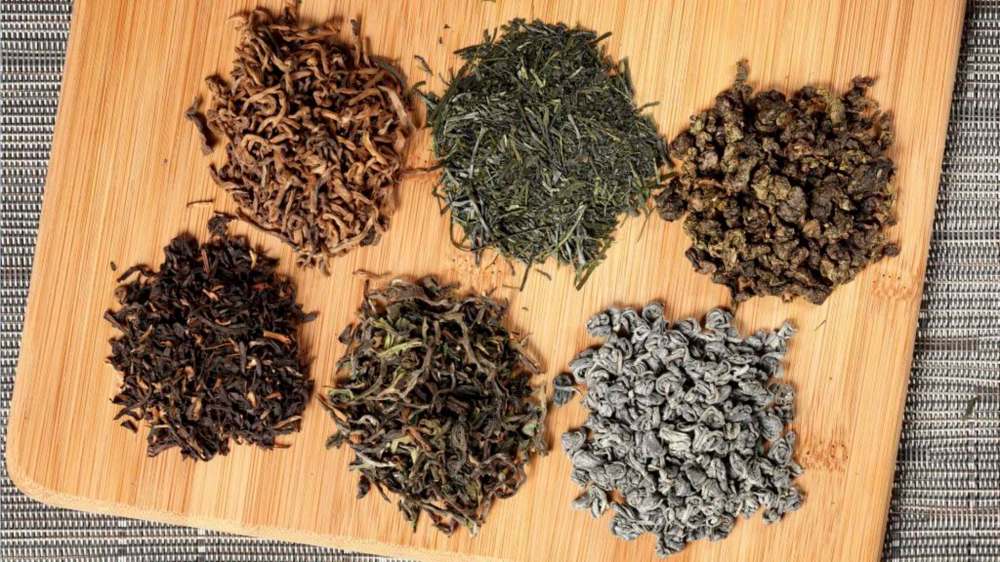
Assam. If you’re transitioning to drinking less coffee and more tea, Assam is a good gateway beverage that’s hearty and deep-flavoured. Named after its home region in northeastern India, this malty brew is used in Irish and German breakfast teas, an indication of its potential, like coffee, to stimulate.
Pu-erh. A reddish-black Chinese tea from Yunnan province, pu-erh is aged, hardening as it dries, then pressed into regular shapes for shipping. Like wine, pu-erh improves with age. You’ll sometimes see vintages on the packaging, and because pu-erh’s so dry, you can hold it for a little longer than most teas, and it may even continue to improve with age.
Darjeeling. A product of West Bengal, India, Darjeeling is usually a black tea, but when the leaves are very young, they can be used to make a white tea, which is much lighter in taste. Compared with Assam and pu-erh, Darjeeling tea leaves yield a lighter liquor, with a flowery nose and slight astringency.
Sencha. A rich, fresh-tasting green tea from Japan with low astringency, sencha, as with most green teas, can be re-infused two or more times. Aficionados appreciate the changes the tea goes through after each successive infusion.

Gunpowder. Several types of tea may be called “gunpowder,” which refers to the tight balls into which the tea is sometimes rolled to preserve the fresh taste of the tender leaves. This is rare green tea, sometimes with a greyish cast and an almost sweet aroma and taste.
Oolong. Kind of a cross between green and black tea, oolong leaves are more oxidized than green, less oxidized than black, which means it’s somewhat stronger and more astringent than green tea but less strong and astringent than black tea. If you usually prefer black tea, oolong is a fine place to start experiencing what green tea offers.
To brew whole leaf tea, use a tea ball or preformed tea bags. Fill about halfway, so that all the leaves will be exposed to water.
Black tea and oolong require boiling water and should be steeped 3-5 minutes; if your black tea is getting too strong, don’t steep it less time; rather, use less tea because adequate steeping in boiled hot water is needed to bring out black tea’s flavours. Green tea requires not-quite-boiling water, 80-85 C (175-180 F), and should be steeped about 2 minutes. White tea is steeped at a lower temperature — 70 C (160 F) or so — for 7-10 minutes. There are a lot of teas out there, and it could be a long winter, so you’ll have plenty of time to learn about teas as you enjoy their immense, incredible variety.
— Chicago Tribune