Malbec reaching new heights
Argentina has the highest average vineyard elevation of the world's primary wine regions
Advertisement
Read this article for free:
or
Already have an account? Log in here »
To continue reading, please subscribe:
Digital Subscription
One year of digital access for only $1.44 a week*
- Enjoy unlimited reading on winnipegfreepress.com
- Read the E-Edition, our digital replica newspaper
- Access News Break, our award-winning app
- Play interactive puzzles
*Billed as $5.77 plus GST every four weeks. After 52 weeks, price increases to the regular rate of $19.95 plus GST every four weeks. Offer available to new and qualified returning subscribers only. Cancel any time.
To continue reading, please subscribe:
Add Free Press access to your Brandon Sun subscription for only an additional
$1 for the first 4 weeks*
- Enjoy unlimited reading on winnipegfreepress.com
- Read the E-Edition, our digital replica newspaper
- Access News Break, our award-winning app
- Play interactive puzzles
*Your next Brandon Sun subscription payment will increase by $1.00 and you will be charged $17.95 plus GST for four weeks. After four weeks, your payment will increase to $24.95 plus GST every four weeks.
Read unlimited articles for free today:
or
Already have an account? Log in here »
Hey there, time traveller!
This article was published 17/04/2017 (3335 days ago), so information in it may no longer be current.
Video: In honour of April 17 being Malbec World Day, Winnipeg Free Press wine/drinks writer Ben MacPhee-Sigurdson decided to crack open an Argentine red made from the grape.
Malbec has never been my favourite red wine grape. For too long, too many wines made from the thick-skinned grape — especially those entry-level examples coming from Mendoza and surrounding areas in Argentina — have seemed a bit out of balance: too flabby, too fruit-driven, lacking complexity and more.
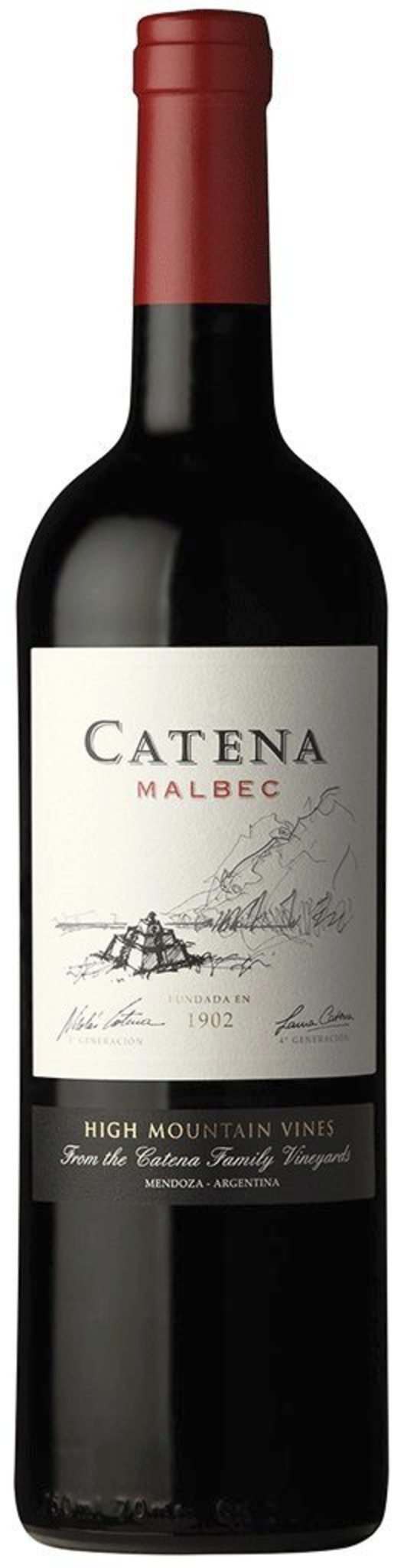
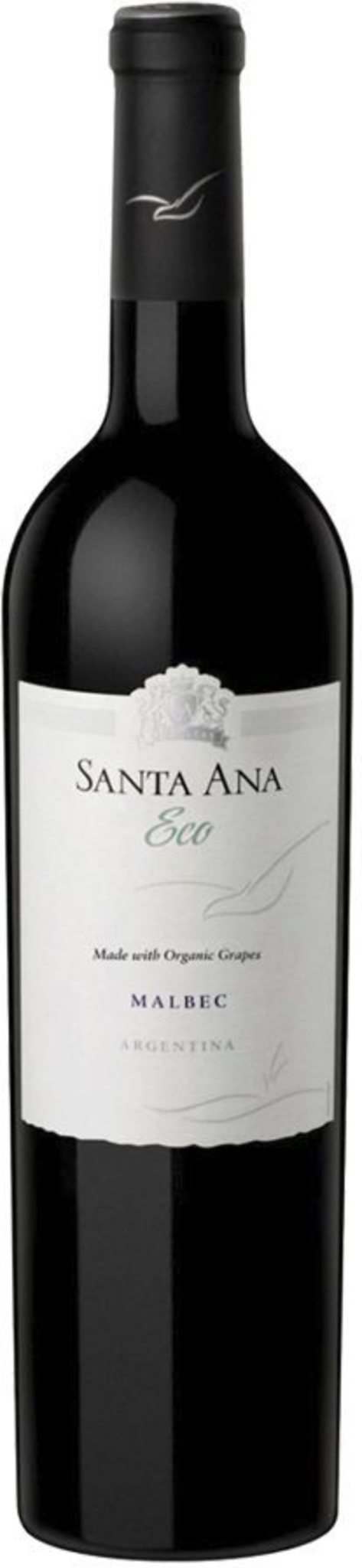
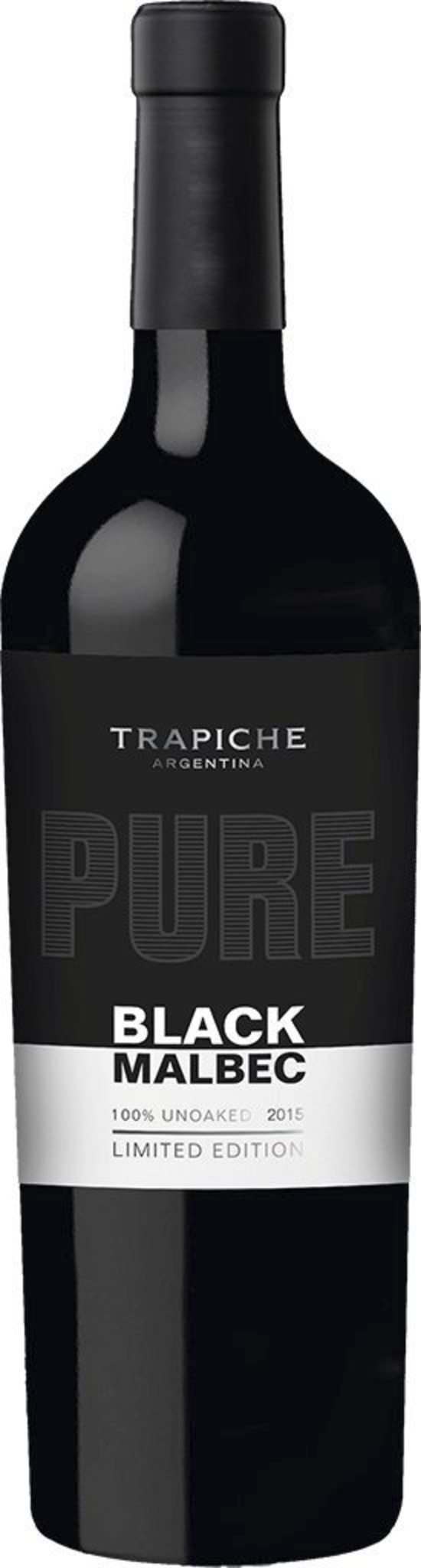
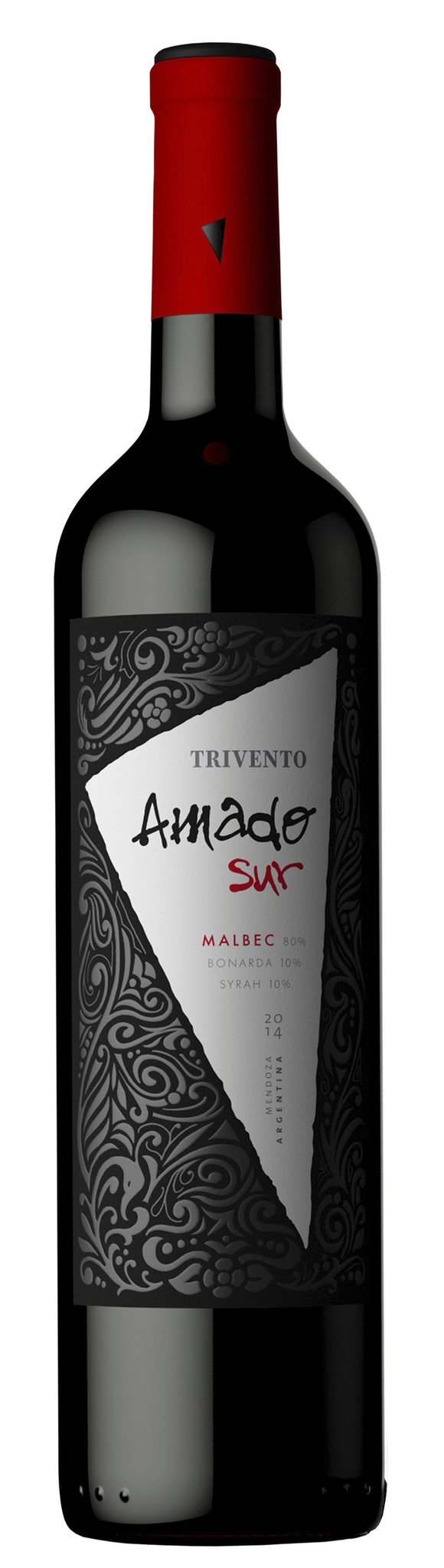
But if the recent cross-section of Malbec wines from Argentina I’ve tried is any indication, producers in the South American country are finding their way, increasingly producing deep, rich reds that retain decent complexity and reflect where they came from.
Malbec’s origins are in southwest France, where it is called Côt and is still made in the Cahors region in large quantities. It’s also used as a blending grape in reds from France’s Bordeaux region, albeit in small quantities.
The grape was brought to Argentina from France in the mid-19th century by French agronomist Michel Pouget and it was there that Malbec found a true home, especially around the Mendoza region, nestled against the eastern edge of the Andes mountains.
More than three-quarters of wines made from the Malbec grape today originate from Argentina. And the country’s place in the global wine context isn’t insignificant; Argentina sits around fifth in terms of global wine production and local consumption is high.
In Karen MacNeil’s The Wine Bible, she notes Argentines consume about 36 litres of wine per person per year (in the U.S., by comparison, it’s about one-quarter of that).
Eventually the first wave of producers — most of whom were Spanish, French or Italian immigrants — would move their wine projects up the hillside to find the best spots to grow Malbec (and other grapes).
It’s hot there, so higher elevation means exposure to plenty of sunlight to ripen grapes but also cooler evening temperatures to keep fruit from becoming overripe.
Argentina has the highest average vineyard elevation of the world’s primary wine regions and producers continue to literally take their wines to new heights, resulting in Malbec that’s rarely the overly ripe and flabby beast it once was. The dark berry and chocolate notes are still there, but the tooth-staining wines are more tightly focused, bringing more acidity and tannin for structure.
The Mendoza region is the primary grape-growing and wine-producing region in Argentina. It’s the capital province, and home to around 70 per cent of the country’s wineries and thereby the bulk of the country’s Malbec.
If Mendoza is the heart of wine country in Argentina, Malbec is its blood.

Why bring all this up?
Well, April 17 is Malbec World Day, a themed wine-drinking day of the year dreamed up by marketing folks to celebrate all things Malbec (and, by transitive property, Argentine red wine).
In addition to the Malbec and More event happening May 3 at the Fairmont in conjunction with the Winnipeg Wine Festival, there’s also a Malbec World Day event happening on April 17 at the Winnipeg Winter Club. Tickets are $50 and include Argentine food, wine, music and more. For details see the event’s Facebook page at wfp.to/Eu6.
uncorked@mts.net
Twitter: @bensigurdson