

Tequila demand outpacing agave supply
Advertisement
Read this article for free:
or
Already have an account? Log in here »
To continue reading, please subscribe:
Digital Subscription
One year of digital access for only $1.44 a week*
- Enjoy unlimited reading on winnipegfreepress.com
- Read the E-Edition, our digital replica newspaper
- Access News Break, our award-winning app
- Play interactive puzzles
*Billed as $5.77 plus GST every four weeks. After 52 weeks, price increases to the regular rate of $19.95 plus GST every four weeks. Offer available to new and qualified returning subscribers only. Cancel any time.
To continue reading, please subscribe:
Add Free Press access to your Brandon Sun subscription for only an additional
$1 for the first 4 weeks*
- Enjoy unlimited reading on winnipegfreepress.com
- Read the E-Edition, our digital replica newspaper
- Access News Break, our award-winning app
- Play interactive puzzles
*Your next Brandon Sun subscription payment will increase by $1.00 and you will be charged $17.95 plus GST for four weeks. After four weeks, your payment will increase to $24.95 plus GST every four weeks.
Read unlimited articles for free today:
or
Already have an account? Log in here »
Hey there, time traveller!
This article was published 20/10/2018 (2786 days ago), so information in it may no longer be current.
The world just can’t seem to get enough tequila.
It takes about seven years to grow a blue agave plant, the spirit’s prized ingredient. Once mature, tequila makers have to extract the “pina,” or heart, so it can be heated, crushed, fermented, distilled and finally bottled and sold by your local mixologist as part of a trendy cocktail.
But over the past two years, volatile agave prices have soared, thanks in part to high tequila demand. According to an industry survey by Taste Tequila, the plant can cost as much as 25 pesos (US$1.31) a kilogram, up from two pesos (10 cents US) in 2012.
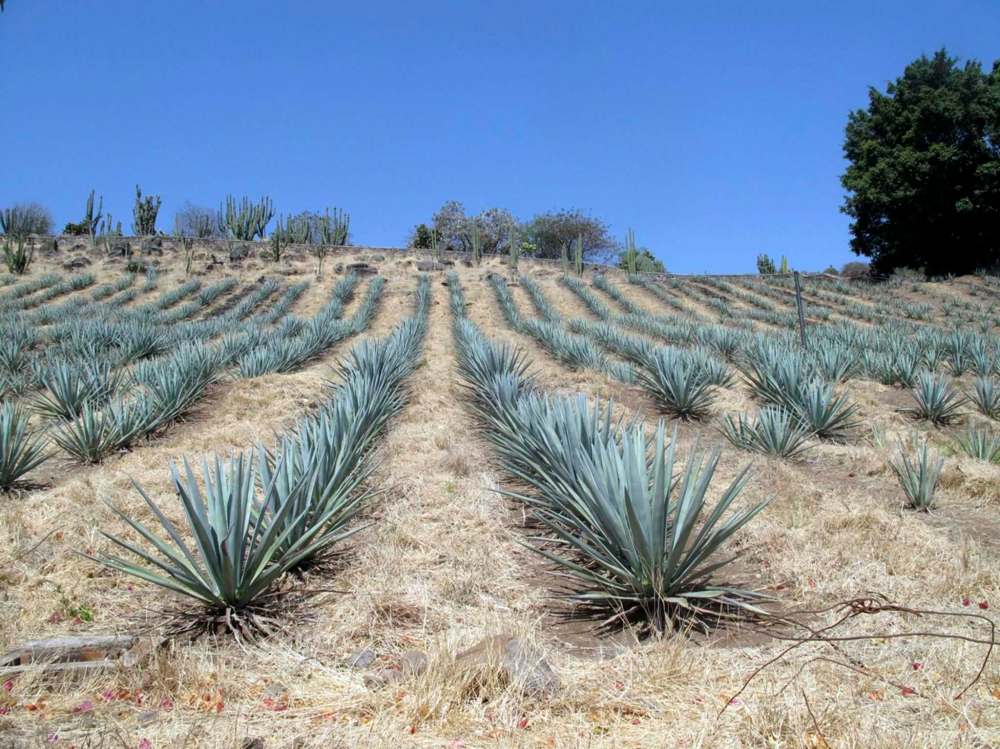
In Jalisco, Mexico, ground zero for growing agave, farmers are struggling to keep up. As these producers pull up premature plants in an effort to cash in while prices are high, quality is beginning to fall. At the same time, the skyrocketing value of the agave has given rise to security concerns as the plants become valuable theft targets. This can add expenses for farmers already gambling with an unpredictably priced crop.
Tequila first made its way out of Mexican artisan distilleries to the urban bar scene in the early 1990s. From 1995 to 2005, tequila production doubled as multinational brands jumped in, generating huge profits while making Patron, Jose Cuervo and Don Julio household names.
Though the spirit’s popularity has grown worldwide, people in the U.S. remain tequila’s top consumers, importing more than 171 million litres in 2017. Spain, the second largest market, brought in about five million that year, according to data from the Tequila Regulatory Council. But keeping up with global demand is getting harder: agave’s seven-year growth cycle requires a long-term investment for anyone looking to distil. And while some brands source from their own estates, others buy from farmers or do both — leaving much of the industry at the mercy of market prices that swing wildly. Without a locked-in supplier or advance contracts, a brand can easily find itself in trouble if the cost of agave shoots up.
“Agave prices have priced out brands where there’s no estate or distiller,” said Nicolas Palazzi, the owner of craft spirit importer PM Spirits, which has seen 220 per cent growth in revenue in the past year, with tequila as a key player.
Patron Spirits International sources exclusively from “agave families,” setting up advance contracts based on predicted needs, said Francisco Soltero, director of strategic planning and public affairs. Tequila Cazadores, owned by Bacardi, operates on a similar model. It makes its own 100 per cent blue agave tequila with plants obtained from the same farmers it’s used for decades, said Tania Oseguera, the brand’s master tequilier. Agave passing through the distillery right now, Oseguera said, was contracted for seven years ago. The price for the plants fell somewhere between the lows of 2011 and today’s high.
“We get a deal,” she said.
Tequila brands without a guaranteed agave supply, however, are the most likely to get squeezed out. “Smaller brands are suffering. It’s cleaning out the market,” Palazzi said. As a result, newer brands are trying to navigate the high prices strategically. Playa Real Tequila has already produced award-winning tequila in its first year in business. It works with a distillery that grows about 80 per cent of its own agave and buys the rest from outside growers. The company, president Arturo Vargas said, is selling more than it anticipated, so now it’s closely watching the those market prices.
“For us, it’s better to wait for agave prices to go down again,” Vargas said.

Meanwhile, tequila experts complain that the reputation of this unmistakable Mexican spirit is suffering. “As demand increases and tequila becomes a global product, it’s only going to put more pressure on people to use these giant machines to extract as much sugar as possible,” said Josh Prewitt, general manager at La Condesa, a Mexican restaurant in Austin, Texas. He’s referring to the huge “diffusers” loathed by small distilleries but used regularly by bigger companies. “In the industry, we call it aga-vodka.”
Just as distillers worry about agave prices spiking, the farmers who produce it are worrying about an unpredictable downturn.
Despite the liquor’s ascendance, the people most responsible for tequila are struggling to survive. Because of agave’s long growth cycle and volatile pricing, many farmers can’t afford to stay in business when prices swoon. In 2011, there were 3,075 agave producers, according to data from the Tequila Regulatory Council. In 2017, there were 1,946. Simultaneously, tequila production rose, from 261 million litres in 2011 to 271 million litres in 2017.
“Agave producers are a species in extinction,” said Raul Garcia Quirarte, president of the National Committee for the Tequila Agave Product System, in an interview during the Food and Beverage Expo in Mexico City in August.
— Bloomberg