Calculating climate costs into the price of your next bottle
Read this article for free:
or
Already have an account? Log in here »
To continue reading, please subscribe:

Digital Subscription
One year of digital access for only $205*
- Enjoy unlimited reading on winnipegfreepress.com
- Read the E-Edition, our digital replica newspaper
- Access News Break, our award-winning app
- Play interactive puzzles
*First annual payment billed as $205.00 + GST for one year. This annual subscription will automatically renew at $233.00 + GST every 52 weeks (10% off the regular annual price of $259.35). Offer available to new and qualified returning subscribers only. Cancel any time.
To continue reading, please subscribe:
Add Free Press access to your Brandon Sun subscription for only an additional
$1 for the first 4 weeks*
- Enjoy unlimited reading on winnipegfreepress.com
- Read the E-Edition, our digital replica newspaper
- Access News Break, our award-winning app
- Play interactive puzzles
*Your next Brandon Sun subscription payment will increase by $1.00 and you will be charged $17.95 plus GST for four weeks. After four weeks, your payment will increase to $24.95 plus GST every four weeks.
Read unlimited articles for free today:
or
Already have an account? Log in here »
Hey there, time traveller!
This article was published 22/04/2023 (1263 days ago), so information in it may no longer be current.
Earth Day is a time to reflect on the ways we can go about reducing the harm we cause to the planet, both in the short and long term.
There are steps we can take to be kinder to the Earth as it pertains to wine-drinking habits — seeing as grape-growing and winemaking impact the planet, and rarely for the better, it’s worth considering when picking out your next bottle of wine.
A jaunt through wine country typically rewards visitors with picturesque rolling fields of rows of vines, with healthy-looking, well-manicured plants soaking up the sun as the fruit ripens. But there’s typically way more going on in those vineyards than simple photosynthesis.
Grape vines produce the best fruit when they’re planted in warm, dry climates where they have to work hard to get moisture, with roots burrowing deep into the soil in search of water. When that water’s not there in decent supply and rain is in short supply, grape growers are often forced to pipe in water to irrigate vines — and it can take a whole lot of this precious resource to keep the plants healthy.
Many larger conventional producers concerned about mildew, fungus or other pests in the vineyard turn to fungicides and/or pesticides to keep things under control in the vineyard, some of which contain chemicals that can negatively impact, at the very least, the soil and the environment.
Choosing wines made from grapes grown organically reduces the amount of harmful chemicals fruit encounters. Producers using organic grape-growing and winemaking methods look to less destructive ways to reduce pests and mildew, employing ingredients already in our environment (versus concocted in a lab). Sometimes that means concocting a fertilizer made from other organic materials, or introducing birds or other insects to deal with leaf-eating critters.
There are plenty of organic wines in our market — if you’re at Liquor Marts look for the little green “organic” shelf signs, or ask folks at private wine stores about what organic wines they carry. If all else fails, scour the back label on a bottle — many feature official organic certification logos (typically along the lines of a little green leaf or some such thing).
Biodynamic winemaking practices go beyond simple organic grape-growing, incorporating a rich, fertile ecosystem with some quasi-spiritual practices in and around the vineyard. Planting, watering and the like is often undertaken based on the best days of the lunar/biodynamic calendar to do so. And if you think that’s a bit eccentric, consider that many biodynamic producers plant cow horns full of manure throughout the vineyards as part of biodynamic winemaking preparations.
The whole biodynamic process is fascinating; it has its critics, but there’s no denying the finished product is less harmful to the environment than commercial counterparts. (Most biodynamic wines in our market are at private wine stores.)
Then there are what are typically called natural wines — products made with minimal human intervention both in the vineyard and winery. Grapes for natural wines are almost always farmed organically, and are fermented using yeasts native to the grapes (versus the addition of commercial yeasts, which has its own environmental impact). It’s the most traditional/old-school way to make wine, dating back to before the invention of pesticides and the like. Virtually all natural wines in our market are at private wine stores; Ellement Wine + Spirits at The Forks Market specializes in natural wines, in fact, and can provide plenty more information about natural/minimal-intervention wines.
Beyond organic, biodynamic and natural wines, consider where the wine you’re buying has been made. No matter how admirable the agricultural and winemaking processes, the further away a particular wine is made from where you live, the more of an impact transportation (typically by freighter) has on our planet — particularly when you factor in the heavy glass bottles in which your favourite red, white or sparkling wine arrives.
Consider exploring wines made in alternative packaging such as cans, bag-in-box receptacles and Tetra Pak-type packaging, all of which can reduce the weight of the package being shipped halfway around the world (typically by freighter).
Or consider buying wines made closer to home. Earth Day is a great opportunity to explore Canadian wines. Even Manitoba-made products. Low Life Barrel House, Shrugging Doctor Beverage Company and Rigby Orchards all make wines that include at least some fruit grown right here.
uncorked@mts.net
Wines of the week
Nichol 2021 Pinot Gris (Naramata, B.C. — $27-31, private wine stores)
Nichol Pinot Gris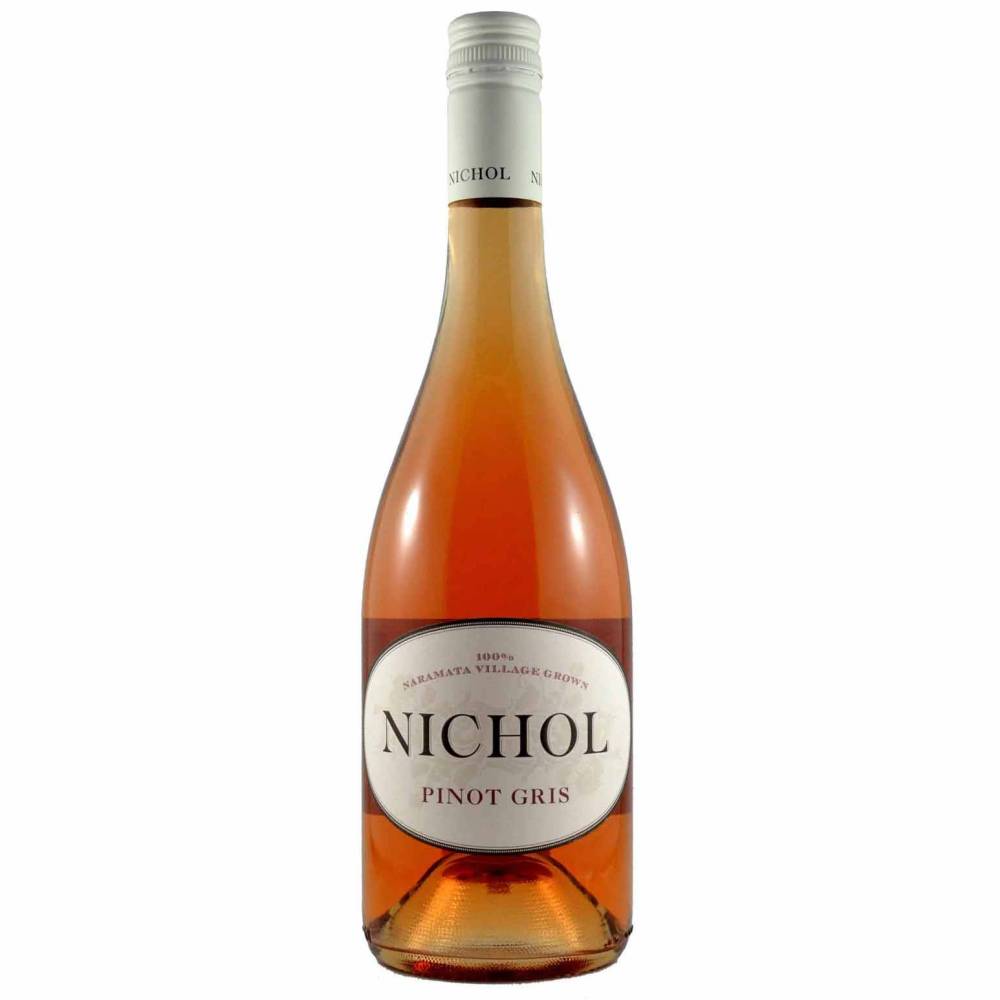
While most Pinot Gris/Grigio is pale straw in colour, Nichol’s brings a lovely pinkish hue thanks to the juice being left in contact with the reddish grape skins for 36 hours.
This minimal-intervention wine (made primarily from organic grapes, although not labelled as such) offers a lovely aromatic core of fresh strawberry, floral, watermelon and peach notes. It’s dry and light-bodied, with the hint of fruit sweetness accentuating the ripe berry and peach flavours, some modest spice and an almost-lactic note adding complexity and a splash of acidity keeping things lively. Lovely… available at most private wine stores. 4/5
Nathalie Bonhomme 2021 Beau Bonhomme red (Jumilla, Spain — $17.99, Liquor Marts and beyond)
Beau Bonhomme red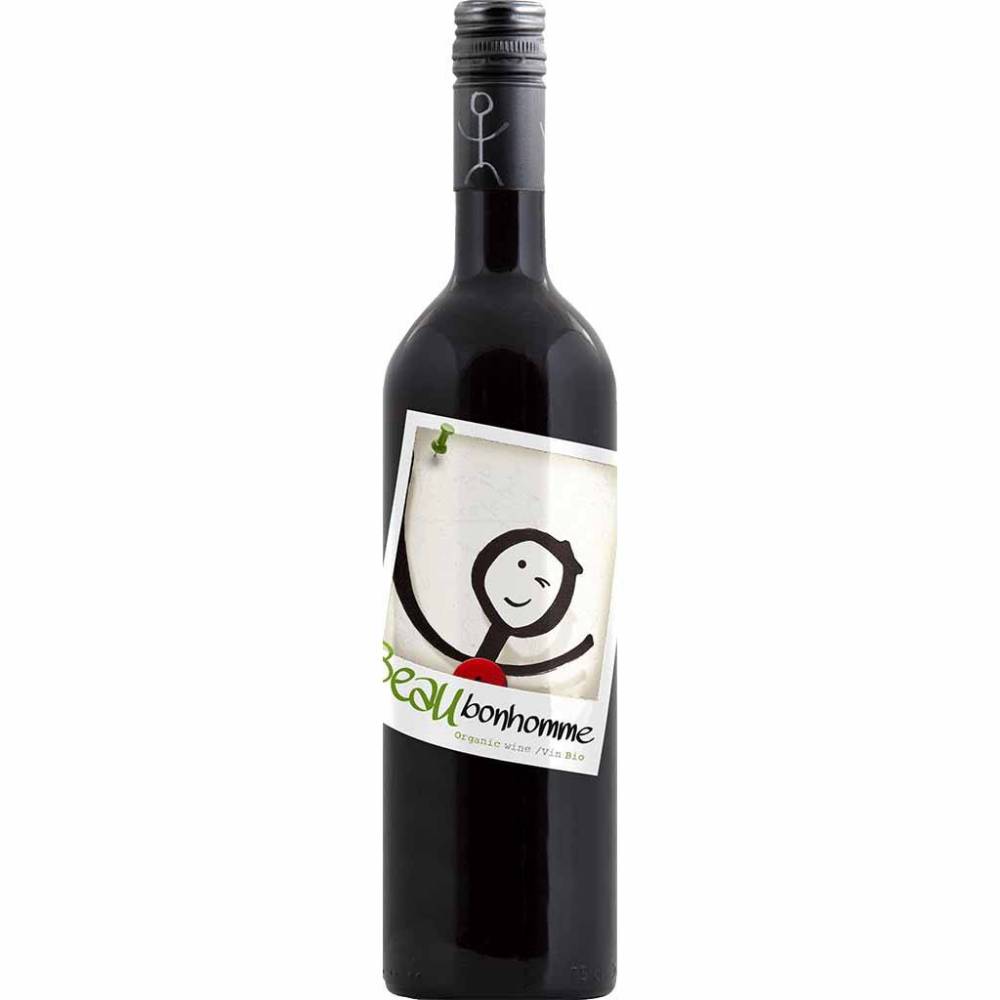
Made entirely of Monastrell (a.k.a. Mourvèdre) grapes grown on 25-year-old organic vines, this Spanish red is deep purple in colour, with up-front blackberry, plum, violet and blueberry compote notes on the nose.
There’s almost a hint of sweetness on the medium-plus bodied (and unoaked) palate, with loads of brambly dark berry and plum flavours showing well and bringing a black tea note with modest tannins on the finish. Drink this cheerful (and vegan) Spanish red now. 3.5/5
Terre Cevico 2018 b.io Sangiovese (Romagna, Italy — $19.99, Liquor Marts and beyond)
Terre Cevico b.io Sangiovese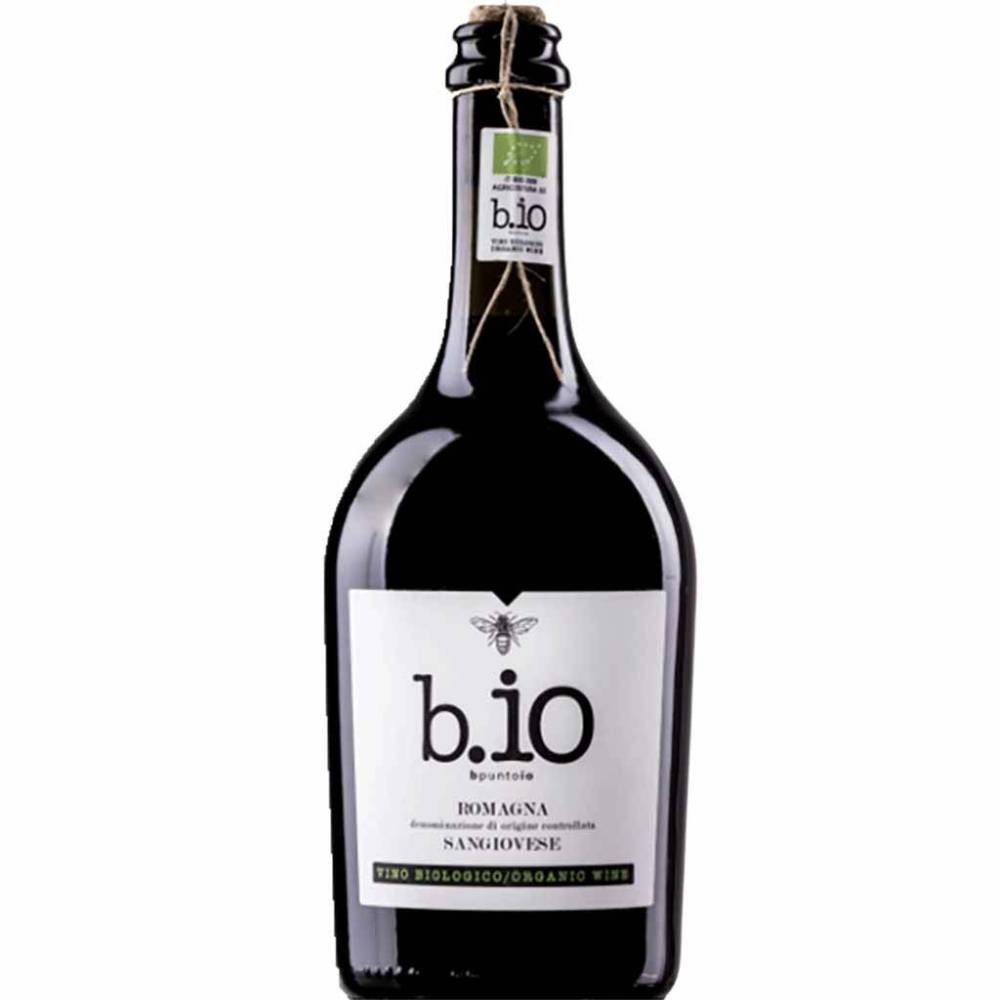
Another unoaked, organic and vegan red, this time from Italy’s Romagna region and made from organic Sangiovese grapes, the b.io is slightly paler and brick-ish in colour than the Bonhomme, offering more up-front spice, cherry, raspberry, mocha and red licorice notes.
It’s dry and medium-bodied, with easygoing red berry and slightly earthy flavours and some solid spice that come with the moderately grippy tannins. Despite its relatively older vintage it’s still holding up pretty nicely; drink now, possibly chilled for 15 minutes. 3.5/5

Ben Sigurdson
Literary editor, drinks writer
Ben Sigurdson is the Free Press‘s literary editor and drinks writer. He graduated with a master of arts degree in English from the University of Manitoba in 2005, the same year he began writing Uncorked, the weekly Free Press drinks column. He joined the Free Press full time in 2013 as a copy editor before being appointed literary editor in 2014. Read more about Ben.
In addition to providing opinions and analysis on wine and drinks, Ben oversees a team of freelance book reviewers and produces content for the arts and life section, all of which is reviewed by the Free Press’s editing team before being posted online or published in print. It’s part of the Free Press‘s tradition, since 1872, of producing reliable independent journalism. Read more about Free Press’s history and mandate, and learn how our newsroom operates.
Our newsroom depends on a growing audience of readers to power our journalism. If you are not a paid reader, please consider becoming a subscriber.
Our newsroom depends on its audience of readers to power our journalism. Thank you for your support.