Grape adventures ahead
Many rewards to trying obscure varieties

Advertisement
Read this article for free:
or
Already have an account? Log in here »
To continue reading, please subscribe:

Digital Subscription
One year of digital access for only $205*
- Enjoy unlimited reading on winnipegfreepress.com
- Read the E-Edition, our digital replica newspaper
- Access News Break, our award-winning app
- Play interactive puzzles
*First annual payment billed as $205.00 + GST for one year. This annual subscription will automatically renew at $233.00 + GST every 52 weeks (10% off the regular annual price of $259.35). Offer available to new and qualified returning subscribers only. Cancel any time.
To continue reading, please subscribe:
Add Free Press access to your Brandon Sun subscription for only an additional
$1 for the first 4 weeks*
- Enjoy unlimited reading on winnipegfreepress.com
- Read the E-Edition, our digital replica newspaper
- Access News Break, our award-winning app
- Play interactive puzzles
*Your next Brandon Sun subscription payment will increase by $1.00 and you will be charged $17.95 plus GST for four weeks. After four weeks, your payment will increase to $24.95 plus GST every four weeks.
Read unlimited articles for free today:
or
Already have an account? Log in here »
Hey there, time traveller!
This article was published 30/09/2023 (1038 days ago), so information in it may no longer be current.
Quick: off the top of your head, could you name a dozen wine grape varieties?
In her 2012 book Wine Grapes, esteemed British writer and critic Jancis Robinson (along with master of wine Julia Harding and geneticist José Villamouz) estimates there are some 10,000 different grape varieties in the world, focuing on a “mere” 1,368 varieties (over a whopping 1,200-plus pages) that tend to be used to make wine.
It’s an impressive number until you realize one third of global vineyard plantings are made up of just 13 different varieties; half of global plantings are made up of only 33 varieties.
Armando Franca / The Associated Press files Workers sort grapes picked at the Quinta da Gricha vineyard in the Douro river valley near Ervedosa do Douro, northern Portugal. 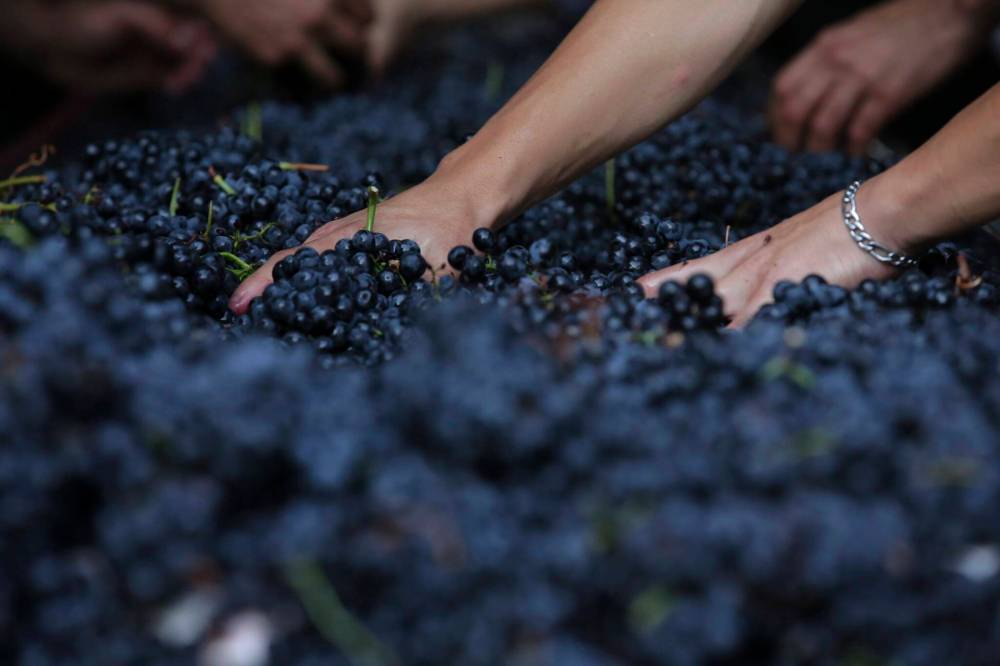
From Aligoté to Zweigelt, there’s a world of wine grapes out there that lack the global star power of the Chardonnays, Cabernet Sauvignons, Syrah/Shirazes, Pinot Noirs, Merlots or Sauvignon Blancs of the world and, as such, don’t command as much of the spotlight (or retail shelf space).
This is especially the case in Old World (read: European) wine-producing countries, particularly from lesser-known regions of Spain, Portugal, Italy, Greece, Croatia and the like. Many such producers never adopted the practice of putting the grape variety or varieties on the front label in big letters like their counterparts in North and South America, Australia and South Africa. Rather, the emphasis is on place — the region from which the wine originates.
These wines often don’t get as much attention from consumers on this side of the pond, which is a shame. The typical producer in these regions has been making wine from these relatively obscure varieties for a number of generations, the result of which are well-made, well-priced wines that bring compelling (and delicious) flavours and which pair well with food, particularly cuisine from their respective regions.
So the next time you’ve got a hankering for something new, consider passing on the Pinot Grigio and treat yourself to an adventure in your glass.
Wines of the week
Michele Chiarlo 2021 Palás Gavi (Gavi, Italy — $20.99, Liquor Marts and beyond)
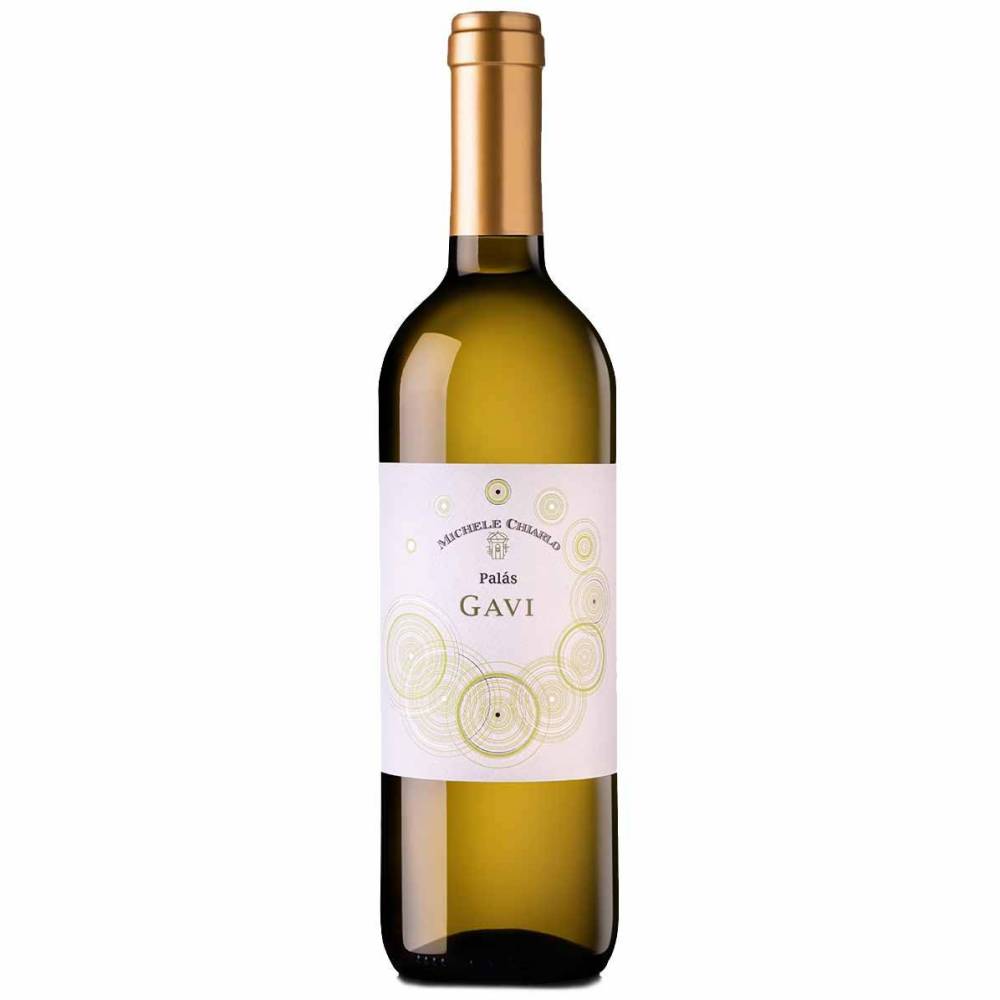
Made from the Cortese grape in the Piedmontese sub-region of Gavi in northern Italy, this white is pale straw-yellow in colour and aromatically brings white peach, floral, pear and honeysuckle notes.
It’s dry and light-plus bodied, with a touch of viscosity texturally that works well with the peach and pear flavours, that hint of honey and some modest acidity and a chalky note (all delivered without oak aging) before the medium-length finish.
Brings great complexity with up-front freshness for the price. Try with milider seafood dishes or cacio e pepe. 4.5/5
Quinto de Crasto 2021 Crasto White (Douro, Portugal — around $25, private wine stores)
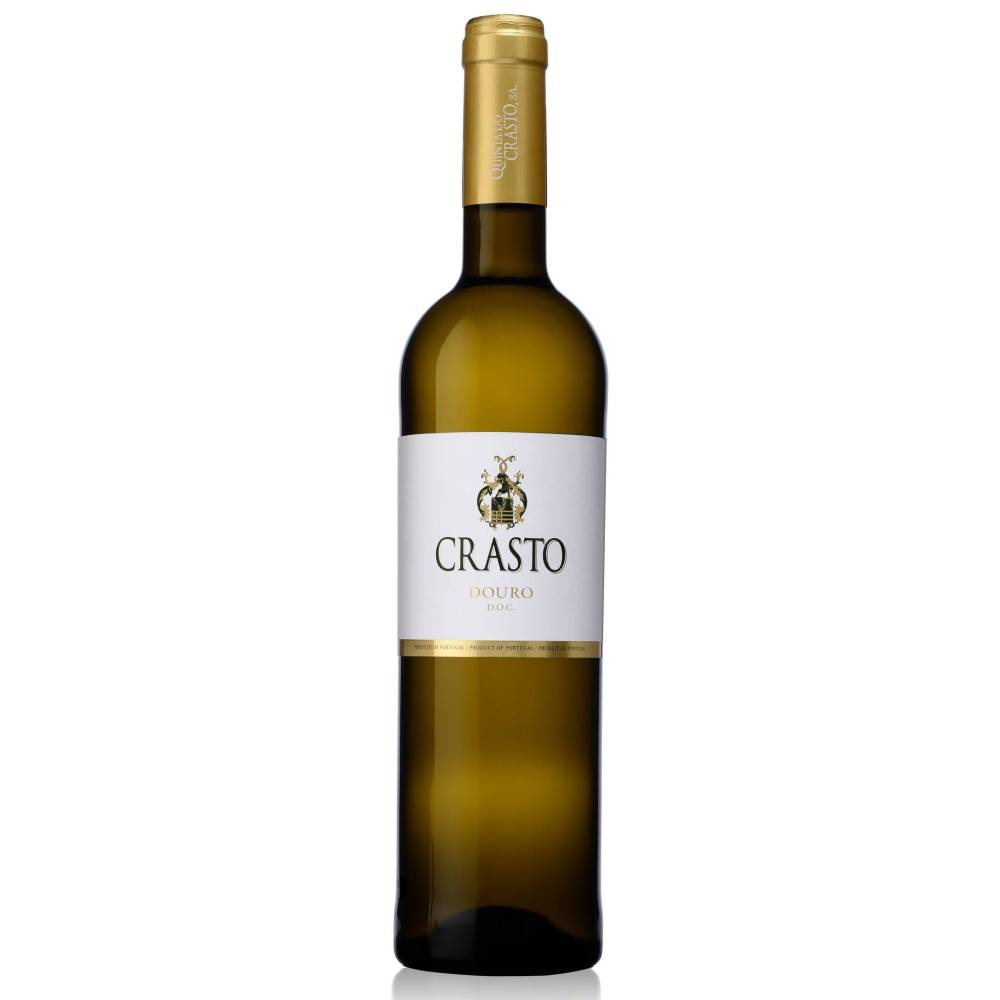
A 40-30-30 blend of the indigenous varieties Viosinho, Rabigato and Gouvejo, this Portuguese white offers lovely ripe citrus, floral, pear and honeysuckle aromas.
There’s a touch of viscosity to the light-plus-bodied palate, while the fresh citrus and pear flavours come with very good ripeness and intensity.
The small portion of this wine aged in oak doesn’t come with woody flavours but adds to the textural complexity, without distracting from that delightful freshness. Would sing with mussels or grilled fish. Available at the Pourium. 4/5
Jose Maria de Fonseca 2021 Monte da Ribeira Branco (Alentejano, Portugal — $15.99, Liquor Marts and beyond)
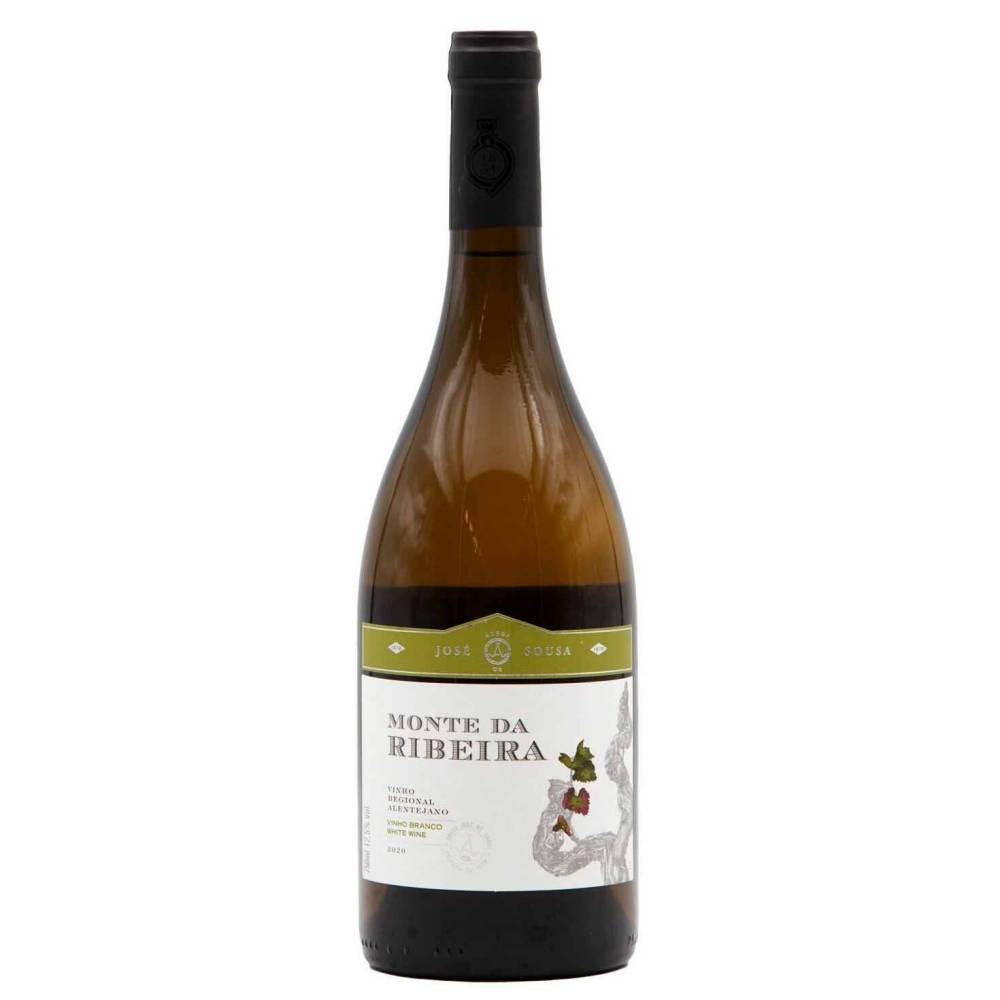
A blend of 35 per cent each of Verdelho and Sauvignon Blanc, plus 30 per cent Antão Vaz, this Portuguese white offers lime candy, green apple, herbal and stone fruit notes on the nose.
The light-bodied white delivers more of the same on the palate, albeit with a chalky, almost-nutty and slightly bitter edge, and some tart acidity that pierces the somewhat viscous texture before things dry out a bit.
Try with milder cheeses, fish-based soups or stews or even sushi. 3/5
Bacalhôa 2021 Serras de Azeitão (Península de Setúbal, Portugal — around $19, private wine stores)
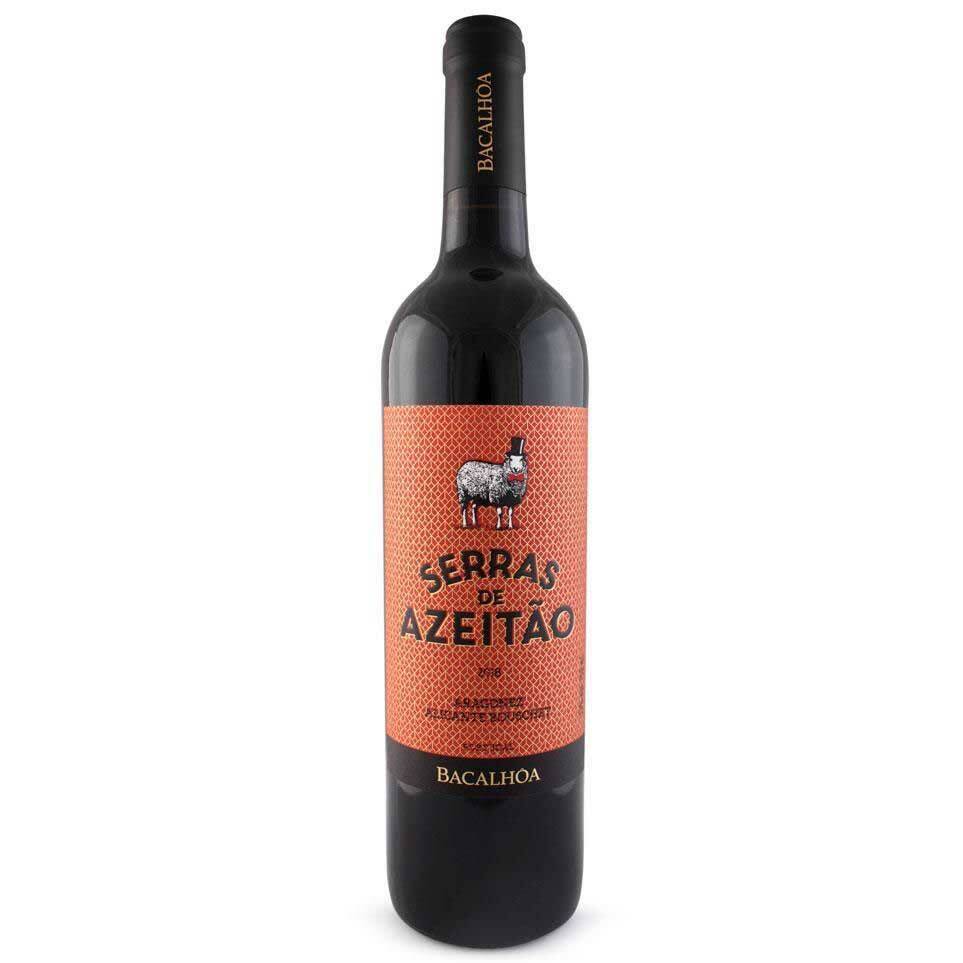
A 75-25 blend of Aragonez and Alicante Bouschet grapes, this red blend from southwest Portugal brings dark berry, floral, cocoa and subtle black-olive aromas.
It’s dry, medium-bodied and juicy, with some tangy acidity that ramp up the berry flavours, a modest secondary savoury note, hints of sweet fruit that come with the modest tannins and a medium-length finish.
It would work quite well with cheese/charcuterie boards or pizza; available from Jones & Co. 3.5/5
Bodegas Castaño 2020 Monastrell Organic (Yecla, Spain – $15.99, Liquor Marts and beyond)
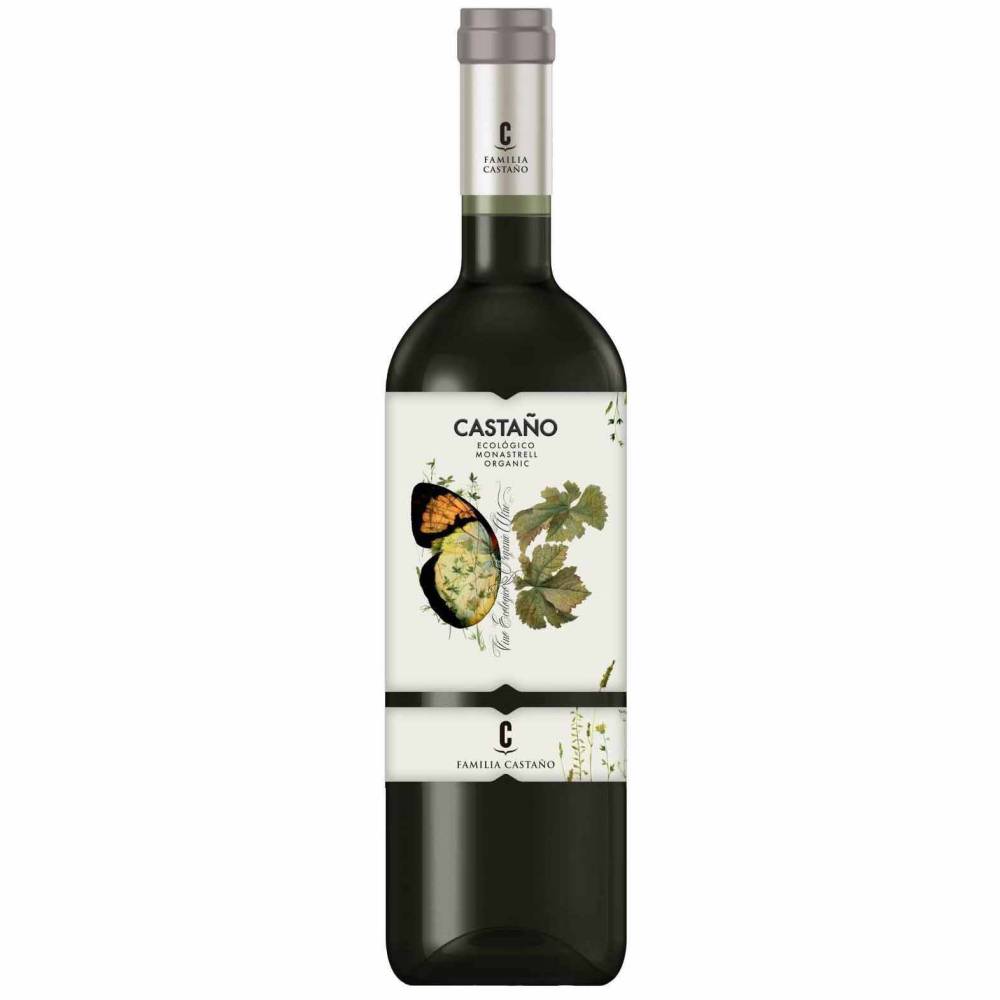
This organic, vegan red made from the Monastrell (a.k.a. Mourvèdre) grape offers aromas of earth, stewed plum, raspberry, red licorice and ripe cherry.
It’s dry and medium-bodied and quite juicy, with loads of plum, cherry, red licorice, chocolate and spice coming through on the palate along with modest acidity and tannins and a slightly warm finish (it’s 14 per cent alcohol).
Try with souvlaki, pasta in a marinara sauce or burgers. 3/5
Bodegas Atalaya 2021 Laya (Almansa, Spain — $15.99, Liquor Marts and beyond)
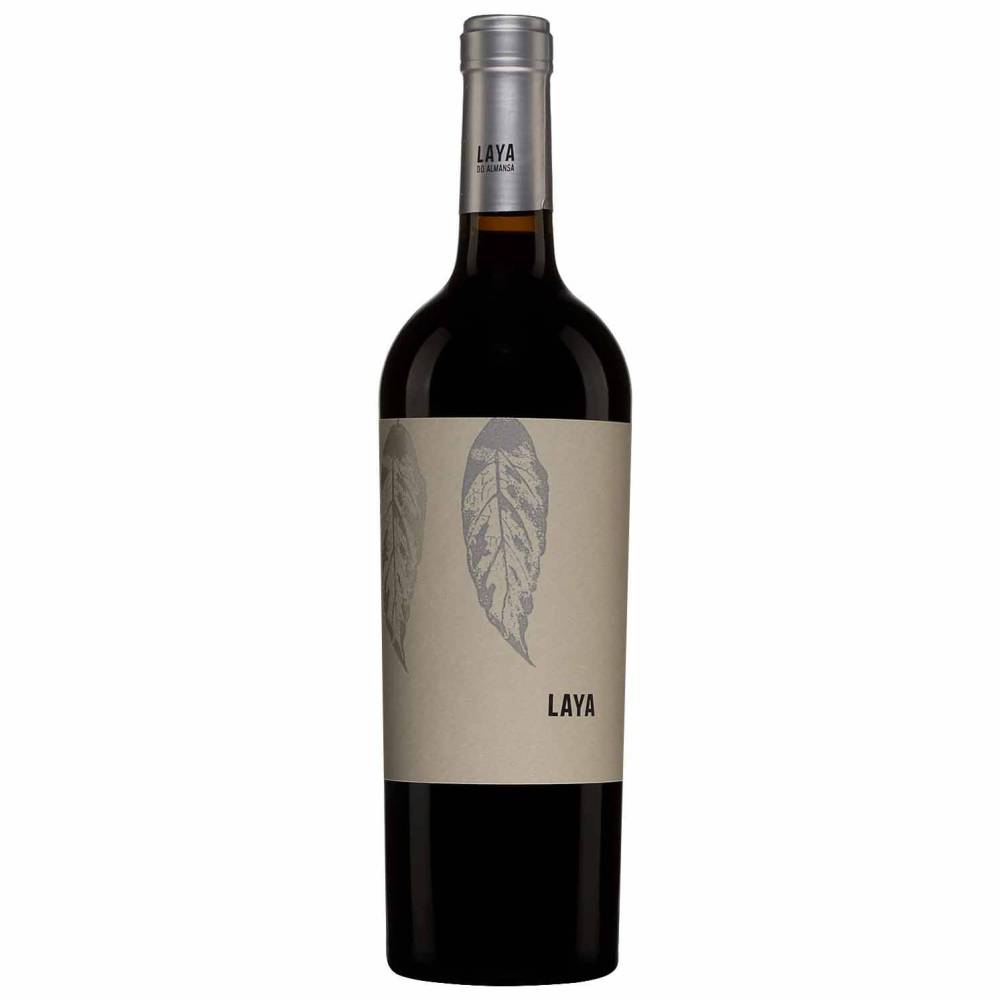
A blend of Garnacha Tintorera (also known as Alicante Bouschet) and Monastrell (a.k.a. Mourvèdre) grown on bush vines, this Spanish red comes loaded with plum, blackberry, violet and blueberry aromas as well as a hint of lacquer.
It’s dry, full-bodied and quite concentrated, with punchy dark berry, licorice and plum flavours front and centre, mild resinous/lacquer notes (from four months in barrels), dense and chewy tannins and a long, warm finish from the 14.5 per cent alcohol.
Give this a mild chill, pour into a glass and let it breathe for about 15 minutes; try with ribs or all manner of grilled meats. 3.5/5
uncorked@mts.net
@bensigurdson
Ben Sigurdson
Literary editor, drinks writer
Ben Sigurdson is the Free Press‘s literary editor and drinks writer. He graduated with a master of arts degree in English from the University of Manitoba in 2005, the same year he began writing Uncorked, the weekly Free Press drinks column. He joined the Free Press full time in 2013 as a copy editor before being appointed literary editor in 2014. Read more about Ben.
In addition to providing opinions and analysis on wine and drinks, Ben oversees a team of freelance book reviewers and produces content for the arts and life section, all of which is reviewed by the Free Press’s editing team before being posted online or published in print. It’s part of the Free Press‘s tradition, since 1872, of producing reliable independent journalism. Read more about Free Press’s history and mandate, and learn how our newsroom operates.
Our newsroom depends on a growing audience of readers to power our journalism. If you are not a paid reader, please consider becoming a subscriber.
Our newsroom depends on its audience of readers to power our journalism. Thank you for your support.
Ben Sigurdson
Literary editor, drinks writer
Ben Sigurdson is the Free Press‘s literary editor and drinks writer. He graduated with a master of arts degree in English from the University of Manitoba in 2005, the same year he began writing Uncorked, the weekly Free Press drinks column. He joined the Free Press full time in 2013 as a copy editor before being appointed literary editor in 2014. Read more about Ben.
In addition to providing opinions and analysis on wine and drinks, Ben oversees a team of freelance book reviewers and produces content for the arts and life section, all of which is reviewed by the Free Press’s editing team before being posted online or published in print. It’s part of the Free Press‘s tradition, since 1872, of producing reliable independent journalism. Read more about Free Press’s history and mandate, and learn how our newsroom operates.
Our newsroom depends on a growing audience of readers to power our journalism. If you are not a paid reader, please consider becoming a subscriber.
Our newsroom depends on its audience of readers to power our journalism. Thank you for your support.
Advertisement Advertise With Us
Advertisement Advertise With Us