What’s in a wine label? Does glassware make a difference?
Free Press wine expert shares answers to common reader questions

Advertisement
Read this article for free:
or
Already have an account? Log in here »
To continue reading, please subscribe:

Digital Subscription
One year of digital access for only $205*
- Enjoy unlimited reading on winnipegfreepress.com
- Read the E-Edition, our digital replica newspaper
- Access News Break, our award-winning app
- Play interactive puzzles
*First annual payment billed as $205.00 + GST for one year. This annual subscription will automatically renew at $233.00 + GST every 52 weeks (10% off the regular annual price of $259.35). Offer available to new and qualified returning subscribers only. Cancel any time.
To continue reading, please subscribe:
Add Free Press access to your Brandon Sun subscription for only an additional
$1 for the first 4 weeks*
- Enjoy unlimited reading on winnipegfreepress.com
- Read the E-Edition, our digital replica newspaper
- Access News Break, our award-winning app
- Play interactive puzzles
*Your next Brandon Sun subscription payment will increase by $1.00 and you will be charged $17.95 plus GST for four weeks. After four weeks, your payment will increase to $24.95 plus GST every four weeks.
Read unlimited articles for free today:
or
Already have an account? Log in here »
Hey there, time traveller!
This article was published 06/04/2024 (919 days ago), so information in it may no longer be current.
It’s time to reach into the old Uncorked mailbag and field a few questions…
Are “reserve” wines better?
For the most part, the answer to this question depends on where the wine is coming from. Most Old World (read: European) countries have more strict rules and regulations around wine labelling, including when it comes to using the words “reserve” or “grand reserve” (or “reserva” and “gran reserva,” depending on the country). A “reserve” wine will typically have a minimum age requirement either in barrel, bottle or both before it’s released, all of which depends on where the wine’s coming from.
Most New World wine-producing countries, meanwhile, don’t have regulations around using the word “reserve” (other popular but essentially meaningless terms on New World wines include “vintner’s reserve,” “winemaker’s selection” and so on). It’s not uncommon to see some producers in Chile and Argentina in particular play a little loose with such words — for example, there are plenty of entry-level wines from the South American countries which sport “reserve” or “reserva” on the label, even if said wine is the lowest rung on the proverbial ladder.
How long should I age a bottle of wine?
Almost any bottle of wine you pick up at your local shop that costs under $25 should be aged in the car on the way home, and that’s about it. Generally speaking, wines in this price range are meant to be drunk right away.
Typically, less expensive wines see less or no time in oak barrels — vessels whose aging process helps structure a wine for cellaring. Value-priced (read: cheaper) wines are often also made from more “average” fruit sourced from larger plots (versus pricier wines, which are often made using the best grapes often grown in a single vineyard or sourced from the best plots).
Wines in this price point won’t go bad if you tuck them away for, say, two to three years, but they’ll start losing the some of the freshness, acidity and (in the instance of reds) tannin the winemaker intended you to enjoy upon its release.
For pricier wines, do some research online as to what reviewers have said about aging potential, as even more expensive bottles aren’t always built for the cellar.
How long should I chill my white wine? Can I serve a red chilled?
Generally speaking, the lighter a white wine’s colour, the longer you should chill it before serving. Pale, lighter wines such as Sauvignon Blanc, Pinot Grigio, Vinho Verde, young Riesling and the like can be chilled right down, whereas deeper-coloured whites such as Chardonnay, Viognier and the like show best with slightly less of a chill. (Roughly speaking, the same colour test can be applied to rosés.)
As for reds, popping them in the fridge for 10 to 15 minutes rarely hurts. We tend to serve our “room temperature” wines too warm — the back label on most reds indicates 16-18 C is the ideal serving temp. Unless your thermostat reads in that range as well, chances are your red will benefit from a slight chill. (For younger, lighter and fruit-forward reds such as Beaujolais/Gamay, New World Pinot Noir and the like, an extra 10 minutes won’t hurt.)
As for sparkling, chill cavas, proseccos and other not-too-serious bubblies right down as you would a lighter white before serving. Higher-end sparkling wine (including champagne) can come out of the fridge a bit earlier so the flavours aren’t too muted by overchilling.
There are no rules, of course, but experimenting with a wine’s temperature when served can really impact the flavour. If your very-chilled white seems a little bland or muted, for example, leave it out for 10 to 15 minutes and revisit. Alternately, if the tannins in your red are overwhelming the fruit, pop it in the fridge for a few minutes and retry.
Should I use a champagne flute for sparkling wine?
If it’s flavour you’re after, the narrow champagne flute, while visually appealing, isn’t the best glass for tasting sparkling wine. A standard white wine glass offers your bubbly more room to breathe, and gives you the chance to swirl the wine, which releases more of the aromatic and flavour compounds. (Swirling your bubbly in a champagne flute, meanwhile, is a one-way ticket to spillage.)
That’s not to say you should ditch your champagne flutes — they’re fun and festive glasses for drinking bubbly, and because they’re narrower, they keep sparkling wine fizzier for longer than your standard, wider wine glass.
Have questions about wine? Send me an email or find me on social media, and I’ll do my best to provide an answer.
Wines of the week
Errazuriz Max Sauvignon Blanc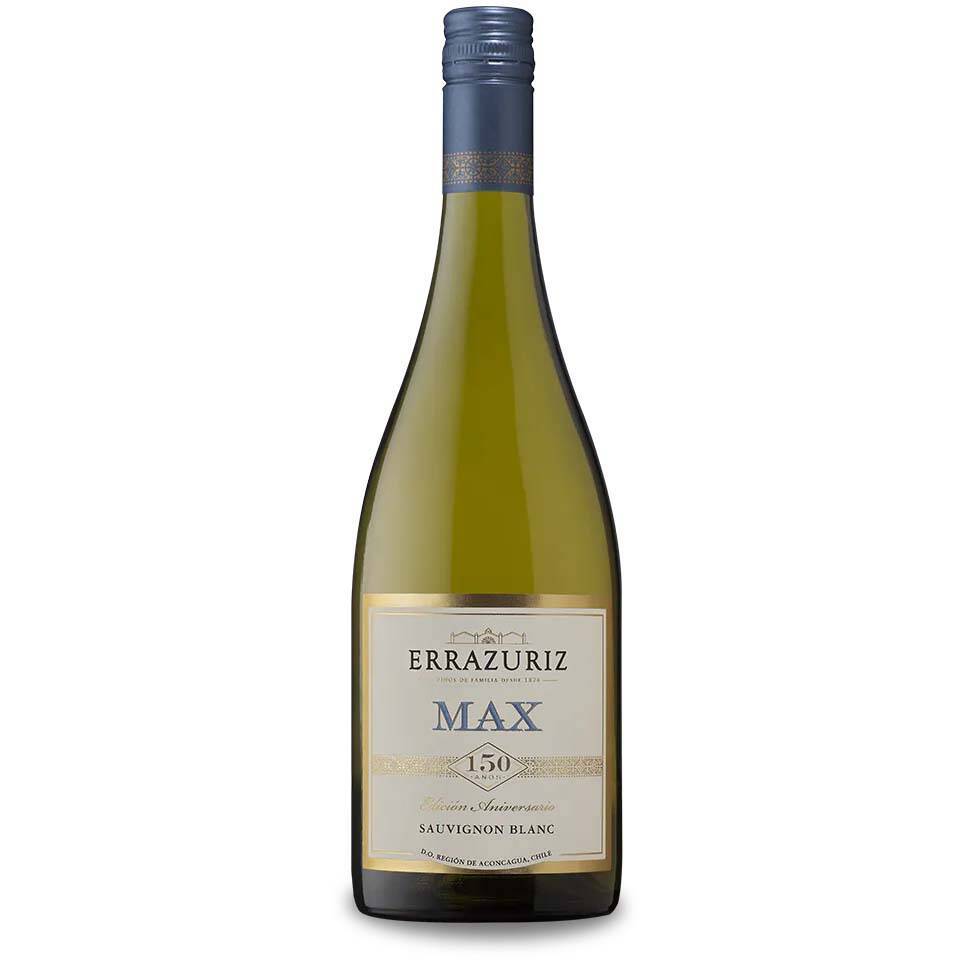
Errazuriz 2021 Max Sauvignon Blanc (Aconcagua, Chile — $18.89, Liquor marts and beyond)
This Sauvignon Blanc is made from grapes grown less than 30 kilometres from the Chilean coast; as such, cooler breezes from the Pacific Ocean and morning fog both impact the growing season.
The wine is pale straw in colour and aromatically offers grapefruit pith, gooseberry, green apple and hints of bell pepper as well as a subtle saline note.
It’s bone-dry, light-bodied and lively, with mouth-watering acidity ramping up the tart green/citrus fruit flavours, while a subtle bitterness remains from the pepper component. On sale until the end of April (it regularly retails for $20.99). 3.5/5
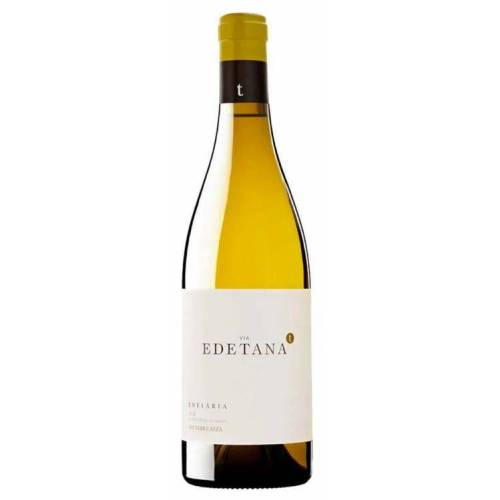
Edetària white
Via Edetana 2021 Edetària white (Terra Alta, Spain — around $27, private wine stores)
A 70-30 blend of Garnatxa Blanca and Viognier grapes, this organic Spanish white offers nectarine, white peach, floral, pear and subtle honey notes on the nose.
It’s medium-bodied, dry and viscous, with ripe pear and peach flavours working well with subtle saline and nutty notes, hints of honeycomb and a lovely lingering finish (it’s 13.5 per cent alcohol).
If it was aged in oak, it was surely older/larger barrels, as woody notes aren’t prevalent at all, while acidity here is also modest. Drink now with all manner of white fish, baked brie, salads or hors d’oeuvres. 4/5
Heartland Shiraz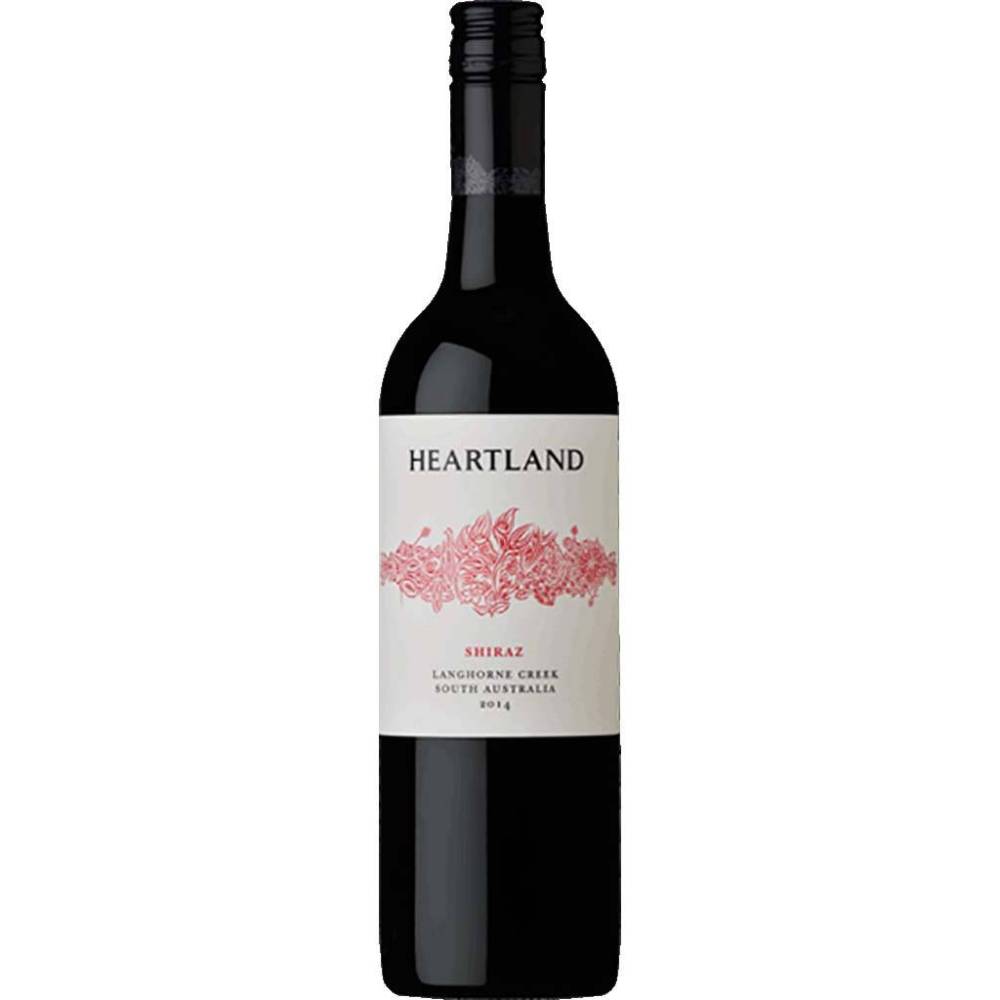
Heartland 2020 Shiraz (Langhorne Creek, Australia — $19.49, Liquor Marts and beyond)
Deep purplish-cherry in colour, there’s a lovely violet note aromatically that comes with black cherry, cracked pepper, spice, plum and raspberry notes.
It’s a dense and chewy, full-bodied red, delivering dark red fruit and meaty flavours, along with black tea, white pepper, licorice and plum flavours, chewy tannins and a long, warm finish (it’s 14.5 per cent alcohol).
This gutsy red is drinking nicely now, but could easily be set aside for 3-4 years. A very good value. 4.5/5
uncorked@mts.net
@bensigurdson
Ben Sigurdson
Literary editor, drinks writer
Ben Sigurdson is the Free Press‘s literary editor and drinks writer. He graduated with a master of arts degree in English from the University of Manitoba in 2005, the same year he began writing Uncorked, the weekly Free Press drinks column. He joined the Free Press full time in 2013 as a copy editor before being appointed literary editor in 2014. Read more about Ben.
In addition to providing opinions and analysis on wine and drinks, Ben oversees a team of freelance book reviewers and produces content for the arts and life section, all of which is reviewed by the Free Press’s editing team before being posted online or published in print. It’s part of the Free Press‘s tradition, since 1872, of producing reliable independent journalism. Read more about Free Press’s history and mandate, and learn how our newsroom operates.
Our newsroom depends on a growing audience of readers to power our journalism. If you are not a paid reader, please consider becoming a subscriber.
Our newsroom depends on its audience of readers to power our journalism. Thank you for your support.
Ben Sigurdson
Literary editor, drinks writer
Ben Sigurdson is the Free Press‘s literary editor and drinks writer. He graduated with a master of arts degree in English from the University of Manitoba in 2005, the same year he began writing Uncorked, the weekly Free Press drinks column. He joined the Free Press full time in 2013 as a copy editor before being appointed literary editor in 2014. Read more about Ben.
In addition to providing opinions and analysis on wine and drinks, Ben oversees a team of freelance book reviewers and produces content for the arts and life section, all of which is reviewed by the Free Press’s editing team before being posted online or published in print. It’s part of the Free Press‘s tradition, since 1872, of producing reliable independent journalism. Read more about Free Press’s history and mandate, and learn how our newsroom operates.
Our newsroom depends on a growing audience of readers to power our journalism. If you are not a paid reader, please consider becoming a subscriber.
Our newsroom depends on its audience of readers to power our journalism. Thank you for your support.
Advertisement Advertise With Us
Advertisement Advertise With Us