Out with the old-world terminology and in with the new

Advertisement
Read this article for free:
or
Already have an account? Log in here »
To continue reading, please subscribe:

Digital Subscription
One year of digital access for only $205*
- Enjoy unlimited reading on winnipegfreepress.com
- Read the E-Edition, our digital replica newspaper
- Access News Break, our award-winning app
- Play interactive puzzles
*First annual payment billed as $205.00 + GST for one year. This annual subscription will automatically renew at $233.00 + GST every 52 weeks (10% off the regular annual price of $259.35). Offer available to new and qualified returning subscribers only. Cancel any time.
To continue reading, please subscribe:
Add Free Press access to your Brandon Sun subscription for only an additional
$1 for the first 4 weeks*
- Enjoy unlimited reading on winnipegfreepress.com
- Read the E-Edition, our digital replica newspaper
- Access News Break, our award-winning app
- Play interactive puzzles
*Your next Brandon Sun subscription payment will increase by $1.00 and you will be charged $17.95 plus GST for four weeks. After four weeks, your payment will increase to $24.95 plus GST every four weeks.
Read unlimited articles for free today:
or
Already have an account? Log in here »
Hey there, time traveller!
This article was published 06/07/2024 (831 days ago), so information in it may no longer be current.
Regular readers of this column will have seen the terms “Old World” and “New World” bandied about.
These terms have been around in the wine lexicon for decades — but are they still useful and relevant?
Geographically speaking, “Old World” typically means Europe and “New World,” well, pretty much everyone else. That still works.
But Old/New World has more commonly been used by wine geeks to describe a wine’s stylistic traits. A New World-style wine typically brings big, ripe fruit flavours, often with higher alcohol content, with reds tending to bring almost-sweet, vanilla-driven oak notes.
Wines described as Old World in style tend to bring more nuanced and often rustic notes more reflective of their terroir (soil, geology, altitude, etc.).
For a long time the geographic and stylistic descriptors lined up — wines made in Europe tended to be more nuanced, while those made elsewhere were more fruit-driven.
But over the last couple of decades, a convergence of styles, our changing climate and the expansion of wine-producing regions have thrown a wrench into the Old/New World stylistic divide.
For starters, many non-European producers have been pursuing more nuance and restraint in their winemaking that better reflects their terroir, dialing back the jammy fruit, alcohol and oak usage. New French and American 225-litre oak barrels — which were long in fashion with New World producers looking to make big, oaky wines — have been swapped out for larger, older oak vessels that impart less flavour, or for neutral concrete or stainless steel tanks.
In other words, it’s become less about what winemaking tricks in their arsenal and more about the chance to showcase the qualities of where the wine is made.
In many Old World wine-producing regions, warmer temperatures during the growing season have seen grapes get riper faster, resulting in higher sugar levels, which in turn results in more ripeness and higher alcohol — in other words, slightly more New World in style.
Our planet’s changing climate has also resulted in the expansion of wine-producing regions — from the rise of sparkling wine made in the south of England to premium cool-climate wines from Tasmania in Australia, the Bio-Bio Valley in southern Chile, Patagonia in Argentina and Nova Scotia right here in Canada, for example. Many of these lighter-bodied wines, with more acidity and nuance, aren’t as easily categorized stylistically.
All of which is to say that maybe it’s time for this writer to re-think the language used here to write about wine — out with the Old and the New, as it were.
Wines of the week
OK, here goes — no Old/New World references in this week’s notes. I can do this…
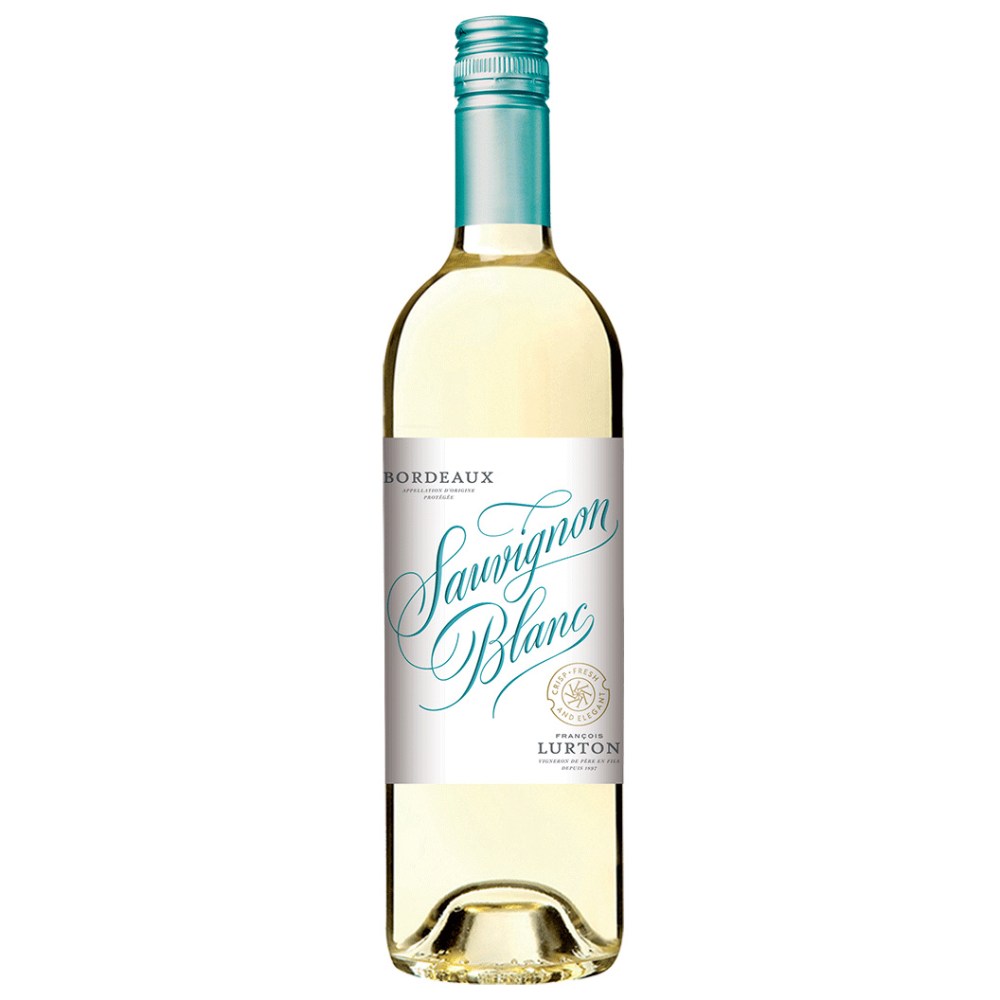
François Lurton 2023 Sauvignon Blanc (Bordeaux, France — $14.99, Liquor Marts and beyond)
Very pale straw in colour, this Sauvignon Blanc leads with chalky and green apple skin notes, followed by subtle herbal and lemon zest aromas. it’s dry and light-bodied, with the green apple and lemon flavours front and centre along with secondary chalky and tropical fruit notes. And while there’s a decent dollop of acidity, it’s not as racy as Sauvignon Blanc in New Zealand or Chile, also managing to avoid the green/jalapeño pepper and grassy notes sometimes found in those wines. It’s more subtle, more restrained and on sale until the end of July (it’s regularly $16.99), making it an even better value. 3/5
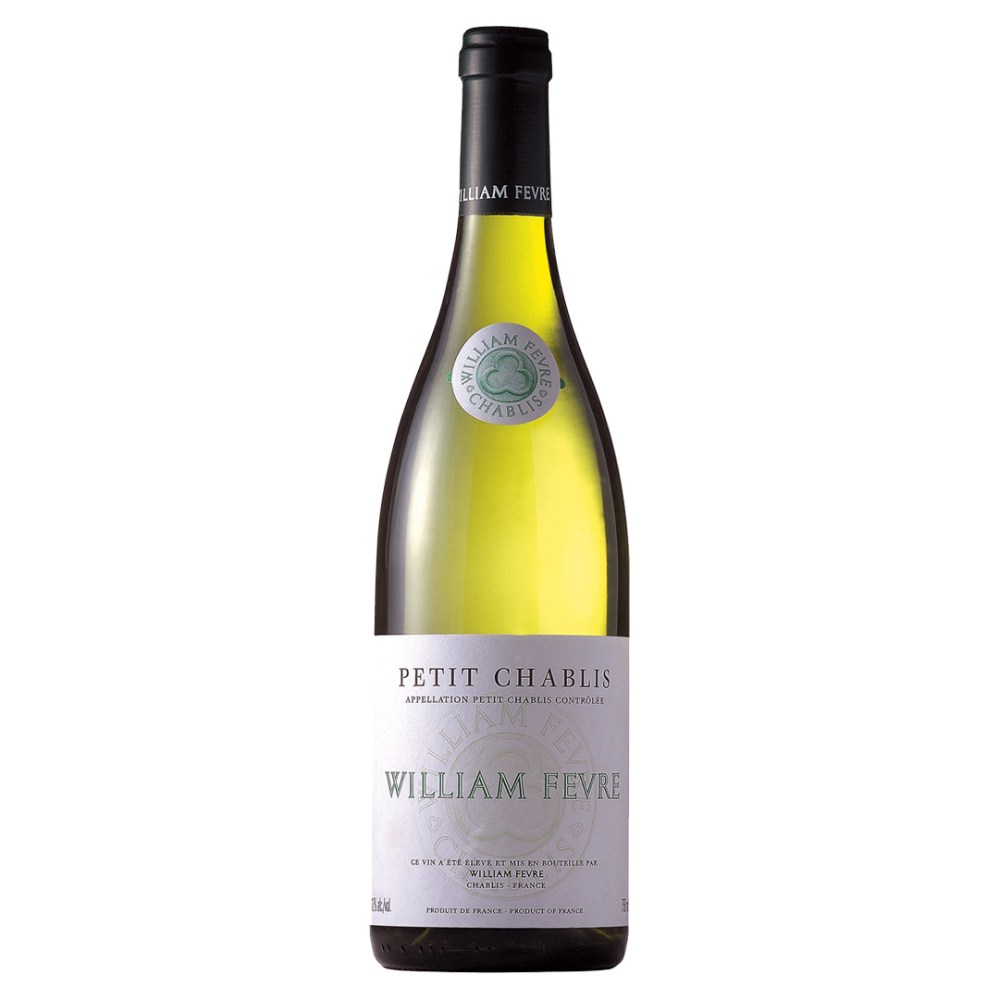
William Fèvre 2021 Petit Chablis (Burgundy, France — $39.99, Liquor Marts and beyond)
Pale gold in colour, this French white made from Chardonnay brings bright aromas red apple, peach, pear, lemon zest and hints of chalky minerality. It’s light-plus bodied and dry, with fresh, red apple, pear and peach flavours, chalky lemon notes, modest acidity and no notable oak influence (it’s mainly aged in neutral vessels). It’s delicious, offering restrained ripeness and complexity; it’s the cure for those who think they hate Chardonnay because they’ve had too many creamy, overripe, over-oaked examples. 4.5/5
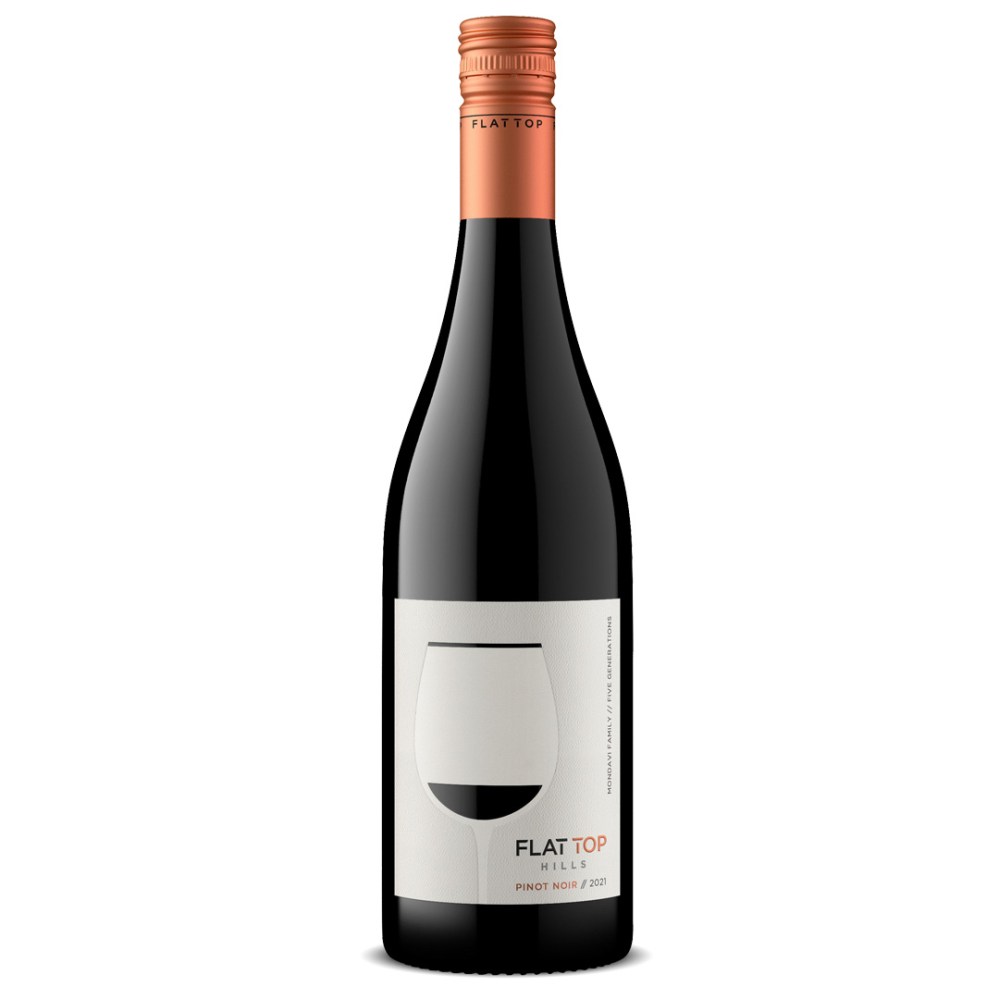
Flat Top Hills 2021 Pinot Noir (California — $19.74, Liquor Marts and beyond)
Medium garnet in colour, this California Pinot Noir offers aromas of ripe cherries and plums as well as violet, earth and subtle vanilla notes. It’s light-plus bodied and mainly dry, with ripe cherry and plum notes as well as earthy, cola, raspberry and modest vanilla notes that add depth. It’s 14.5 per cent alcohol but manages not to come across as excessively hot or overripe/overcooked. A solid Pinot for the price, especially as it’s on sale until the end of July (it’s regularly $21.99). Try with grilled salmon. 3.5/5
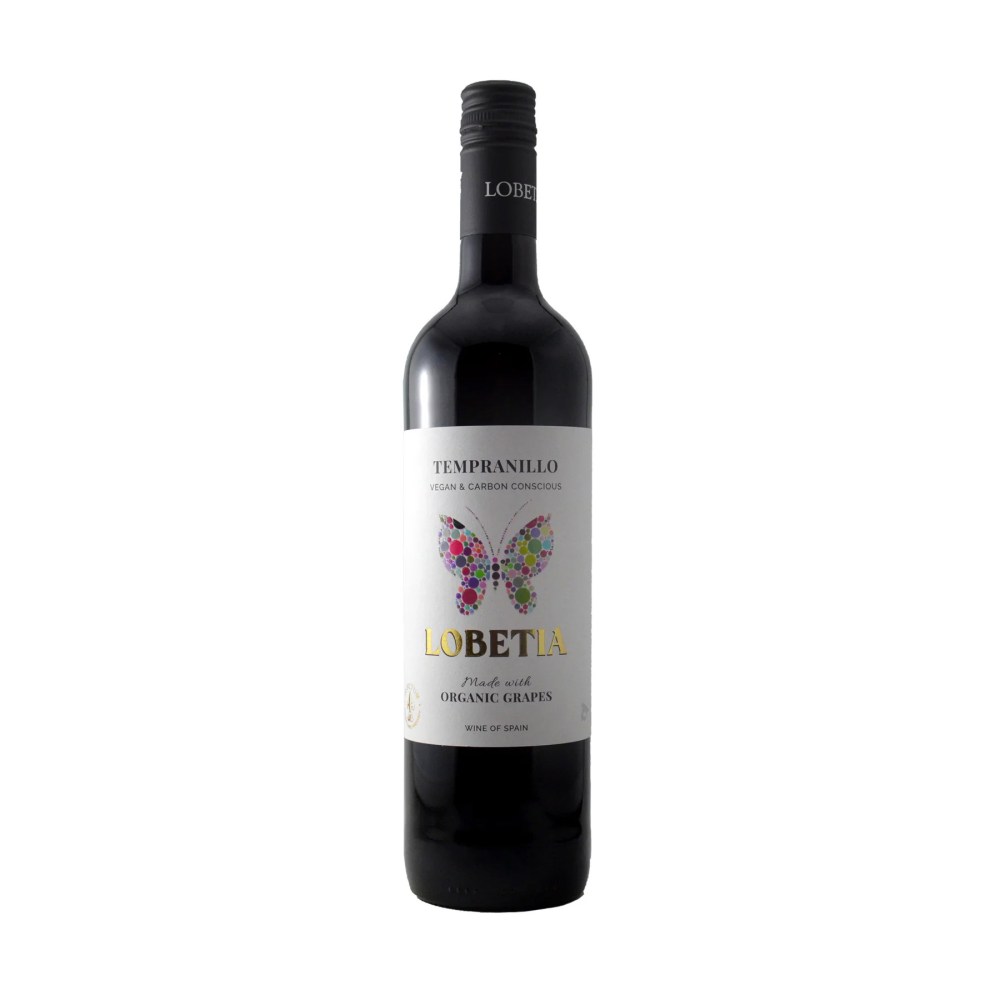
Dominio de Punctum 2021 Lobetia Tempranillo (Vino de la Tierra de Castilla, Spain — around $17, private wine stores)
This organic, vegan Spanish red is deep purple in colour and brings fresh plum, blackberry, raspberry and mocha aromas. Medium-plus bodied and dry, the dark berry flavours here are ripe (but not jammy) and fresh, with a white pepper and meaty component coming along for the ride with hints of mocha and spice, light tannins and a medium-length finish. There’s a reason this wine can be found on many restaurant wine lists in Winnipeg — it would work with charcuterie, pizza, burgers and the like and is available at most private wine stores in Winnipeg. 3.5/5
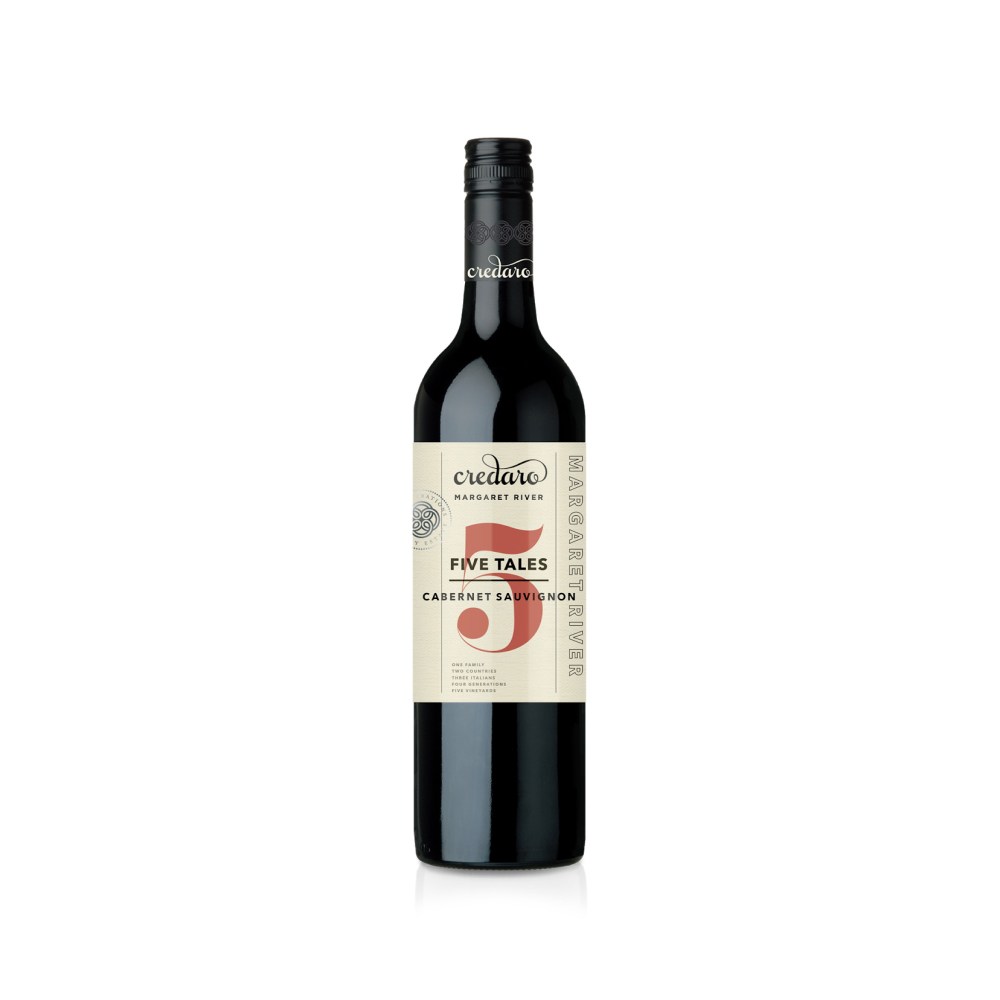
Credaro 2022 Five Tales Cabernet Sauvignon (Margaret River, Australia — $21.99, Liquor Marts and beyond)
There’s a lovely purity to the cassis, blackberry and blueberry aromas on this western Aussie Cabernet Sauvignon that comes with hints of violet, anise and eucalyptus. On the medium-plus bodied palate the ripe (but not sweet) dark berry flavours show brilliantly, with subtle vanilla and spice from modest barrel aging, medium-grippy tannins, a dollop of acidity and a medium-length, slightly warm finish (it’s 14 per cent alcohol). A tasty Cab that offers both ripeness and elegance, and is drinking beautifully right now — well done. 4/5
uncorked@mts.net
@bensigurdson
Ben Sigurdson
Literary editor, drinks writer
Ben Sigurdson is the Free Press‘s literary editor and drinks writer. He graduated with a master of arts degree in English from the University of Manitoba in 2005, the same year he began writing Uncorked, the weekly Free Press drinks column. He joined the Free Press full time in 2013 as a copy editor before being appointed literary editor in 2014. Read more about Ben.
In addition to providing opinions and analysis on wine and drinks, Ben oversees a team of freelance book reviewers and produces content for the arts and life section, all of which is reviewed by the Free Press’s editing team before being posted online or published in print. It’s part of the Free Press‘s tradition, since 1872, of producing reliable independent journalism. Read more about Free Press’s history and mandate, and learn how our newsroom operates.
Our newsroom depends on a growing audience of readers to power our journalism. If you are not a paid reader, please consider becoming a subscriber.
Our newsroom depends on its audience of readers to power our journalism. Thank you for your support.
Ben Sigurdson
Literary editor, drinks writer
Ben Sigurdson is the Free Press‘s literary editor and drinks writer. He graduated with a master of arts degree in English from the University of Manitoba in 2005, the same year he began writing Uncorked, the weekly Free Press drinks column. He joined the Free Press full time in 2013 as a copy editor before being appointed literary editor in 2014. Read more about Ben.
In addition to providing opinions and analysis on wine and drinks, Ben oversees a team of freelance book reviewers and produces content for the arts and life section, all of which is reviewed by the Free Press’s editing team before being posted online or published in print. It’s part of the Free Press‘s tradition, since 1872, of producing reliable independent journalism. Read more about Free Press’s history and mandate, and learn how our newsroom operates.
Our newsroom depends on a growing audience of readers to power our journalism. If you are not a paid reader, please consider becoming a subscriber.
Our newsroom depends on its audience of readers to power our journalism. Thank you for your support.
Advertisement Advertise With Us
Advertisement Advertise With Us