Under the Tuscan sun
Chianti’s red wines range from fresh and fruity to big and bold

Advertisement
Read this article for free:
or
Already have an account? Log in here »
To continue reading, please subscribe:

Digital Subscription
One year of digital access for only $205*
- Enjoy unlimited reading on winnipegfreepress.com
- Read the E-Edition, our digital replica newspaper
- Access News Break, our award-winning app
- Play interactive puzzles
*First annual payment billed as $205.00 + GST for one year. This annual subscription will automatically renew at $233.00 + GST every 52 weeks (10% off the regular annual price of $259.35). Offer available to new and qualified returning subscribers only. Cancel any time.
To continue reading, please subscribe:
Add Free Press access to your Brandon Sun subscription for only an additional
$1 for the first 4 weeks*
- Enjoy unlimited reading on winnipegfreepress.com
- Read the E-Edition, our digital replica newspaper
- Access News Break, our award-winning app
- Play interactive puzzles
*Your next Brandon Sun subscription payment will increase by $1.00 and you will be charged $17.95 plus GST for four weeks. After four weeks, your payment will increase to $24.95 plus GST every four weeks.
Read unlimited articles for free today:
or
Already have an account? Log in here »
Hey there, time traveller!
This article was published 01/02/2025 (603 days ago), so information in it may no longer be current.
For some, Chianti might conjure up the nostalgic image of checkered tablecloths and wicker-adorned jugs of simple wine to wash down a plate of spaghetti. Others might associate the Tuscan red wine with another well-known but dubious pairing courtesy of one Hannibal Lecter (shudder) — liver and fava beans.
But not all Chiantis are created equal, and with dozens of wines from the region occupying shelf space at both Liquor Marts and private wine stores, it can be tricky to separate the good from the bad. Knowing a bit about the region, the classification system and labelling of Chianti wines can help maximize the bang for your buck.
Located in central Italy in the Tuscany region, wine production in Chianti (pronounced “key-AUNTIE”) goes back centuries; other than the Prosecco region, Chianti produces more wine grapes than any other region in Italy — around 85 million bottles every year.
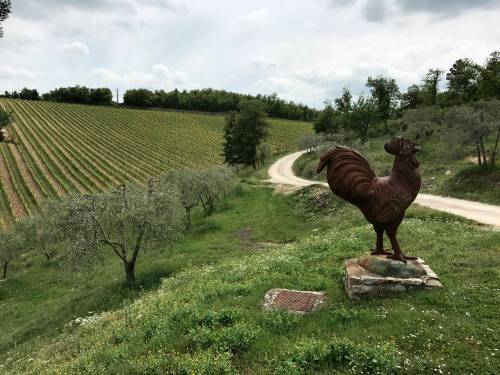
Courtney Bonnell / Associated Press files The black rooster is a symbol associated with the Chianti Classico region, and can be found on all bottles coming from the Chianti sub-appellation.
Red wine production in Chianti is based primarily on the Sangiovese grape, a variety that does well in the region’s Mediterranean climate of warm summers and relatively mild winters. It’s quite a thin-skinned red grape variety, meaning your typical entry-level Chianti won’t be as deep in colour or tannic as thicker-skinned red grapes.
To be labelled a Chianti under the Denominazione di Origine Controllata e Garantita (DOCG) regulations, a wine must contain at least 70 per cent Sangiovese, with the balance typically made up of other red wine grapes such as indigenous varieties including Colorino or Canaiolo, or international varieties such as Syrah or Cabernet Sauvignon. Chianti must be aged for six months (in tank, barrel and/or bottle) before release, while a “Chianti Riserva” has to be aged for a minimum of 24 months.
Flavour-wise, the variety typically brings red fruit and herbal notes, with pronounced acidity and modest tannins, which is in part what makes entry-level Chianti such a good food wine, particularly with tangy red sauce-based dishes such as pizza or pasta.
Within Chianti are sub-regions such as Chianti Rufina and Chianti Colli Senesi (as an equivalent, think of VQA wines labelled “Ontario” versus “Niagara Peninsula”). Wines from these smaller regions will be labelled accordingly, and tend to be more deeply concentrated in flavour and colour, with the potential for short-term aging.
The main sub-region of note is Chianti Classico, a slightly more elevated area altitude-wise which is nestled at the centre of the larger Chianti region. Sporting a black rooster either on the label or neck of the bottle, Chianti Classico wines brings more body, depth of flavour and acidity than general Chianti wines.
Chianti Classico wines must contain at least 80 per cent Sangiovese grapes, and there are three tiers of aging/quality in the region: Chianti Classico (12 months aging before release), Chianti Classico Riserva (24 months aging) and Gran Selezione (minimum of 30 months aging). This aging can be done in some combination of barrels or tanks and in the bottle. Chianti Classico wines are generally heartier than plain old Chianti, and tend to work well with heartier stews and meats (think osso buco).
If you’re thinking the mandatory minimum quantity of Sangiovese required and the parameters around aging all seems restrictive, you’re not alone. About 50 years ago, some producers in the region decided they wanted to flex their winemaking muscles a bit and try making reds in the region based on grapes other than Sangiovese. Under DOCG regulations, however, that’s not allowed if you want your wine to carry the Chianti designation.
Producers opted to make the wines anyway, with the resulting products sporting the more general “Toscana” appellation on the label rather than “Chianti.” Over time these wines became increasingly innovative and sought after, and some are now among the priciest wines to come from region. Dubbed “Super Tuscans,” these reds are often made in a more modern and concentrated style, typically based on some blend of Cabernet Sauvignon, Merlot, Syrah and/or other varieties, and often eschewing Sangiovese altogether. Super Tuscans are prized by collectors, and can often be cellared for many years.
One of the best things about Chianti’s reds is that even the entry-level stuff is typically tasty, even if they’re not the most complex wines put to bottle — they tend to range from inoffensive to charming, with the best bringing tangy hints of rustic Tuscany.
And for those looking to go old-school Chianti, there may be one or two wicker-lined flasks available periodically at Winnipeg private wine stores (as of this writing, De Nardi Wines had one listed on their website).
uncorked@mts.net
@bensigurdson
Wines of the week
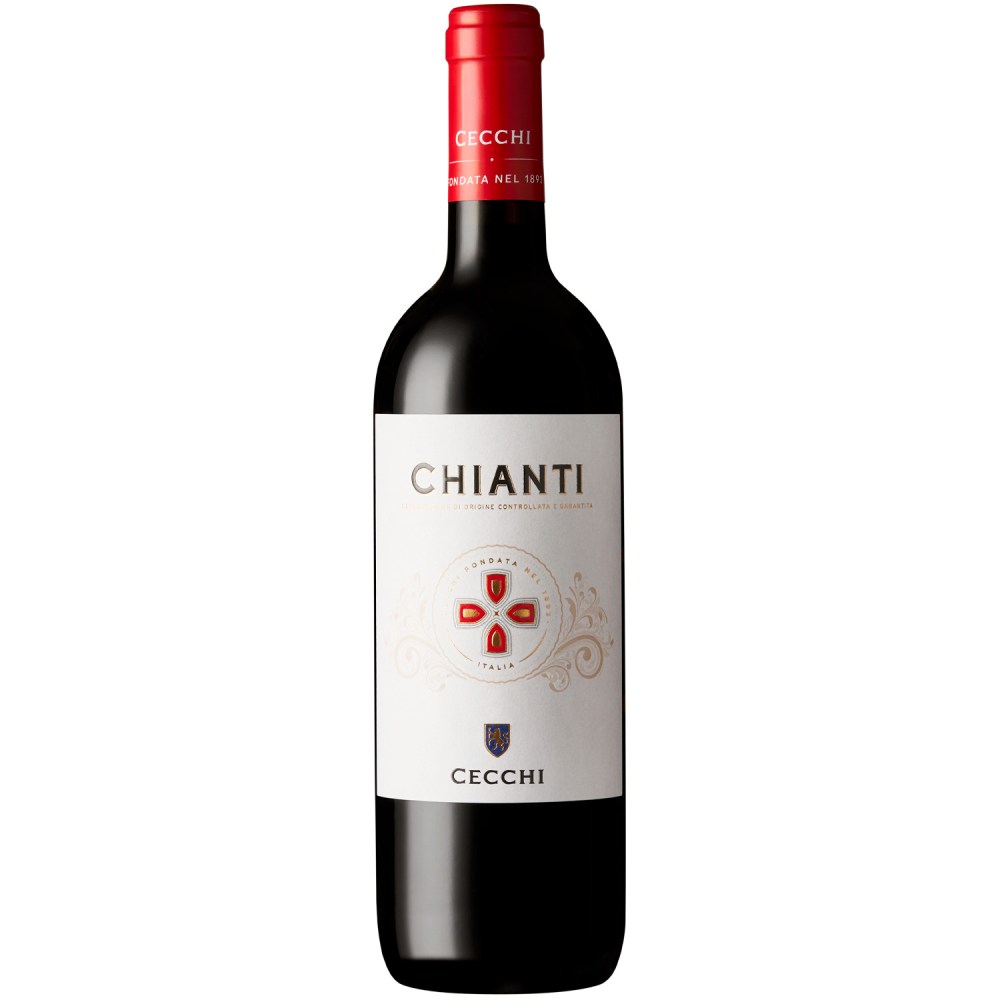
Cecchi 2022 Chianti (Tuscany, Italy — $16.99, Liquor Marts and beyond)
Ruby red in colour, this entry-level Chianti offers violet, raspberry and mocha notes on the nose. It’s medium-bodied and dry but juicy, with lively raspberry and cherry flavours thanks to a splash of acidity, hints of white pepper and licorice, light tannins and, at 13 per cent alcohol, a failrly short finish. Easy-going and cheerful, this is typical entry-level Chianti — chill for 15 minutes and enjoy. 3/5
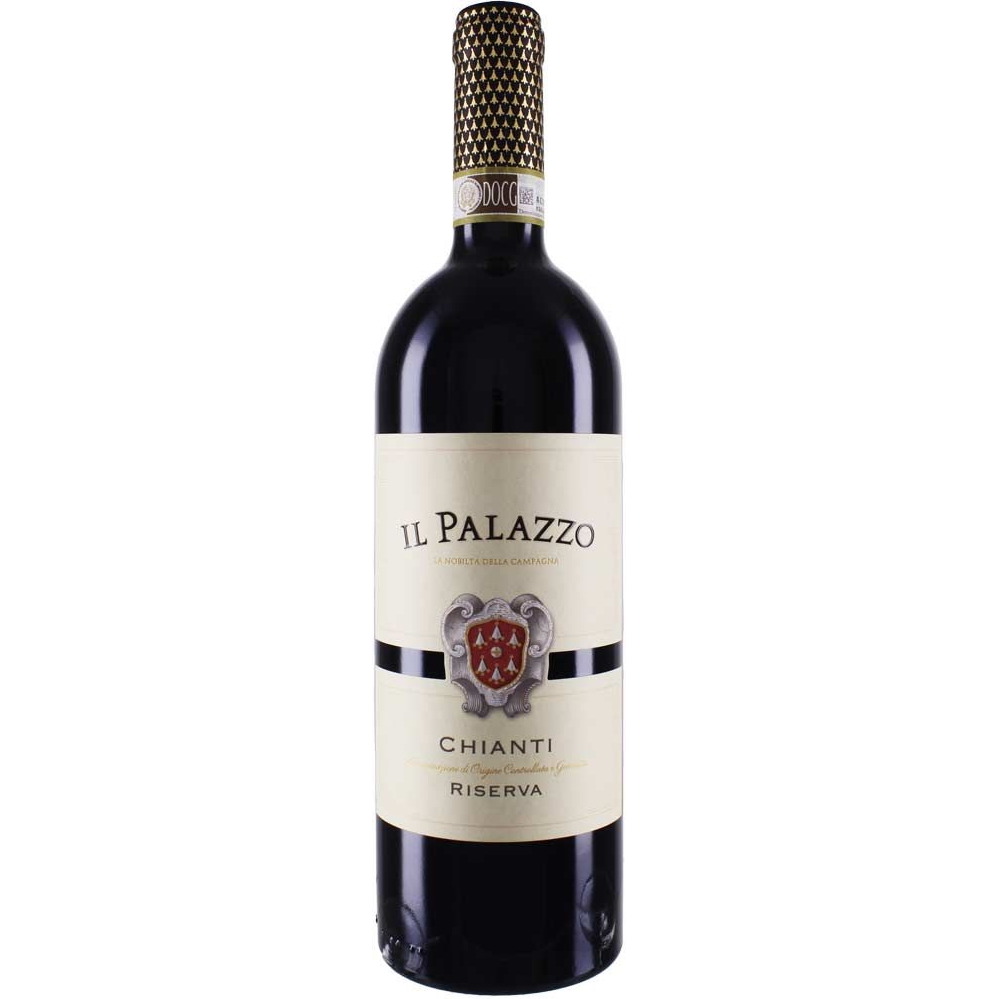
Il Palazzo 2021 Chianti Riserva (Tuscany, Italy — $31.99, Jones & Company)
Inky ruby in colour, this reserve Chianti offers deep plum, cherry, earth, violet and lacquer notes aromatically. It’s a dry, full-bodied red that delivers loads of blackbery, plum and raspberry flavours along with white pepper, spice and cocoa. The tannins are grippy but not harsh, and the finish (it’s 14 per cent alcohol) lingers with some warmth. Fermented in 500 and 2,000-litre barrels before spending some time in the bottle; drink now or in the next 18-24 months. 4/5
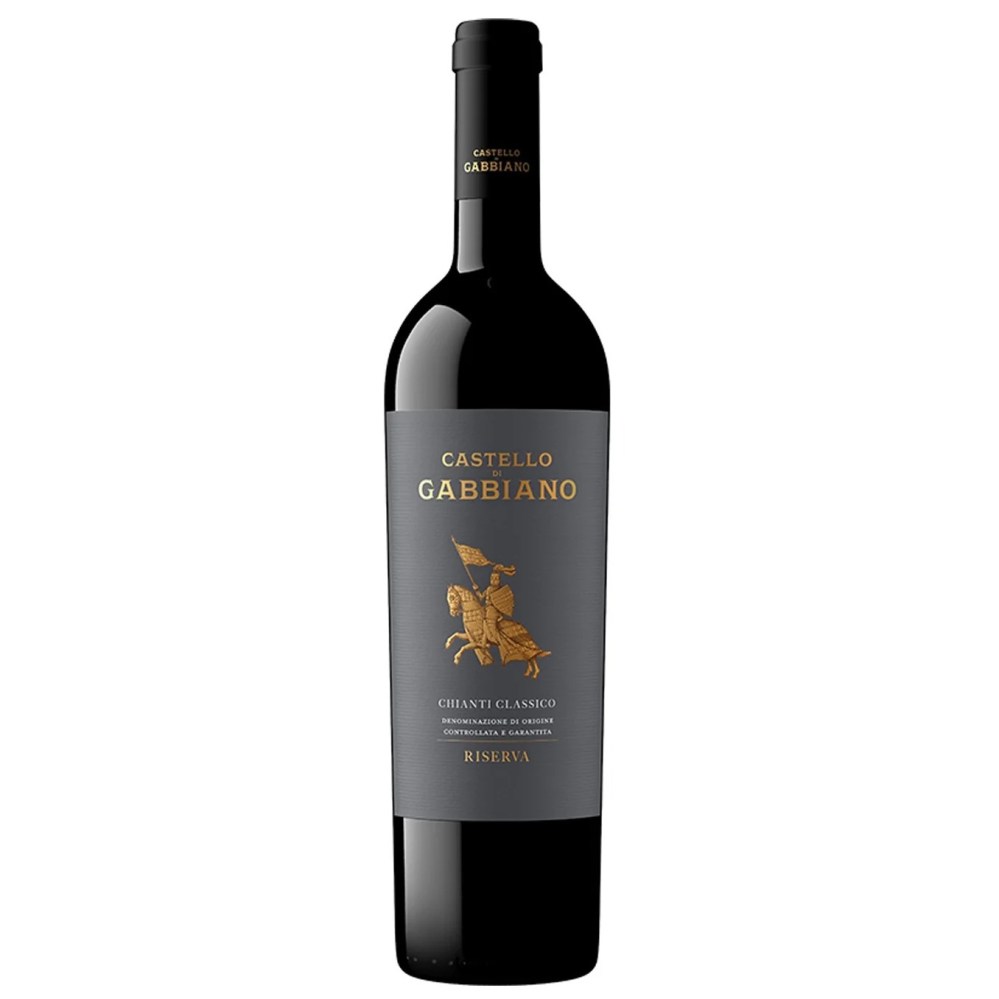
Castello di Gabbiano 2021 Chianti Classico Riserva (Tuscany, Italy — $23.99, Liquor Marts and beyond)
There’s a splash of Merlot in this Chianti Classico Riserva, which is deep garnet in colour and aromatically brings raspberry and cherry, red licorice, earth, lacquer and a hint of barnyard (in a good way). It’s dry, full-bodied and grippy, with medium tannins wound around the core of red fruit and savoury spice flavours followed by white pepper and black tea notes and with a long, lingering finish (it’s 14 per cent alcohol). It’s tasty now on its own, or a hearty stew or osso buco would help grapple with the tannins. Those with some patience could tuck it away for 3-4 years. 4/5
Ben Sigurdson
Literary editor, drinks writer
Ben Sigurdson is the Free Press‘s literary editor and drinks writer. He graduated with a master of arts degree in English from the University of Manitoba in 2005, the same year he began writing Uncorked, the weekly Free Press drinks column. He joined the Free Press full time in 2013 as a copy editor before being appointed literary editor in 2014. Read more about Ben.
In addition to providing opinions and analysis on wine and drinks, Ben oversees a team of freelance book reviewers and produces content for the arts and life section, all of which is reviewed by the Free Press’s editing team before being posted online or published in print. It’s part of the Free Press‘s tradition, since 1872, of producing reliable independent journalism. Read more about Free Press’s history and mandate, and learn how our newsroom operates.
Our newsroom depends on a growing audience of readers to power our journalism. If you are not a paid reader, please consider becoming a subscriber.
Our newsroom depends on its audience of readers to power our journalism. Thank you for your support.
Ben Sigurdson
Literary editor, drinks writer
Ben Sigurdson is the Free Press‘s literary editor and drinks writer. He graduated with a master of arts degree in English from the University of Manitoba in 2005, the same year he began writing Uncorked, the weekly Free Press drinks column. He joined the Free Press full time in 2013 as a copy editor before being appointed literary editor in 2014. Read more about Ben.
In addition to providing opinions and analysis on wine and drinks, Ben oversees a team of freelance book reviewers and produces content for the arts and life section, all of which is reviewed by the Free Press’s editing team before being posted online or published in print. It’s part of the Free Press‘s tradition, since 1872, of producing reliable independent journalism. Read more about Free Press’s history and mandate, and learn how our newsroom operates.
Our newsroom depends on a growing audience of readers to power our journalism. If you are not a paid reader, please consider becoming a subscriber.
Our newsroom depends on its audience of readers to power our journalism. Thank you for your support.
Advertisement Advertise With Us
Advertisement Advertise With Us