Egg prices could jump 41% this year, USDA says, as Trump’s bird flu plan is unveiled
Advertisement
Read this article for free:
or
Already have an account? Log in here »
To continue reading, please subscribe:

Digital Subscription
One year of digital access for only $205*
- Enjoy unlimited reading on winnipegfreepress.com
- Read the E-Edition, our digital replica newspaper
- Access News Break, our award-winning app
- Play interactive puzzles
*First annual payment billed as $205.00 + GST for one year. This annual subscription will automatically renew at $233.00 + GST every 52 weeks (10% off the regular annual price of $259.35). Offer available to new and qualified returning subscribers only. Cancel any time.
To continue reading, please subscribe:
Add Free Press access to your Brandon Sun subscription for only an additional
$1 for the first 4 weeks*
- Enjoy unlimited reading on winnipegfreepress.com
- Read the E-Edition, our digital replica newspaper
- Access News Break, our award-winning app
- Play interactive puzzles
*Your next Brandon Sun subscription payment will increase by $1.00 and you will be charged $17.95 plus GST for four weeks. After four weeks, your payment will increase to $24.95 plus GST every four weeks.
Read unlimited articles for free today:
or
Already have an account? Log in here »
Hey there, time traveller!
This article was published 26/02/2025 (568 days ago), so information in it may no longer be current.
WASHINGTON (AP) — The U.S. Agriculture Department predicts record egg prices could soar more than 40% in 2025, as the Trump administration offered the first new details Wednesday about its plan to battle bird flu and ease costs.
With an emphasis on farms tightening their measures to prevent bird flu’s spread, Agriculture Secretary Brooke Rollins said the USDA will invest another $1 billion on top of the roughly $2 billion it has already spent since the outbreak began in 2022.
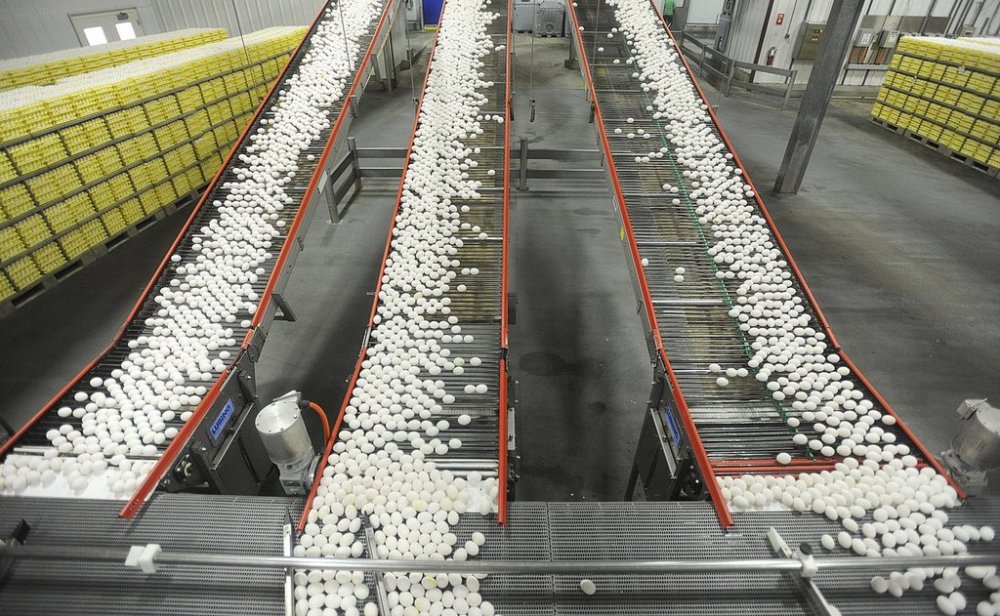
The main reason egg prices have climbed — hitting an all-time average high of $4.95 per dozen this month — is that more than 166 million birds have been slaughtered to limit the virus’ spread when cases are found. Most were egg-laying chickens. Just since the start of the year, more than 30 million egg layers have been killed.
What more can farmers do to stop bird flu?
Egg and poultry farmers have already been working since the bird flu outbreak of 2015 to protect their birds by making workers change clothes and shower before entering barns, using separate sets of tools, and sanitizing any vehicles that enter farms. The challenge is that wild birds easily spread the virus.
The USDA is working on identifying the most effective measures farmers can take and helping spot any weaknesses in their plans.
The department has already done biosecurity reviews on about 150 farms and only one had an outbreak afterward, the USDA said, so officials believe more can be done to protect birds and they are going to make those reviews available to more farms. Any farm that has an outbreak now has to undergo a biosecurity audit. And the government will help pay up to 75% of the needed biosecurity improvements.
Egg prices will get much worse this year
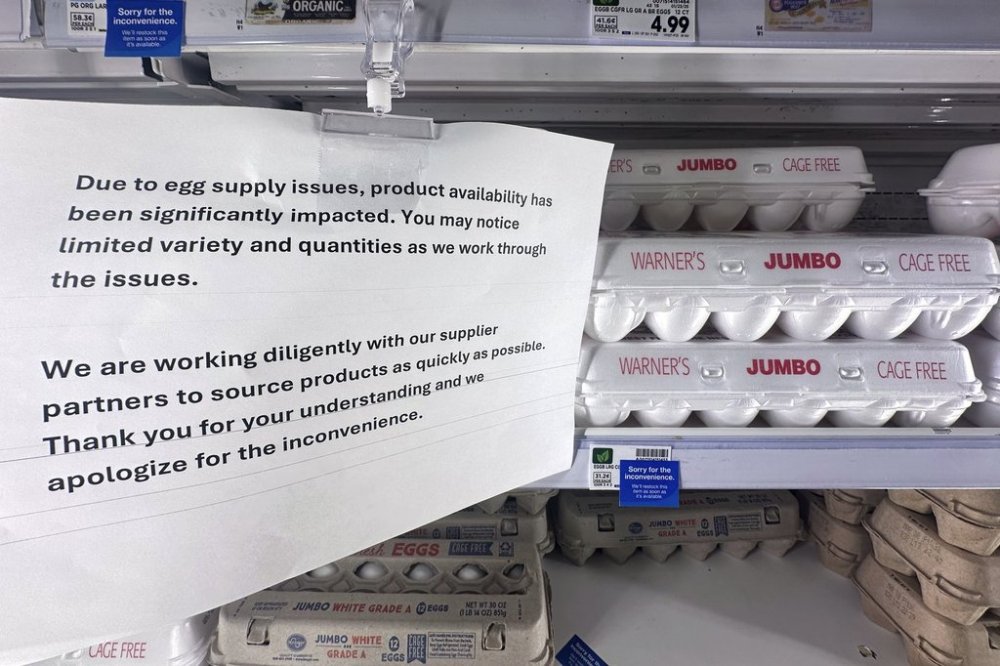
The USDA now predicts the cost of eggs will go up 41.1% this year. Just last month, the increase was predicted to be 20%.
And the average prices conceal just how bad the situation is, with consumers paying more than a dollar per egg — over $12 a dozen — in some places.
Prices have more than doubled since before the outbreak began, costing consumers at least $1.4 billion last year, according to an estimate by agricultural economists at the University of Arkansas. Restaurants like Denny’s and Waffle House started adding surcharges to egg dishes.
Egg prices also normally increase every spring heading into Easter when demand is high.
Will the Trump plan bring down prices?
Rollins acknowledged that it will take some time before consumers see an effect at the checkout counter. It takes infected farms months to dispose of the carcasses, sanitize their farms and raise new birds. But she expressed optimism that the plan will help prices.
“It’s going to take a while to get through, I think in the next month or two, but hopefully by summer,” Rollins said.
CoBank analyst Brian Earnest said he appreciates the Trump administration’s fresh look at the problem, but “I don’t see a whole lot here that is a big change here from the current plan of action.”
Major trade groups in the egg, chicken, turkey and dairy industries largely praised the plan. American Egg Board President Emily Metz said she is encouraged the administration wants to find the best response through a combination of biosecurity and exploring vaccine development.
Will DOGE layoffs affect the bird flu fight?
Rollins said she believes the USDA has enough staff to respond to bird flu even after all the cuts to the federal workforce at the direction of Elon Musk’s Department of Government Efficiency.
“Will we have the resources needed to address the plan I just laid out? We are convinced that we will,” she said, “as we realign and evaluate where USDA has been spending money, where our employees are spending their time.”
Democratic U.S. Sen. Amy Klobuchar said the new plan is an important step, but USDA needs to confirm it rehired everyone involved in the bird flu response who was mistakenly fired.
Where’s the money going?
The plan calls for $500 million investment to help farmers bolster biosecurity measures, $400 million in additional aid for farmers whose flocks have been impacted by avian flu, $100 million to research and potentially develop vaccines and therapeutics for U.S. chicken flocks and explore rolling back what the administration sees as restrictive animal welfare rules in some states like California’s cage-free requirement approved by voters.

The USDA has already paid farmers roughly $1.2 billion for the birds they had to slaughter. The additional aid will continue going to those payments and help farmers bring in new flocks more quickly.
The administration is in talks to import about 70-100 million eggs from abroad in the coming months, Rollins said. But there were 7.57 billion table eggs produced last month, so those imports don’t appear likely to make a significant difference in the market.
Trump administration officials have suggested that vaccines might help reduce the number of birds that have to be slaughtered when there is an outbreak. However, no vaccines have been fully approved for widespread use in poultry, and the industry has said the current prototypes aren’t practical because they require individual shots for each bird. Plus, vaccinated birds could jeopardize exports.
___
Funk reported from Omaha, Nebraska. Aamer Madhani in Washington contributed.