Move forward from Sideways and enjoy Merlot again

Advertisement
Read this article for free:
or
Already have an account? Log in here »
To continue reading, please subscribe:

Digital Subscription
One year of digital access for only $205*
- Enjoy unlimited reading on winnipegfreepress.com
- Read the E-Edition, our digital replica newspaper
- Access News Break, our award-winning app
- Play interactive puzzles
*First annual payment billed as $205.00 + GST for one year. This annual subscription will automatically renew at $233.00 + GST every 52 weeks (10% off the regular annual price of $259.35). Offer available to new and qualified returning subscribers only. Cancel any time.
To continue reading, please subscribe:
Add Free Press access to your Brandon Sun subscription for only an additional
$1 for the first 4 weeks*
- Enjoy unlimited reading on winnipegfreepress.com
- Read the E-Edition, our digital replica newspaper
- Access News Break, our award-winning app
- Play interactive puzzles
*Your next Brandon Sun subscription payment will increase by $1.00 and you will be charged $17.95 plus GST for four weeks. After four weeks, your payment will increase to $24.95 plus GST every four weeks.
Read unlimited articles for free today:
or
Already have an account? Log in here »
Hey there, time traveller!
This article was published 08/11/2025 (273 days ago), so information in it may no longer be current.
Twenty-one years ago, a little film about two pals making a road trip to California wine country changed the viticultural landscape in a big way.
That film, Sideways, was a surprise hit, earning director Alexander Payne an Oscar (along with Jim Taylor) for best adapted screenplay — and, unexpectedly, tanking the reputation of one of the world’s most beloved red wine grapes.
The wine-nerd character Miles, played by Paul Giamatti, adores his Pinot Noirs, and decries Merlot. Miles’ most infamous besmirching of the latter grape comes while talking with his buddy Jack (Thomas Haden Church), when he exclaims “If anyone orders Merlot, I’m leaving. I am not drinking any f—-ing Merlot!”
Amazingly, after Sideways’ runaway success, sales of Merlot in the U.S. took a nosedive, and the impact was felt beyond our southern neighbours’ borders as well.
But since Nov. 7 was International Merlot Day, it seems a fitting opportunity to revisit the much-maligned red wine grape.
While Merlot is often made in a fruit-forward, people-pleasing style (much to Miles’ chagrin), it’s a grape with ample pedigree, playing a key role in “serious” red blends from France’s Bordeaux region — particularly in wines from right-bank appellations such as Pomerol and Saint-Émilion, where it’s the primary grape variety. The age-worthy wines from such regions command high prices and garner plenty of critical acclaim. (As a little inside joke for wine geeks in the know, near the end of Sideways Miles drinks his most prized wine, a bottle of 1961 Cheval Blanc — it’s a red from Saint-Émilion whose main grape variety is, you guessed it, Merlot.)
Ten years before Sideways, Merlot went through another identity crisis — this one south of the equator. The grape had long been an important red variety in Chile until, in 1994, it was discovered that many of the vines thought to be Merlot were in fact Carménère, another variety that originated from Bordeaux.
Today Carménère is now Chile’s flagship red wine grape, having overtaken Merlot as the most important red grape variety in the country’s red wines by some margin.
Still, Merlot remains one of the world’s most widely planted red wine grape varieties — unlike Miles’ precious Pinot Noir, the grape thrives in a range of conditions. On its own, Merlot tends to be deep in colour, with up-front plum, blueberry and other dark fruit flavours and softer tannins.
The tendency to blend Merlot with Cabernet Sauvignon may have started in Bordeaux, but it’s a practice that has been adopted by producers the world over. The more plush characteristics of the grape work well in contrast to Cabernet Sauvignon’s slightly leaner and grippier characteristics.
It’s also a grape that works well both with and without oak aging. Many entry-level Merlots head to the bottle without spending time in barrels, retaining all those ripe dark berry flavours, but when oak aged the wine tends to pick up equally lovely baking spice and vanilla notes.
Merlot is also one of the most food-friendly red grape varieties, working well with everything from cheeses to pizza, pasta, burgers, beef Wellington and beyond.
Sure, there are some wine drinkers out there who still think of Merlot as simple, overly fruity and boring. And yes, there are some Merlots out there that would fit that description.
But there are just as many examples of the variety that show beautifully, and would likely win over the miserable Mileses of the world were they to simply come back to Merlot.
Wines of the week
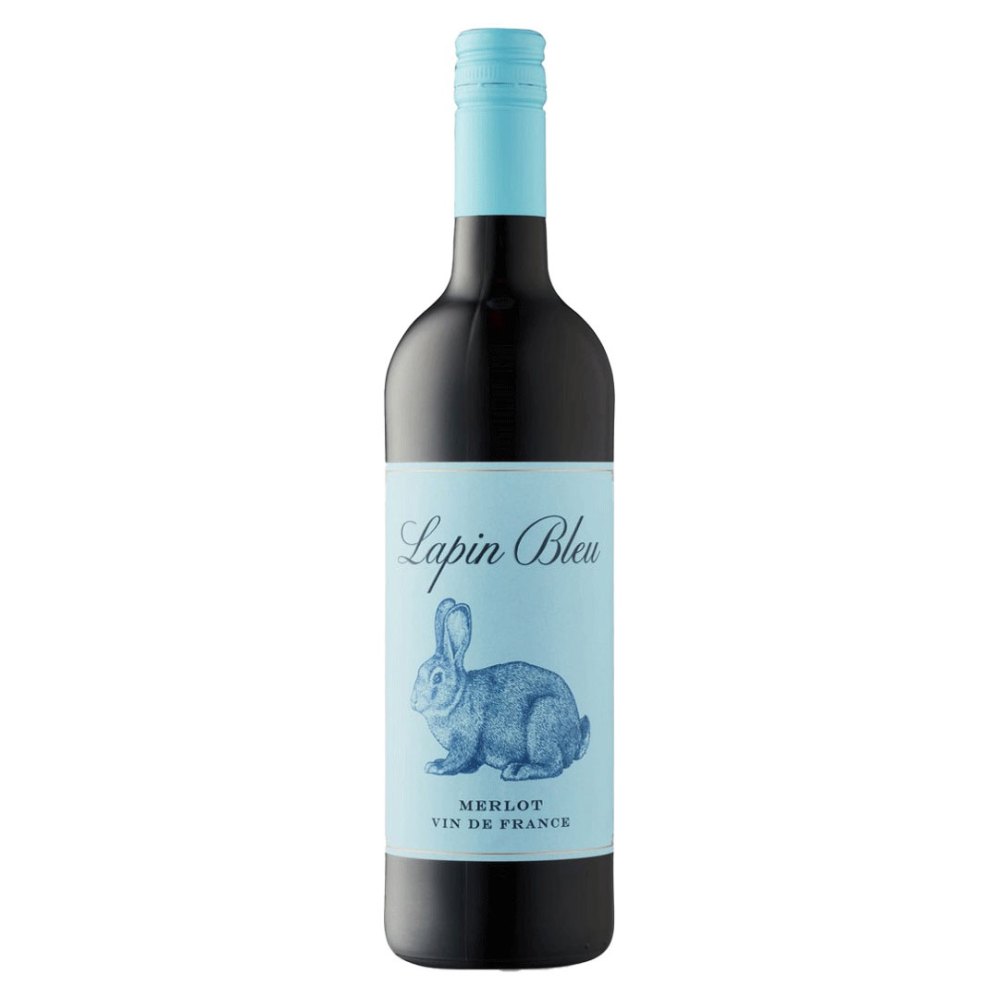
Lapin Bleu 2023 Merlot (Vin de France — $14.03, Liquor Marts and beyond)
Ripe plum, violet, blueberry, spice and hints of vanilla show decently on the nose of this southern French Merlot.
It’s dry and medium-bodied, with blueberry and almost-confected cherry flavours, hints of cocoa and chocolate, light tannins and acidity and, at 14 per cent alcohol, a bit of length on the finish. 3/5
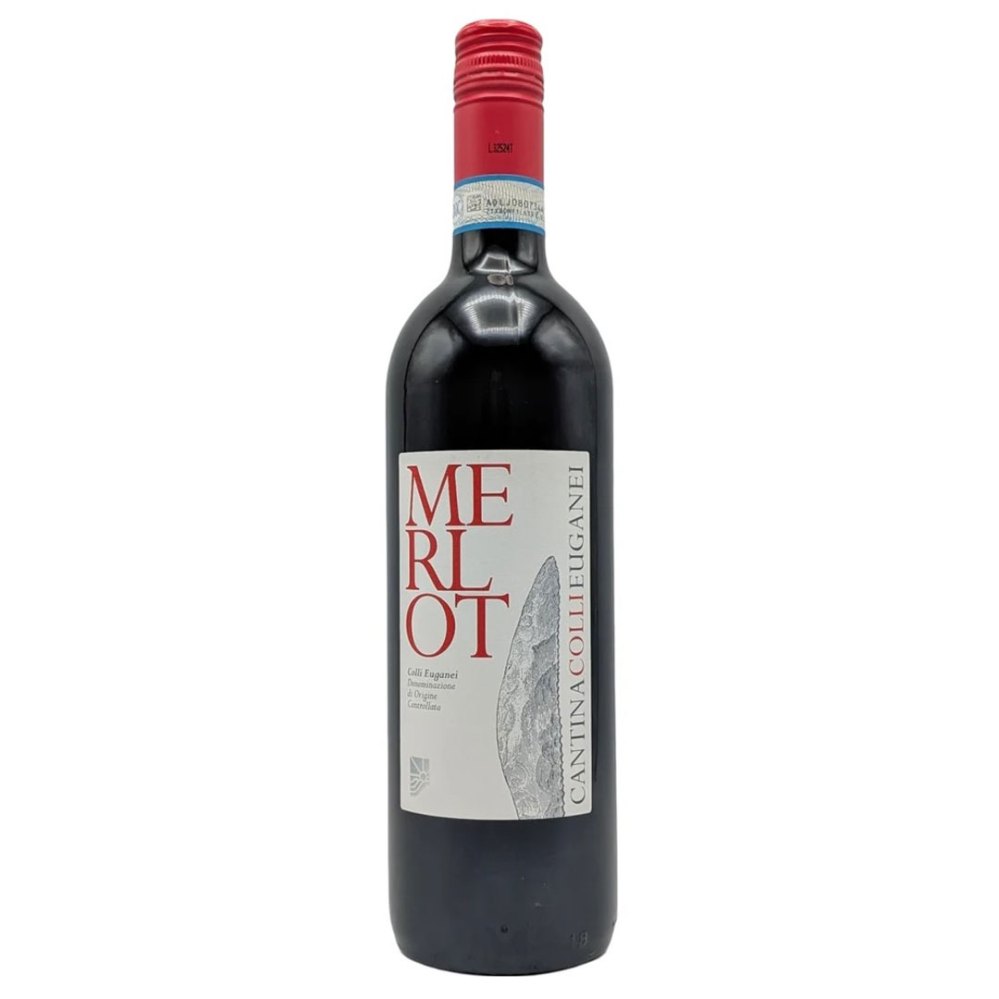
Cantina Colli Euganei 2024 I Fossili 2024 Merlot (Colli Euganei, Italy — $15.99, Jones & Co.)
This northern Italian Merlot brings fun notes of ripe plum, tart cherry, lacquer and blueberry notes on the nose.
It’s a juicy, fresh and medium-plus-bodied example of the grape, with lively plum and raspberry notes coming with medium acidity, modest tannins and, at 12.5 per cent alcohol, a relatively short finish. 3.5/5
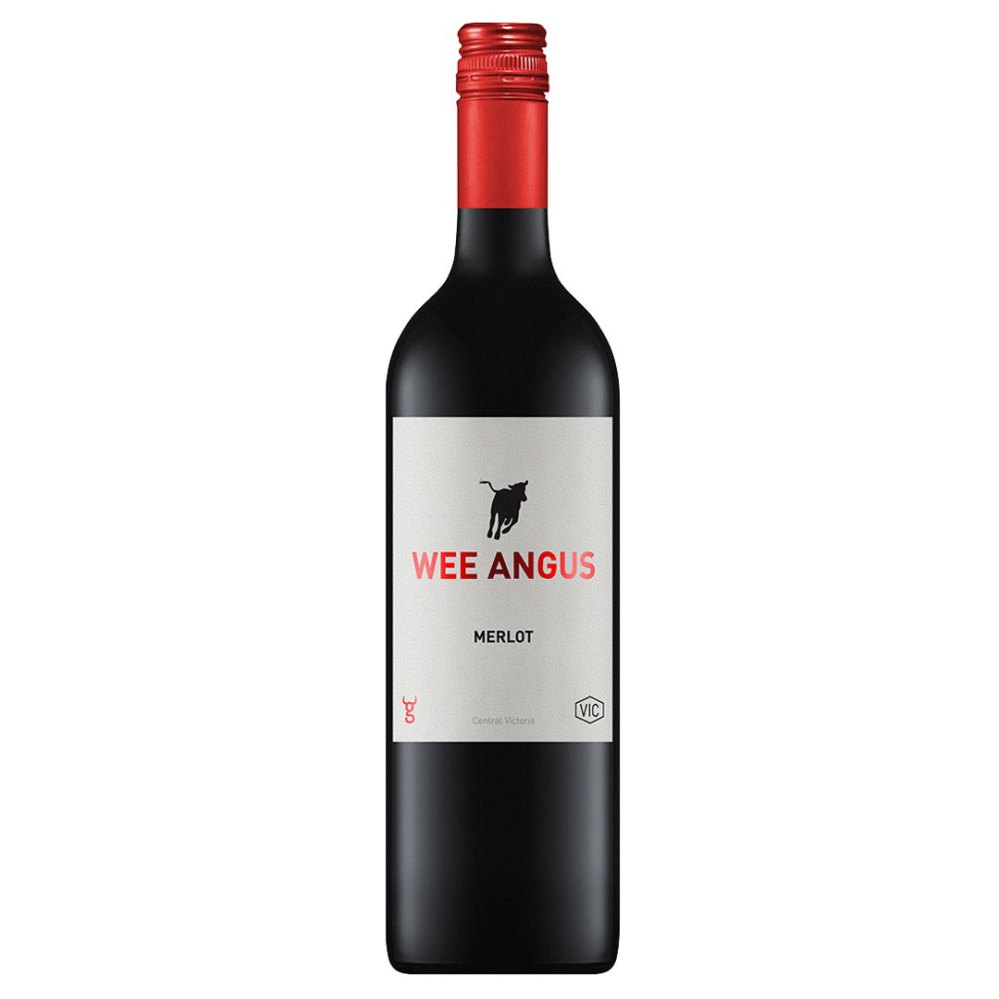
Wee Angus 2022 Merlot (Central Victoria, Australia — $16.99, Liquor Marts and beyond)
The violet and plum notes on the nose of this Aussie Merlot are particularly attractive, coming with lovely blueberry and baking spice components.
It’s full-bodied and mostly dry, with big ripeness to the plum and blueberry pie flavours that’s ramped up by secondary vanilla notes from oak. Tannins are soft and, at 14.5 per cent alcohol, the finish is quite lengthy and warm. 3.5/5
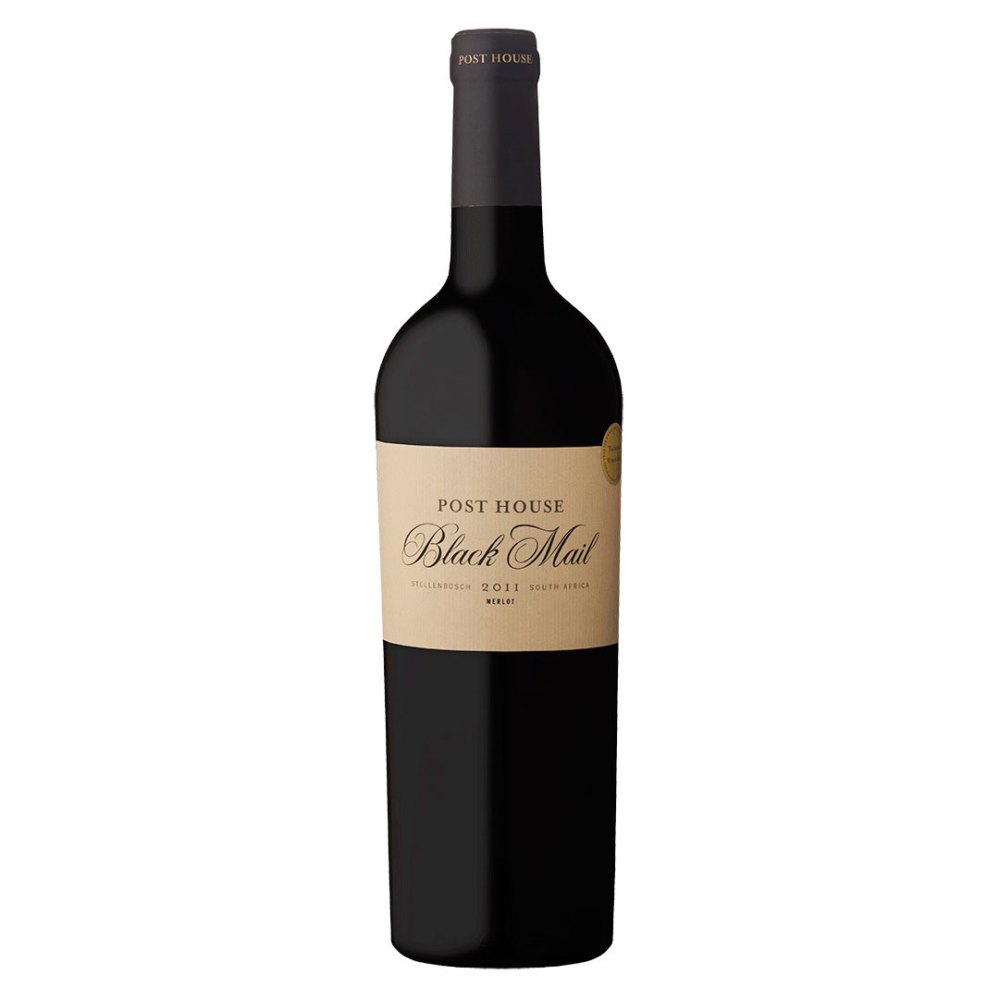
Post House 2022 Black Mail Merlot (Stellenbosch, South Africa — $24.51, Liquor Marts and beyond)
This South African Merlot — named, oddly, after a mailbox in Nevada near Area 51 — offers wild herbal and brambly blackberry notes along with blueberry, violet and plum notes and secondary leather, bread dough and black pepper components. It’s full-bodied and dry, with plum and dark berry notes arriving with dark chocolate and white pepper notes, with grippy tannins and spice on the medium-length finish from barrel aging. Seriously good stuff that will change the minds of pickier palates out there. 4.5/5
uncorked@mts.net
@bensigurdson
Ben Sigurdson
Literary editor, drinks writer
Ben Sigurdson is the Free Press‘s literary editor and drinks writer. He graduated with a master of arts degree in English from the University of Manitoba in 2005, the same year he began writing Uncorked, the weekly Free Press drinks column. He joined the Free Press full time in 2013 as a copy editor before being appointed literary editor in 2014. Read more about Ben.
In addition to providing opinions and analysis on wine and drinks, Ben oversees a team of freelance book reviewers and produces content for the arts and life section, all of which is reviewed by the Free Press’s editing team before being posted online or published in print. It’s part of the Free Press‘s tradition, since 1872, of producing reliable independent journalism. Read more about Free Press’s history and mandate, and learn how our newsroom operates.
Our newsroom depends on a growing audience of readers to power our journalism. If you are not a paid reader, please consider becoming a subscriber.
Our newsroom depends on its audience of readers to power our journalism. Thank you for your support.
Ben Sigurdson
Literary editor, drinks writer
Ben Sigurdson is the Free Press‘s literary editor and drinks writer. He graduated with a master of arts degree in English from the University of Manitoba in 2005, the same year he began writing Uncorked, the weekly Free Press drinks column. He joined the Free Press full time in 2013 as a copy editor before being appointed literary editor in 2014. Read more about Ben.
In addition to providing opinions and analysis on wine and drinks, Ben oversees a team of freelance book reviewers and produces content for the arts and life section, all of which is reviewed by the Free Press’s editing team before being posted online or published in print. It’s part of the Free Press‘s tradition, since 1872, of producing reliable independent journalism. Read more about Free Press’s history and mandate, and learn how our newsroom operates.
Our newsroom depends on a growing audience of readers to power our journalism. If you are not a paid reader, please consider becoming a subscriber.
Our newsroom depends on its audience of readers to power our journalism. Thank you for your support.
Advertisement Advertise With Us
Advertisement Advertise With Us