

Kentucky bourbon top sellers as N.S. starts selling off stockpile of American alcohol
Advertisement
Read this article for free:
or
Already have an account? Log in here »
To continue reading, please subscribe:
Monthly Digital Subscription
$1 per week for 24 weeks*
- Enjoy unlimited reading on winnipegfreepress.com
- Read the E-Edition, our digital replica newspaper
- Access News Break, our award-winning app
- Play interactive puzzles
*Billed as $4.00 plus GST every four weeks. After 24 weeks, price increases to the regular rate of $19.95 plus GST every four weeks. Offer available to new and qualified returning subscribers only. Cancel any time.
Monthly Digital Subscription
$4.99/week*
- Enjoy unlimited reading on winnipegfreepress.com
- Read the E-Edition, our digital replica newspaper
- Access News Break, our award-winning app
- Play interactive puzzles
*Billed as $19.95 plus GST every four weeks. Cancel any time.
To continue reading, please subscribe:
Add Free Press access to your Brandon Sun subscription for only an additional
$1 for the first 4 weeks*
*Your next subscription payment will increase by $1.00 and you will be charged $16.99 plus GST for four weeks. After four weeks, your payment will increase to $23.99 plus GST every four weeks.
Read unlimited articles for free today:
or
Already have an account? Log in here »
HALIFAX – Nova Scotia’s liquor stores reported unusually brisk business on Monday, the first day they started selling off U.S. alcohol ordered off the shelves in February.
Premier Tim Houston had said the removal was in response to U.S. President Donald Trump’s threats to impose tariffs on Canadian products.
But on Nov. 27, the premier announced the $14 million in stockpiled booze would be sold off as of Dec. 1, with the profits going to community food organizations. At the time, he said about $4 million could be donated to these charitable groups.
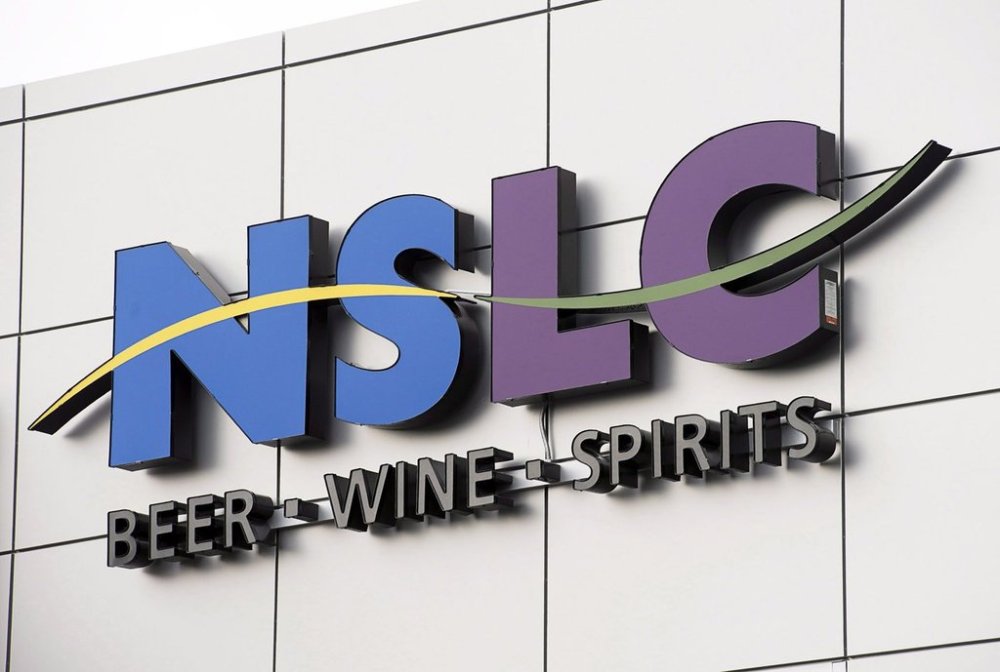
On Tuesday, a spokesperson for the Nova Scotia Liquor Corp. (NSLC) said its stores had reported a high volume of sales. “It was a much busier Monday than we typically have,” Terah McKinnon said in an interview.
She said the top seller among the American brands was Maker’s Mark, a popular bourbon made in Kentucky. In second place was another American whiskey, Bulleit Bourbon, also from Kentucky.
Aside from these two products, the NSLC also has plenty of U.S. wine and rum and other spirits to unload, McKinnon said.
“I think shoppers are pleased to see these options back on shelf,” McKinnon said. “As well, I think many people are pleased about where the profits are going.”
When sales ban was imposed, many of the NSLC’s smaller stores had to ship their American products to larger outlets or to a distribution warehouse in Halifax. As a result, restocking could take some time, she said.
“We’re looking at working with transportation partners to get that product back from those locations to the stores that had to ship it out in the first place,” McKinnon said, adding that customers should call ahead to check for availability.
In all, about 600,000 units of various products were pulled off the shelves earlier this year.
At the time, Houston said a sell-off was the right thing to do because the provincial government had already paid for products that shouldn’t go to waste. He said there were no plans to reorder U.S. products once this stockpile has been sold.
Meanwhile, the NSLC released its latest financial results Tuesday, which show total sales rose 1.9 per cent in the second quarter of the most recent fiscal year. Between June 30 and Sept. 28, total sales hit $250.4 million, but profits decreased 1.6 per cent to $82.5 million.
Alcohol sales rose 0.6 per cent to $214.4 million, with increased sales of beer and ready-to-drink products leading the way.
On the downside, corporate expenses rose from $14.6 million to $15.3 million, and sales of spirits and wine were down.
Meanwhile, cannabis sales were up 10.4 per cent to $36.0 million.
Sales of products made in Nova Scotia rose by 13.4 per cent to $44.1 million, with locally produced alcohol sales increasing 16.4 per cent to $34.5 million, led by larger sales of spirits, wine, craft beer and ready-to-drink products.
This report by The Canadian Press was first published Dec. 2, 2025.