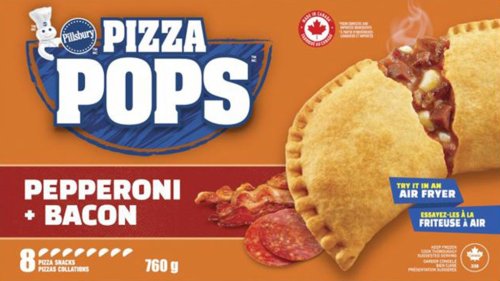
How can E. coli survive in frozen and microwaved Pillsbury Pizza Pops?
Advertisement
Read this article for free:
or
Already have an account? Log in here »
To continue reading, please subscribe:

Digital Subscription
One year of digital access for only $205*
- Enjoy unlimited reading on winnipegfreepress.com
- Read the E-Edition, our digital replica newspaper
- Access News Break, our award-winning app
- Play interactive puzzles
*First annual payment billed as $205.00 + GST for one year. This annual subscription will automatically renew at $233.00 + GST every 52 weeks (10% off the regular annual price of $259.35). Offer available to new and qualified returning subscribers only. Cancel any time.
To continue reading, please subscribe:
Add Free Press access to your Brandon Sun subscription for only an additional
$1 for the first 4 weeks*
- Enjoy unlimited reading on winnipegfreepress.com
- Read the E-Edition, our digital replica newspaper
- Access News Break, our award-winning app
- Play interactive puzzles
*Your next Brandon Sun subscription payment will increase by $1.00 and you will be charged $17.95 plus GST for four weeks. After four weeks, your payment will increase to $24.95 plus GST every four weeks.
Read unlimited articles for free today:
or
Already have an account? Log in here »
Hey there, time traveller!
This article was published 23/12/2025 (269 days ago), so information in it may no longer be current.
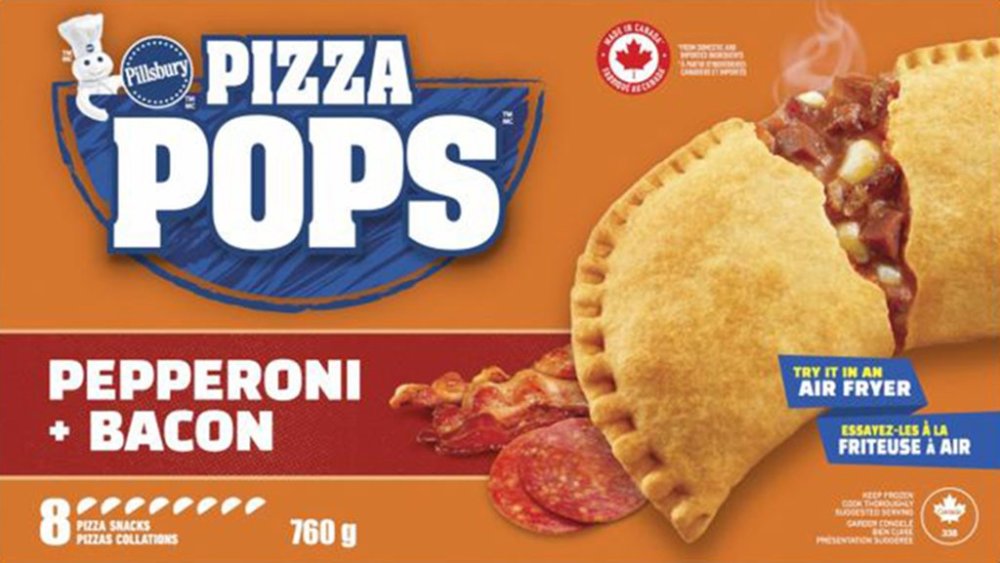
TORONTO – A Pillsbury brand Pizza Pop may not seem like an obvious candidate for E. coli – given the freezing and heating that goes on before it reaches the consumer’s lips – but foodborne illness experts say it’s not that simple.
A public health notice Monday stated 20 people got sick and four have been hospitalized in Canada between early October and late November after eating or handling certain pepperoni and bacon Pizza Pops.
April Hexemer, director of the outbreak management division at the Public Health Agency of Canada, said for every case that is lab confirmed there are an estimated 32 more undetected in the community.
“We estimate that there’s several hundred illnesses associated with this outbreak at this time,” she said.
Hexemer said it is crucial to understand that frozen food can contain ingredients contaminated with bacteria, and that it’s up to the consumer to follow the cooking instructions.
FREEZING AND HEATING
Lawrence Goodridge, a professor and Canada Research Chair in foodborne pathogen dynamics at the University of Guelph, said freezers stop the growth of bacteria, but they don’t kill it.
That means if the product got cross-contaminated or there was a sanitation failure when it was made, the freezer would actually preserve the bacteria.
The cooking instructions on the pizza pop package say a consumer can cook the product in a microwave, oven or air fryer.
For microwaving, it says to heat it for one minute on High, flip it, and then put it in for another minute.
Jennifer Ronholm, an associate professor at McGill University and a Canada Research Chair in agricultural microbiology, said the challenge with microwaves is they are prone to producing food with hot and cold spots. They also vary widely and their power weakens over time, which means putting a Pizza Pop in on High for one minute is different for each person.
Ronholm said the internal temperature needs to get to 71 degrees Celsius, which is too hot to bite into.
“I have a feeling that a pizza pocket isn’t something people usually check with a temperature probe” Ronholm said.

Ronholm says it’s important not to cook for other people for about 20 days after consuming the contaminated product. “Even if you’re not sick, you still could be a carrier of the infection and still be able to pass it on to your family,” she said.
E. coli symptoms can include nausea, vomiting, headache, mild fever, severe stomach cramps, and watery or bloody diarrhea.
Most people will fully recover after a few days without treatment, but people who are pregnant, under the age of five, over the age of 60, or have weakened immune systems, are at a higher risk of severe illness.
This report by The Canadian Press was first published Dec. 23, 2025.
Canadian Press health coverage receives support through a partnership with the Canadian Medical Association. CP is solely responsible for this content.
Related Articles
Four people hospitalized related to Pizza Pop recall, CFIA says
Advertisement Advertise With Us
Advertisement Advertise With Us