Grocery industry’s new code of conduct to take full effect on Jan. 1
Advertisement
Read this article for free:
or
Already have an account? Log in here »
To continue reading, please subscribe:

Digital Subscription
One year of digital access for only $205*
- Enjoy unlimited reading on winnipegfreepress.com
- Read the E-Edition, our digital replica newspaper
- Access News Break, our award-winning app
- Play interactive puzzles
*First annual payment billed as $205.00 + GST for one year. This annual subscription will automatically renew at $233.00 + GST every 52 weeks (10% off the regular annual price of $259.35). Offer available to new and qualified returning subscribers only. Cancel any time.
To continue reading, please subscribe:
Add Free Press access to your Brandon Sun subscription for only an additional
$1 for the first 4 weeks*
- Enjoy unlimited reading on winnipegfreepress.com
- Read the E-Edition, our digital replica newspaper
- Access News Break, our award-winning app
- Play interactive puzzles
*Your next Brandon Sun subscription payment will increase by $1.00 and you will be charged $17.95 plus GST for four weeks. After four weeks, your payment will increase to $24.95 plus GST every four weeks.
Read unlimited articles for free today:
or
Already have an account? Log in here »
Hey there, time traveller!
This article was published 31/12/2025 (265 days ago), so information in it may no longer be current.
TORONTO – The voluntary grocery code of conduct for grocers, suppliers, wholesalers and primary producers is set to fully roll out on Thursday.
The grocery code is intended to promote fair dealings between grocers and their suppliers, including the application of penalties and fees. It was set up in an effort to bring more transparency, fairness and predictability to the industry as a whole.
The code, governed by the Office of the Grocery Sector Code of Conduct, includes trade rule provisions, a governance model and an adjudication and dispute resolution process.
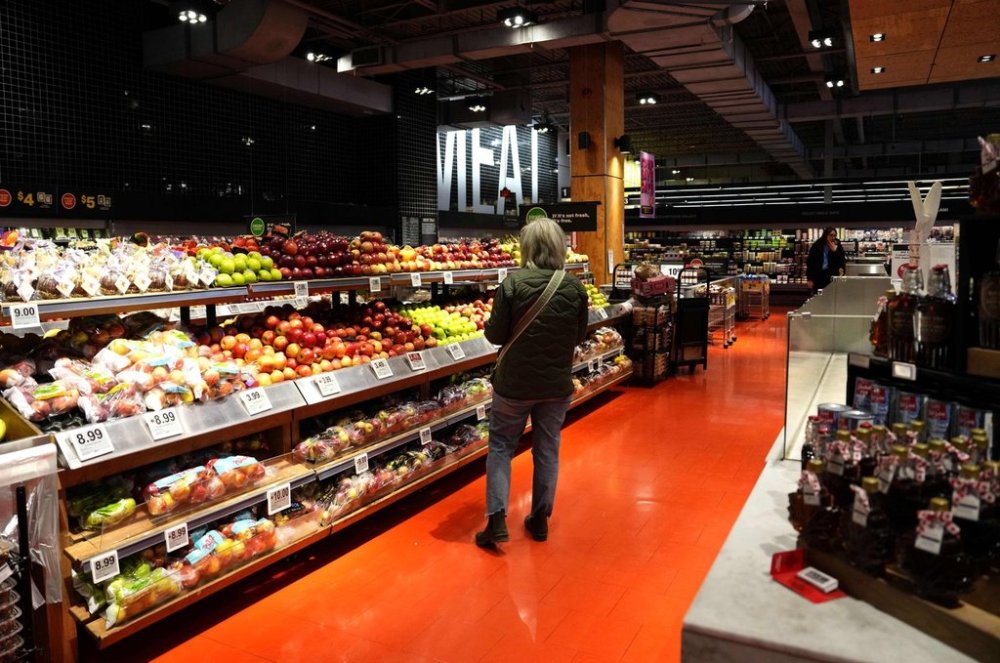
Starting Jan. 1, the code — which was being rolled out in stages — will be fully operational, including the dispute resolution mechanism governing how complaints are addressed by the office and consequences for violations of the code.
Grocers, suppliers and other members will now be able to submit formal complaints. The office of the Canada Grocery Code will also start collecting annual membership dues.
Starting in 2026, the office will also release an annual report that highlights sector trends, systemic challenges and proposed improvements, according to the Canada Grocery Code website.
The industry committee tasked with creating the code was established in response to contentious fees being charged to suppliers by large grocery retailers, an issue that came to a head in 2020. Years of high food inflation in the wake of the COVID-19 pandemic stoked public frustration with the grocery sector and though the code’s purpose is not to lower costs, its adoption nonetheless became a political issue.
There was hesitation from some of the grocers about signing on, but the federal government warned it could make the code mandatory if all the major players didn’t get on board.
Canada’s five largest grocers — Empire, Loblaw, Metro, Walmart Canada and Costco Canada — have now formally registered.

Former Empire CEO Michael Medline was the first major grocery executive to call for a grocery code of conduct to level the playing field for Canadian grocers and suppliers.
He had cautioned the code won’t be a silver bullet for solving problems in the industry, but that it could lead to lower prices, shorter supply chains and more choice for Canadians.
The code is not intended to address retail food prices as it does not regulate pricing, control shelf placement or limit companies’ ability to negotiate commercial terms.
While the code is a first for Canada, other countries, notably the U.K. and Australia, have their own grocery codes.
This report by The Canadian Press was first published Dec. 31, 2025.