Wines in Spain are anything but plain
From fruity, hands-off reds to full-bodied Tempranillos, the Rioja region defines Spanish wines

Advertisement
Read this article for free:
or
Already have an account? Log in here »
To continue reading, please subscribe:

Digital Subscription
One year of digital access for only $205*
- Enjoy unlimited reading on winnipegfreepress.com
- Read the E-Edition, our digital replica newspaper
- Access News Break, our award-winning app
- Play interactive puzzles
*First annual payment billed as $205.00 + GST for one year. This annual subscription will automatically renew at $233.00 + GST every 52 weeks (10% off the regular annual price of $259.35). Offer available to new and qualified returning subscribers only. Cancel any time.
To continue reading, please subscribe:
Add Free Press access to your Brandon Sun subscription for only an additional
$1 for the first 4 weeks*
- Enjoy unlimited reading on winnipegfreepress.com
- Read the E-Edition, our digital replica newspaper
- Access News Break, our award-winning app
- Play interactive puzzles
*Your next Brandon Sun subscription payment will increase by $1.00 and you will be charged $17.95 plus GST for four weeks. After four weeks, your payment will increase to $24.95 plus GST every four weeks.
Read unlimited articles for free today:
or
Already have an account? Log in here »
Hey there, time traveller!
This article was published 12/06/2021 (1919 days ago), so information in it may no longer be current.
Spain is known for its rustic fare and equally earthy wines, and no region has defined Spanish wine more profoundly over time than Rioja.
Located inland in northern Spain, Rioja is sheltered from most of the cooling maritime influences of the Atlantic Ocean by the Cantabrian mountains. The bulk of the vineyards in Rioja line the banks of the region’s Ebro River, and most of these vineyards are planted with the region’s signature red wine grape — Tempranillo. When well-made, Tempranillo-based wines deliver tart red and black berry flavours, earthy and cedar notes along with plenty of acidity and tannin, meaning the best examples have solid mid- to longer-term cellaring potential.
Many Rioja wines labels are adorned with an old-school classification system that indicates how, and how long, they were aged both in oak barrels and in the bottle. A wine designated a Crianza (typically in the $18-$20 price range) must be aged for at least two years before release, at least six months of which must be in barrel; Reserva wines ($20-$25-ish) must be aged for three years, and at least one of those years is required to be in oak.
Gran Reservas, made only in the best vintages, must be aged for five years before release, and the wine must spend at least two of those years in barrel. As top-tier reds go, they’re probably the best value out there. Gran Reservas typically only cost between $30-$40, which is remarkable given the quality of the wine and the amount of time and labour involved in their production.
Generally speaking, Reservas from Rioja can be put away for three to five years, while Gran Reservas can age for seven to 10 years or more. As they age, the tannin and acidity the Tempranillo brings tend to mellow out, making for a complex, captivating experience in the glass.
Beyond the Crianza/Reserva/Gran Reserva wines are Rioja reds made from the Tempranillo grape but which don’t fall into (or bother) with the classification. Some might not meet the minimum aging requirements; others prefer a more modern, New World approach to winemaking. These wines are typically well-priced wines ($15-ish or less) and bring a more fruit-forward, drink-now style that appeals to the global market — tannins are lower, there’s less (or no) oak aging, and the fruit flavours are more pronounced. For those less familiar with wines from the region, these types of wines offer the best entry point into Rioja reds.
Pairing Rioja reds with food is where the fun really begins. The oakier/old-school examples work well with hearty stews, braised beef, big steaks, spicy chorizo and sharper, harder cheeses. The more fruit-forward examples are great with tapas/charcuterie, burgers, pizza or tacos/burritos, especially when chilled for 10-15 minutes.
Wines of the week
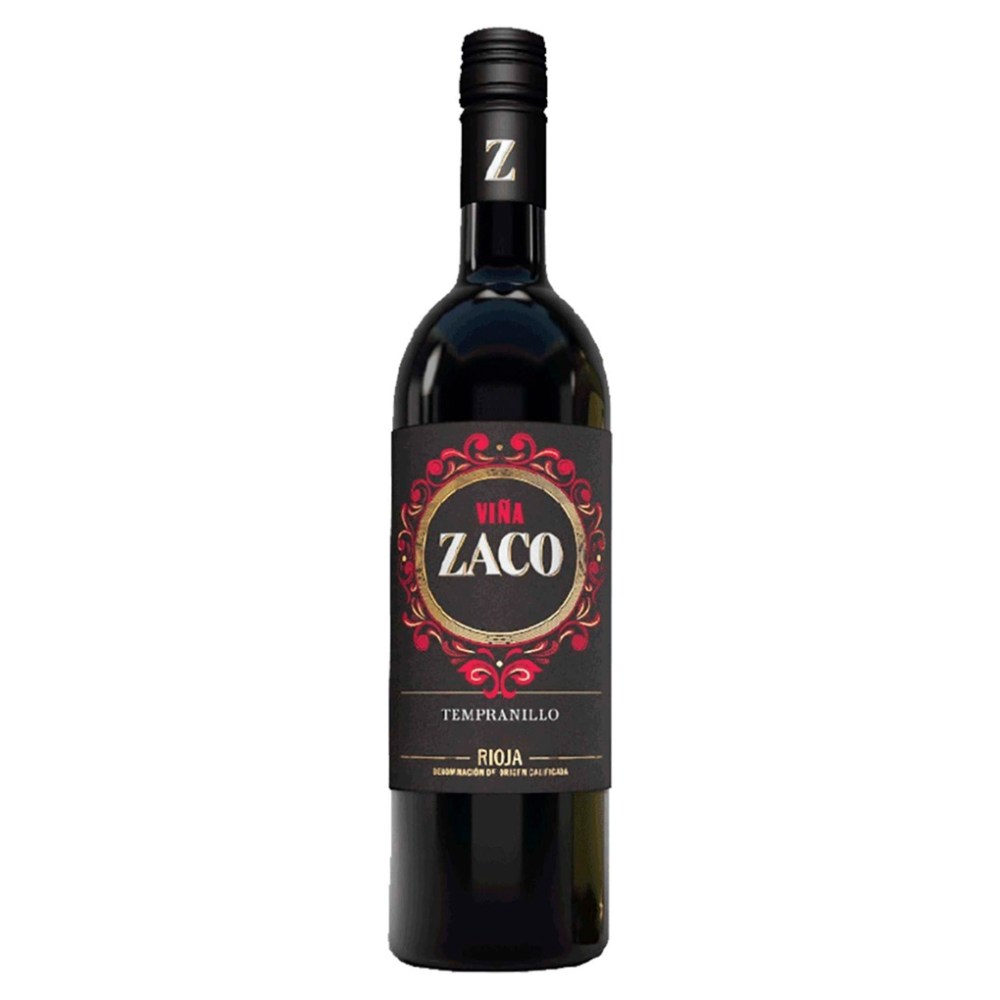
Viña Zaco 2016 Tempranillo (Rioja, Spain — $15.99, Liquor Marts and beyond)
Aromatically there’s a bit of dustiness to the ripe raspberry and cherry aromas; this wine’s a bit old for an entry-level Rioja. On the medium-plus-bodied palate there’s some wood from time in American oak barrels that comes with the red berry, plum and white pepper flavours. Tannins are grippy, there’s a splash of acidity, but then on the finish the fruit dries up a bit quickly. Solid, but a newer vintage would likely show better; drink now. 2.5/5
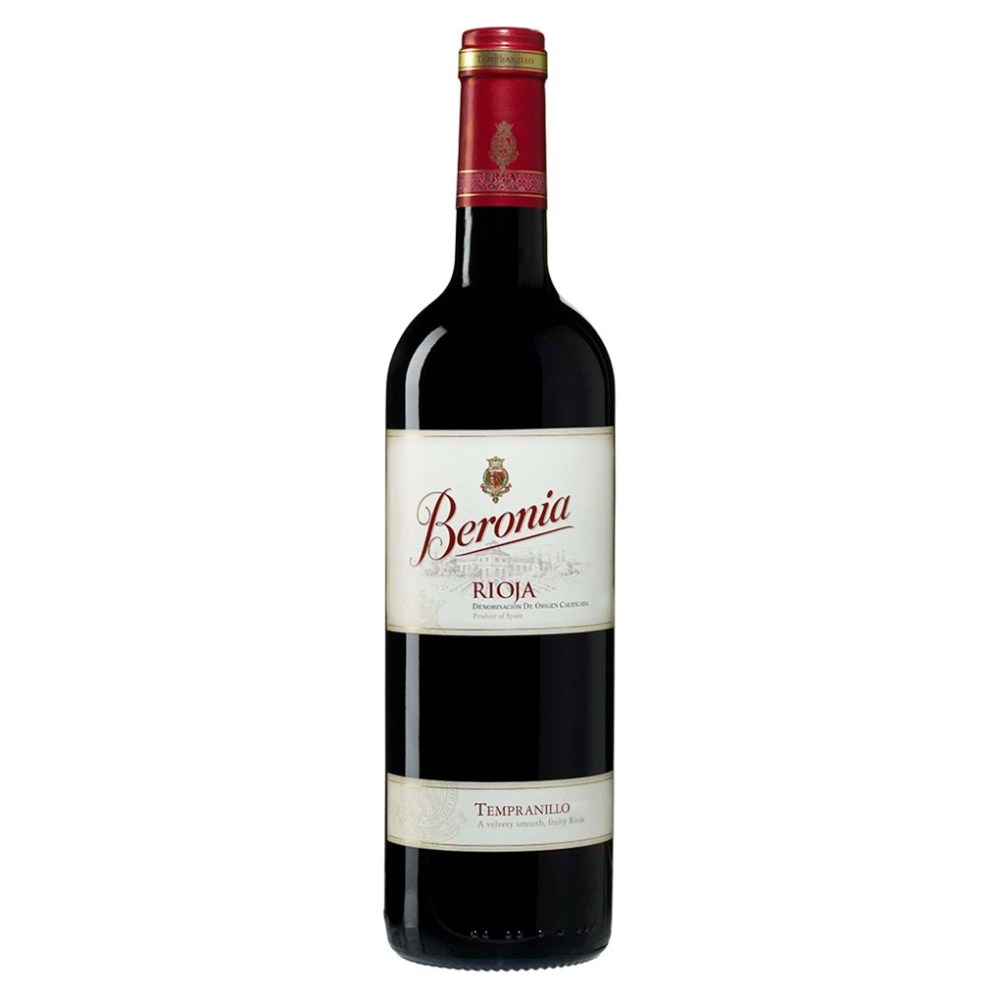
Beronia 2019 Tempranillo (Rioja, Spain — $14.99, Liquor Marts and beyond)
Deep ruby in colour, this well-priced Spanish Tempranillo brings raspberry, plum, black tea and strawberry notes on the nose. It’s medium-plus-bodied and dry, with a rustic earthy note that’s spot on with the fresh and vibrant cherry, blueberry, white pepper and plum flavours, a black tea component that comes with the medium tannins and a modest finish. Very good value. 3.5/5
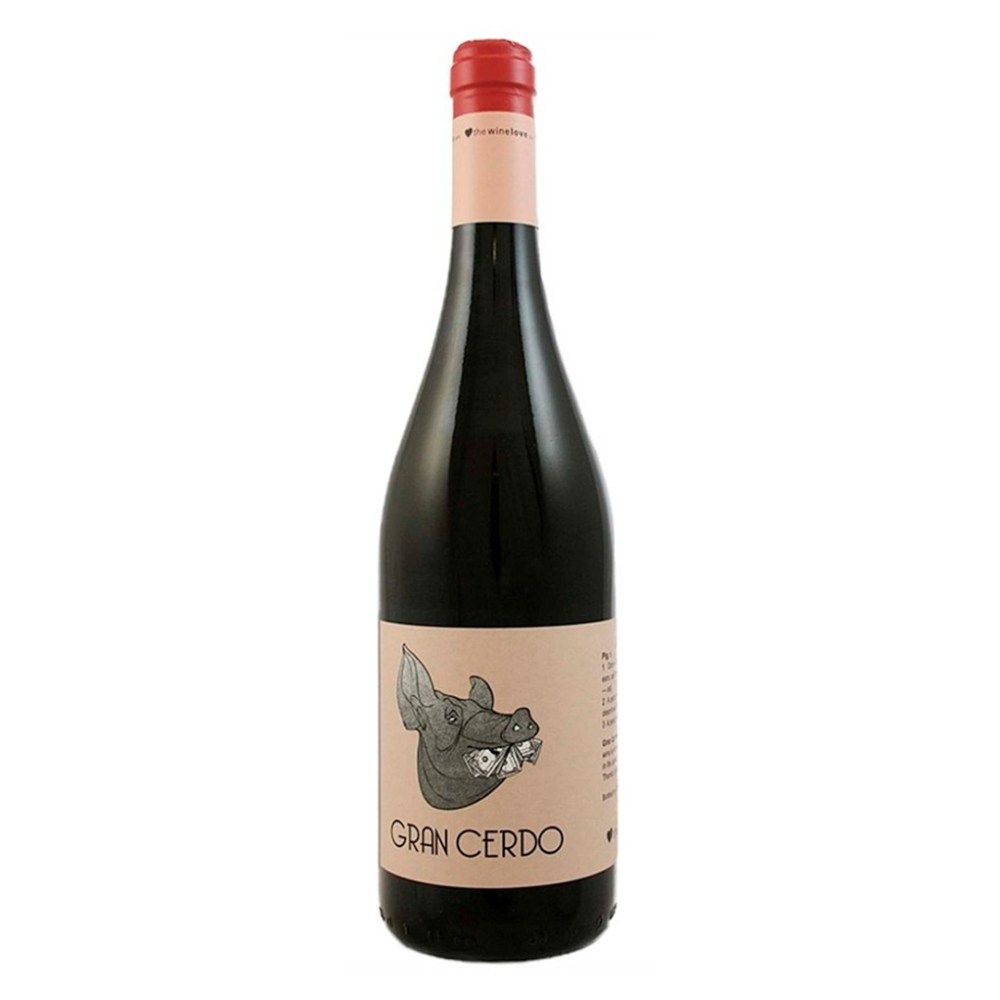
Gran Cerdo 2019 Rosso (Rioja, Spain — around $18, private wine stores)
Made in a hands-off, “natural” style of minimal-intervention winemaking, the Gran Cerdo is deep vibrant purple in colour and aromatically offers plum, violet, earth, raspberry and mocha notes. The palate is dry, medium-bodied and quite juicy, with deep ripe raspberry and cherry flavours front and centre, some plum and subtle herbal notes and a long, fruit-driven finish that isn’t overly tannic. A fun, versatile red to drink (slightly chilled) on its own, or with tapas. 4/5
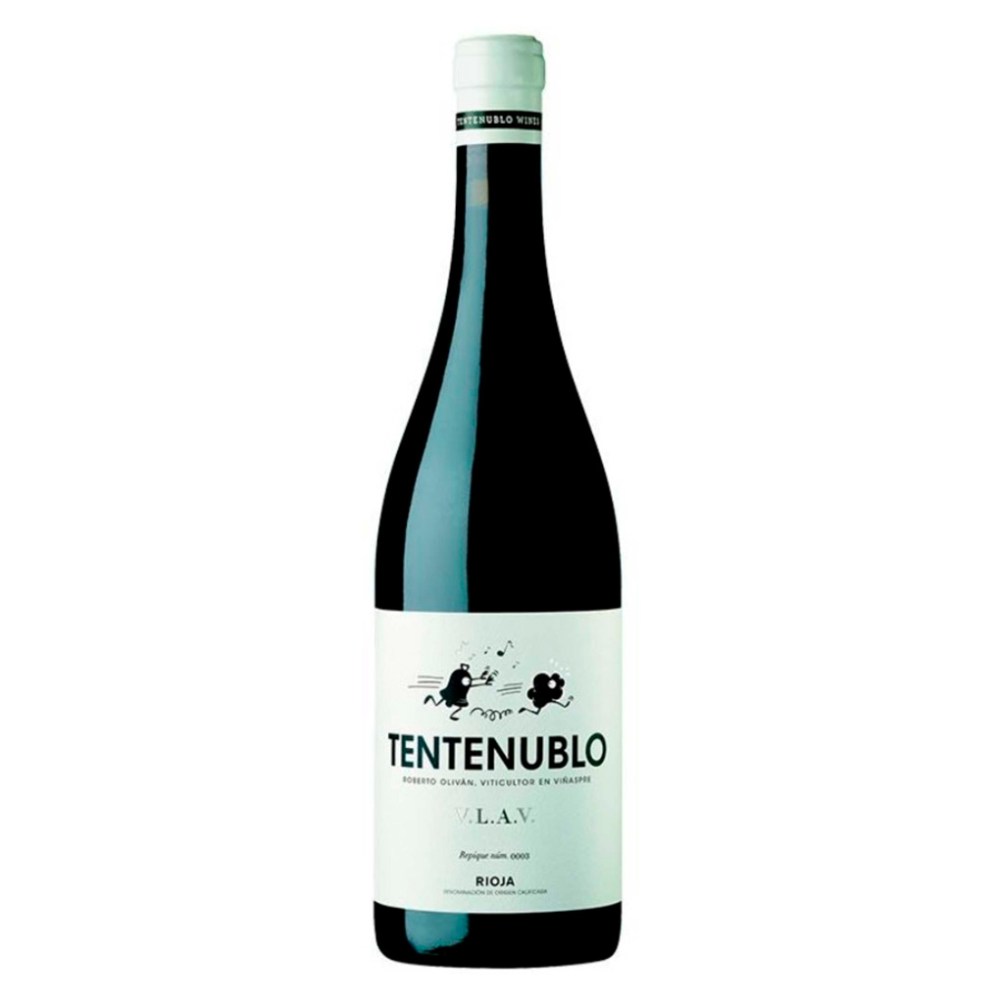
Tentenublo 2018 (Rioja, Spain — around $27, private wine stores)
The fruit-forward aromatic components on this deep-coloured red are off the charts — think blackberry, violet, plum, raspberry and kirsch. It’s full-bodied and fruit-driven, with the 11 months in French oak taking a backseat to the an explosion of chewy ripe blackberry, plum and raspberry flavours, and secondary bread dough and black tea notes that add complexity before a long, warm finish. 4.5/5
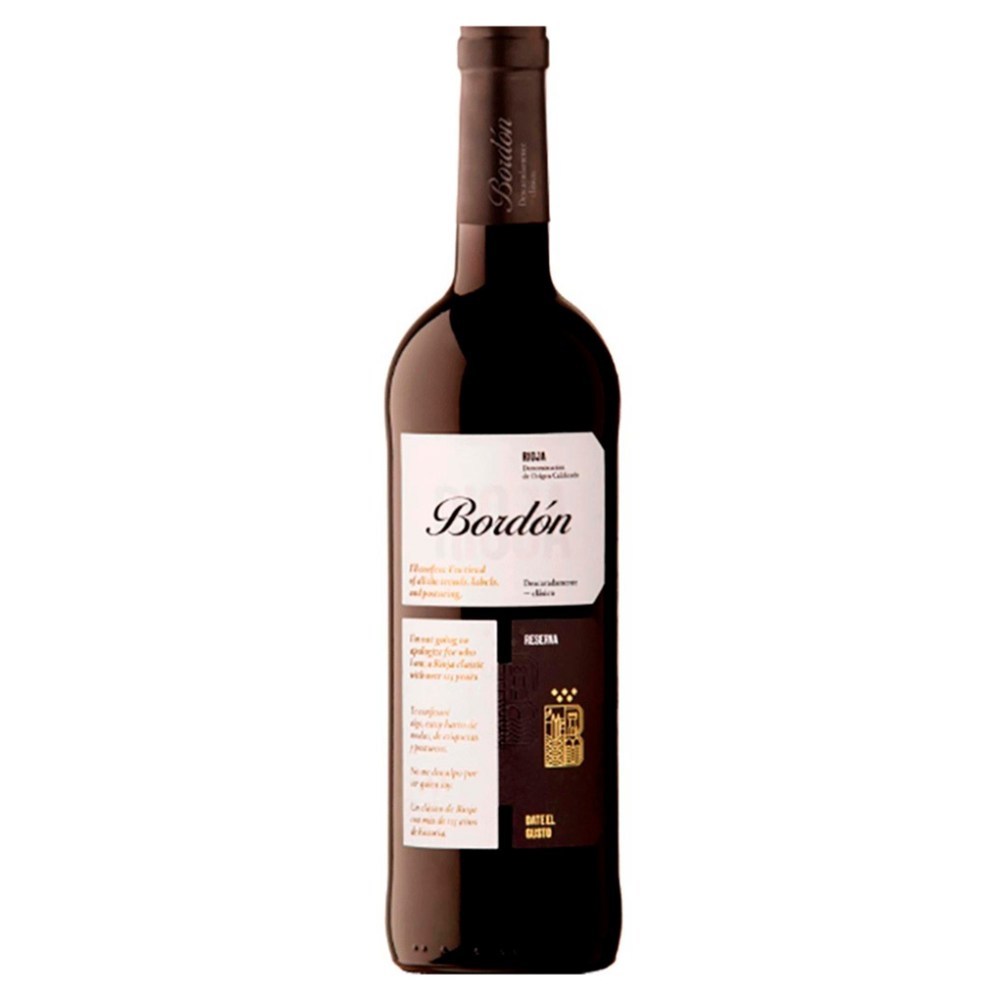
Bordón 2014 Reserva (Rioja, Spain — $22.99, Liquor Marts and beyond)
There’s some Garnacha and Mazuelo blended into the Tempranillo, all of which spent 18 months in French and American oak barrels. Aromatically there are loads of leather and spice aromas that come with the plum, blueberry and raspberry notes. It’s dry, full-bodied and rustic — classic for this calibre of Rioja red — with blueberry, raspberry and plum flavours delivered with loads of white pepper and black tea via the grippy tannins. Drink now after letting breathe in a glass for half an hour, or two to three years in the cellar is fine. 4/5
uncorked@mts.net
Twitter: @bensigurdson
Ben Sigurdson
Literary editor, drinks writer
Ben Sigurdson is the Free Press‘s literary editor and drinks writer. He graduated with a master of arts degree in English from the University of Manitoba in 2005, the same year he began writing Uncorked, the weekly Free Press drinks column. He joined the Free Press full time in 2013 as a copy editor before being appointed literary editor in 2014. Read more about Ben.
In addition to providing opinions and analysis on wine and drinks, Ben oversees a team of freelance book reviewers and produces content for the arts and life section, all of which is reviewed by the Free Press’s editing team before being posted online or published in print. It’s part of the Free Press‘s tradition, since 1872, of producing reliable independent journalism. Read more about Free Press’s history and mandate, and learn how our newsroom operates.
Our newsroom depends on a growing audience of readers to power our journalism. If you are not a paid reader, please consider becoming a subscriber.
Our newsroom depends on its audience of readers to power our journalism. Thank you for your support.
Ben Sigurdson
Literary editor, drinks writer
Ben Sigurdson is the Free Press‘s literary editor and drinks writer. He graduated with a master of arts degree in English from the University of Manitoba in 2005, the same year he began writing Uncorked, the weekly Free Press drinks column. He joined the Free Press full time in 2013 as a copy editor before being appointed literary editor in 2014. Read more about Ben.
In addition to providing opinions and analysis on wine and drinks, Ben oversees a team of freelance book reviewers and produces content for the arts and life section, all of which is reviewed by the Free Press’s editing team before being posted online or published in print. It’s part of the Free Press‘s tradition, since 1872, of producing reliable independent journalism. Read more about Free Press’s history and mandate, and learn how our newsroom operates.
Our newsroom depends on a growing audience of readers to power our journalism. If you are not a paid reader, please consider becoming a subscriber.
Our newsroom depends on its audience of readers to power our journalism. Thank you for your support.
Advertisement Advertise With Us
Advertisement Advertise With Us