

A real game-changer
Legacy versions provide expanding stories, evolving rules and multiple plays
Advertisement
Read this article for free:
or
Already have an account? Log in here »
To continue reading, please subscribe:
Digital Subscription
One year of digital access for only $75*
- Enjoy unlimited reading on winnipegfreepress.com
- Read the E-Edition, our digital replica newspaper
- Access News Break, our award-winning app
- Play interactive puzzles
*Billed as $5.77 plus GST every four weeks. After 52 weeks, price increases to the regular rate of $19.95 plus GST every four weeks. Offer available to new and qualified returning subscribers only. Cancel any time.
Monthly Digital Subscription
$4.99/week*
- Enjoy unlimited reading on winnipegfreepress.com
- Read the E-Edition, our digital replica newspaper
- Access News Break, our award-winning app
- Play interactive puzzles
*Billed as $19.95 plus GST every four weeks. Cancel any time.
To continue reading, please subscribe:
Add Free Press access to your Brandon Sun subscription for only an additional
$1 for the first 4 weeks*
- Enjoy unlimited reading on winnipegfreepress.com
- Read the E-Edition, our digital replica newspaper
- Access News Break, our award-winning app
- Play interactive puzzles
*Your next Brandon Sun subscription payment will increase by $1.00 and you will be charged $17.95 plus GST for four weeks. After four weeks, your payment will increase to $24.95 plus GST every four weeks.
Read unlimited articles for free today:
or
Already have an account? Log in here »
Hey there, time traveller!
This article was published 07/03/2020 (2268 days ago), so information in it may no longer be current.
Do you want to know a secret? I love Star Trek.
I am partial to The Next Generation, but enjoy all of the iterations of that beloved franchise. For the most part, the series formula was episodic. The Enterprise and its crew (or whatever ship we were following) went on an adventure, encountered some kind of an obstacle, and eventually overcame that obstacle within the confines of each 44-minute show.
In contrast, more recent Star Trek spinoffs, such as Discovery, have adopted the serial format. The context of previous episodes is crucial to understanding the others. One of the benefits of this format is that the show’s writers aren’t limited to writing a storyline that needs to resolve within 44 minutes. They have the freedom to develop a complex plot over an entire season of shows.
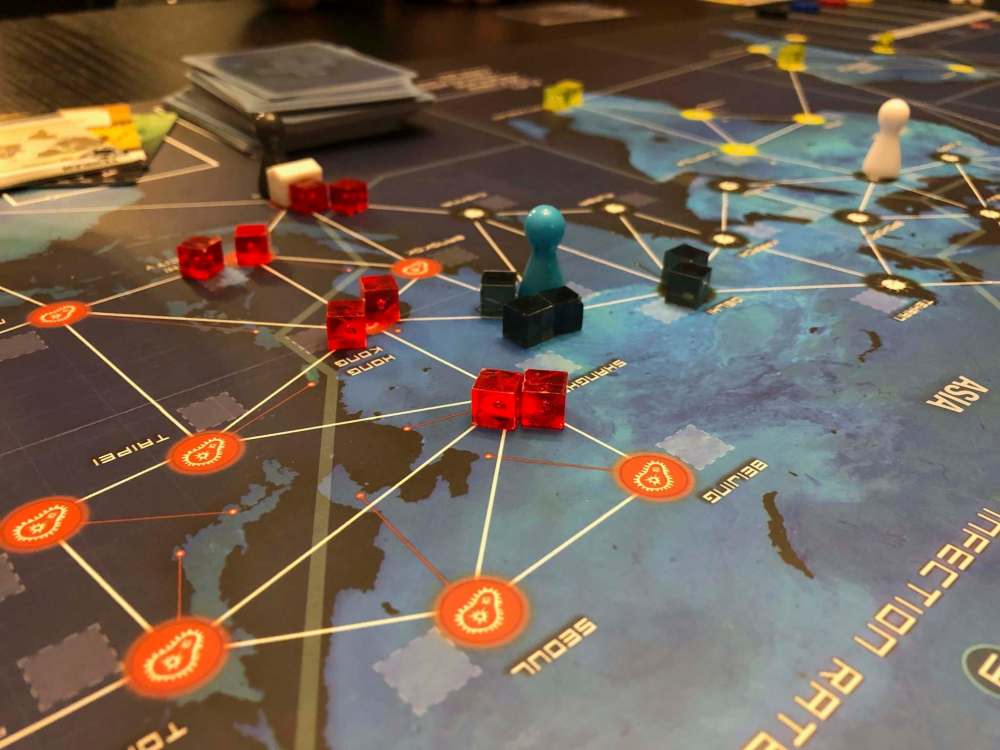
Board games are episodic by default. Game play has a beginning, a challenge and an end within a single play-through. Take Catan for example: During each game, the players discover and settle the island, but the actual storyline is different every time. Once the game is over, we reset and play again with the same theme, components and rules, but with a different plot and outcome.
The game Clue is another good example. The same group of guests come to the same dinner party over and over again, each time experiencing a different murder, motive and weapon.
At some point, game designers began to wonder if they could develop a game that worked within a serial format. What if there was a larger story arc that could be experienced over several game plays? What if each game picked up where the previous one ended and, depending on the outcome of the current game, affected the shape of future plays? In board-gaming lingo this concept has been called a “legacy game.”
In legacy games, the rules and components change over time, based on the outcome of each play-through and the choices made by the players. Often, they include physical changes made to the actual board.
The changes made in a legacy game are designed to be permanent, and its full experience is played out in a series of play-throughs (also referred to as a campaign), each of which can only be played once. Once the series has been completed, players would need to purchase another copy of the game (or “recharge pack”) in order to relive the experience.
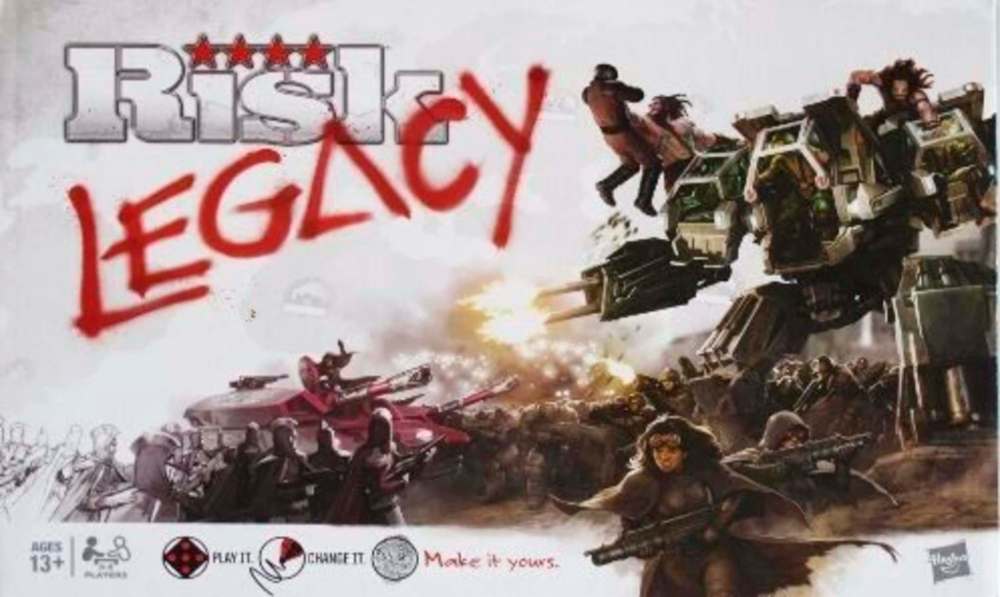
One of the first legacy style games was Risk Legacy, which was designed by Rob Daviau and published in 2011. While basic gameplay is the same as the non-legacy version, Risk Legacy’s defining feature is that it allows a larger story to be told. Once a single game is over, players permanently change the board by giving names to continents, introducing new cards or other components.
The next game picks up wherever the previous one ended, and the game board and rules evolve from game to game. Whoever compiles the most victories over 15 play-throughs would be declared the overall winner. Given the average length of a single play-through, the full game could last for months.
Risk Legacy introduced the concept of serial games to the board gaming community, but when Daviau teamed up with Pandemic designer Matt Leacock to create Pandemic Legacy, a runaway hit was born.
Just like Risk Legacy, the game can be played in 12 to 24 sessions (depending how well players do) and tells one epic, movie-style story, which unfolds from game to game. Pandemic Legacy became a huge success and was the No. 1 game on boardgamegeek.com for quite a while.
Since then, other titles have incorporated the serial concept, including Machi Koro Legacy, Betrayal Legacy, Charterstone and Gloomhaven.
Playing a legacy game is a unique experience. Players need to consider the ramifications of their actions across many play-throughs rather than just a single game.
It also provides the excitement of an evolving story. It’s kind of like watching a movie unfold on your gaming table. Even though it is possible to change players within a legacy campaign, the game experience is best if you are playing with the same group of people every time.
Before you dive into a legacy game, see if you can find players who are willing to commit to an extended experience. Though these games can usually be played only once, the experience is worth every penny, as they often have at least 12 individual play-throughs. Here are my top suggestions for exploring the world of legacy gaming:
Pandemic Legacy
2-4 players, ages 13 and up
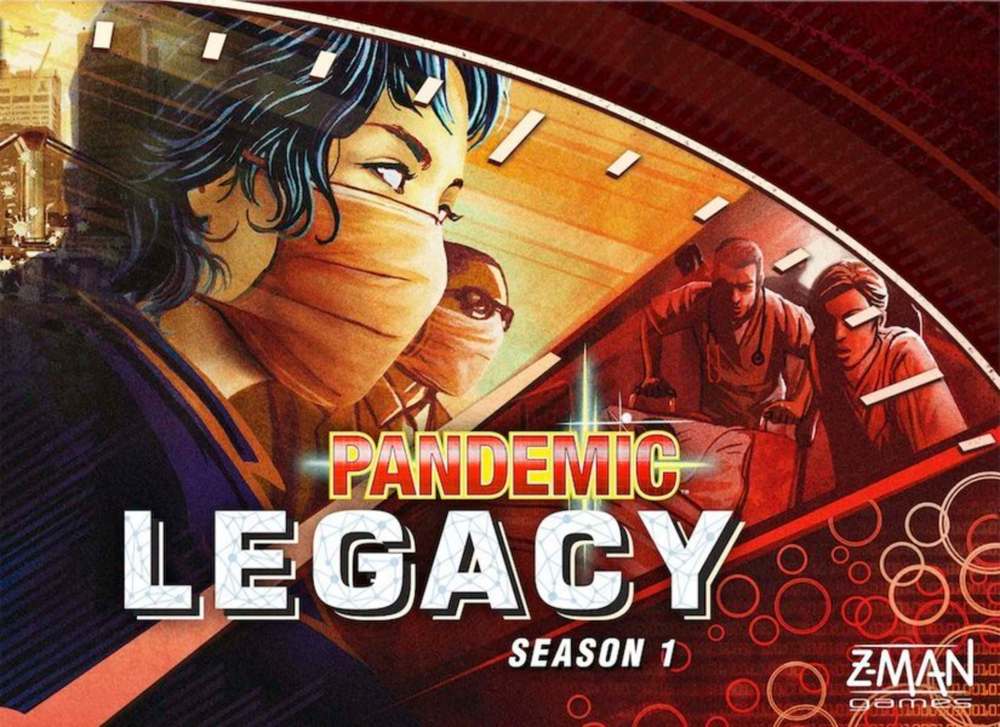
The game starts out similarly to the non-legacy version of Pandemic. Your team of disease-fighting specialists races against the clock and travels around the world, treating disease hotspots and researching cures for four plagues before they get out of hand. Throughout the campaign, new rules and components are introduced.
In response to the success of Pandemic Legacy, there is now a Pandemic Legacy Season 2 available, which offers a whole new storyline to those fans who have completed the first campaign and are pining for more.
Machi Koro Legacy
2-4 players, ages 10 and up
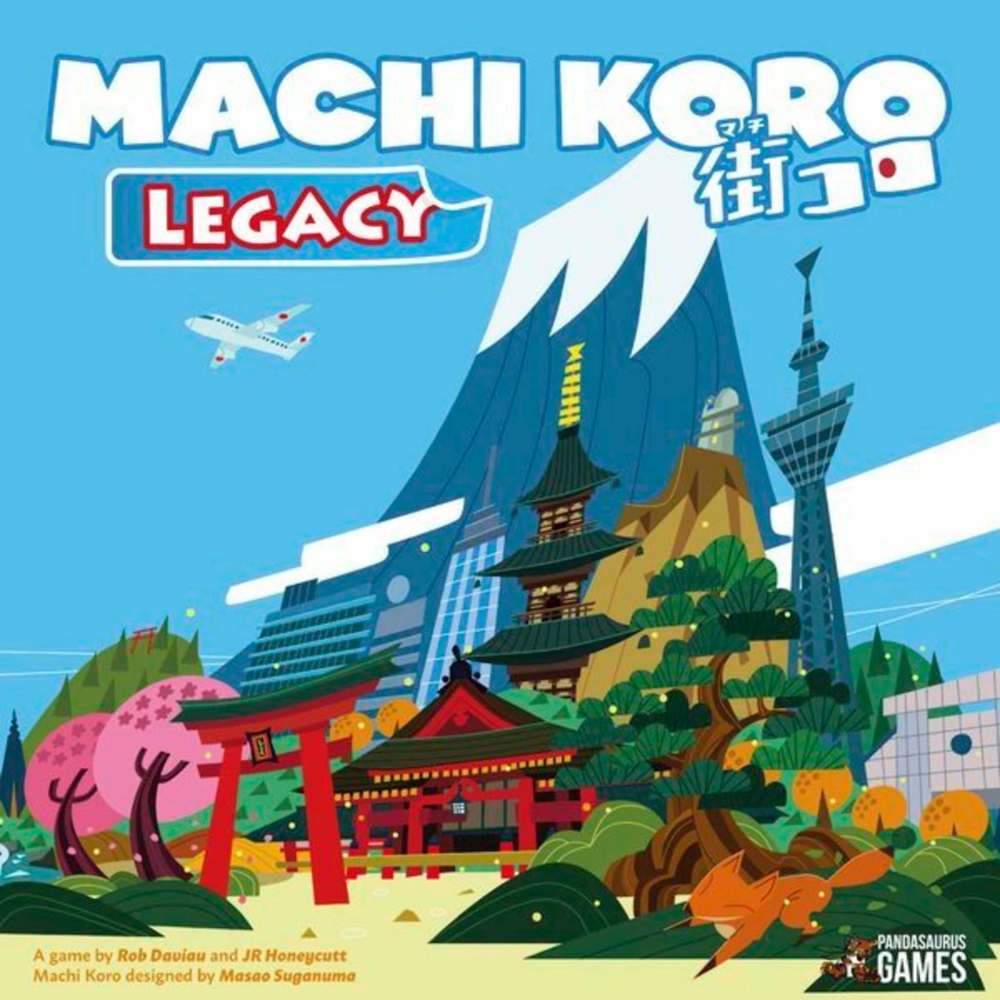
Features the same gameplay as the original Machi Koro. You are still rolling dice, collecting income and racing to build landmarks. However, it is possible to unlock new items and rules, which change the overall game. As things progress, you’ll learn about the weird secrets hidden beneath the land you’re building on. It features 10 play-throughs with a storyline that developes in response to player choices.
Risk Legacy
3-5 players, ages 13 and up

A treat for any Risk fan. At the beginning, it plays like the original version. Players control countries or regions on a map of the world and try to eliminate all opponents from the game board or control a certain number of victory points. What’s different is that Risk Legacy changes over time based on the outcome of each game and the various choices made by players. In each game, players choose one of five factions; each faction has uniquely shaped pieces, and more importantly, different rules.
Betrayal Legacy
3-5 players, ages 13 and up
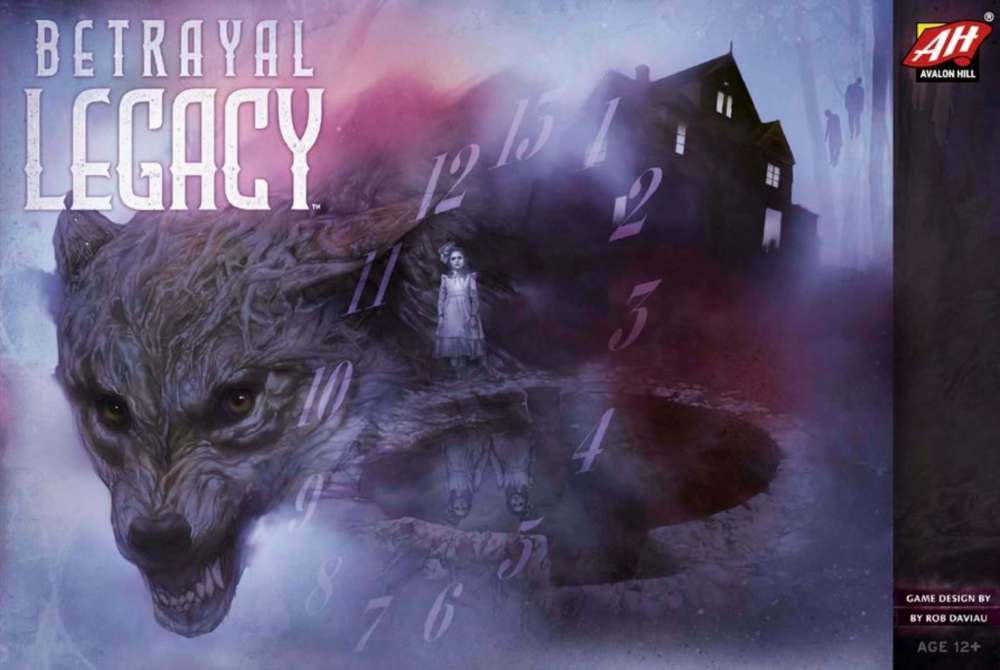
This is based on Betrayal at House on the Hill, the DIY haunted-house builder where you get to murder your mates. The game’s legacy adaptation adds an ongoing story to the proceedings. There are 14 chapters/individual games in total. You’ll create a unique history of the house and uncover plenty of terrible secrets, while each playthrough adds a new bloody chapter determined by player actions. Ultimately, your decisions will shape the house — which, unlike some of the aforementioned “one-and-done” legacy games, can be replayed endlessly once the campaign is complete.
Olaf Pyttlik is a Winnipeg board-game enthusiast and co-owner of Across the Board Game Café. In a regular column, he looks at the renaissance of board games and shares games ideas for families and friends of all ages. Email him at olaf@acrosstheboardcafe.com.