For Arbor Day, plant a tree resilient to climate change
Advertisement
Read this article for free:
or
Already have an account? Log in here »
To continue reading, please subscribe:
Digital Subscription
One year of digital access for only $1.44 a week*
- Enjoy unlimited reading on winnipegfreepress.com
- Read the E-Edition, our digital replica newspaper
- Access News Break, our award-winning app
- Play interactive puzzles
*Billed as $5.77 plus GST every four weeks. After 52 weeks, price increases to the regular rate of $19.95 plus GST every four weeks. Offer available to new and qualified returning subscribers only. Cancel any time.
To continue reading, please subscribe:
Add Free Press access to your Brandon Sun subscription for only an additional
$1 for the first 4 weeks*
- Enjoy unlimited reading on winnipegfreepress.com
- Read the E-Edition, our digital replica newspaper
- Access News Break, our award-winning app
- Play interactive puzzles
*Your next Brandon Sun subscription payment will increase by $1.00 and you will be charged $17.95 plus GST for four weeks. After four weeks, your payment will increase to $24.95 plus GST every four weeks.
Read unlimited articles for free today:
or
Already have an account? Log in here »
Hey there, time traveller!
This article was published 25/04/2023 (1275 days ago), so information in it may no longer be current.
Trees are long-term investments that often outlive the people who plant them. And with the world’s climate changing fast, we now need to consider whether the trees we plant today will be able to withstand the changing conditions in our gardens over the next 30, 50 or even 100 years.
“Things are changing faster than the lifespan of trees,” said Daniel Herms, an entomologist specializing in the resiliency of trees at the research branch of the Davey Tree Expert Co., a landscaping firm based in Kent, Ohio.
Over the next few decades, some trees will thrive and others won’t, “depending on traits that make them adapt to the changing climate,” he said. Those changes include rising temperatures, and rain and drought patterns.
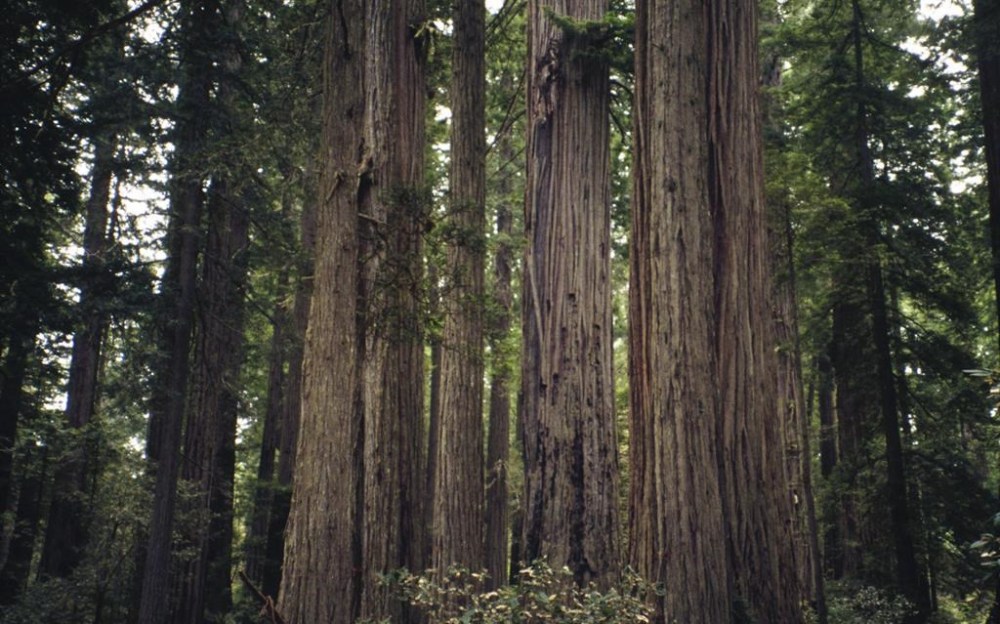
Even some iconic state trees are not considered resilient in their own states, Herms said. For example, California’s coastal redwoods “are very dependent on the moisture that comes from fog, and that fog is being reduced.”
Other state trees that are vulnerable to climate change in their state, although they could be resilient elsewhere, include, according to Herms:
• Colorado’s blue spruce • Idaho’s Western white pine • Maine’s Eastern white pine • Minnesota’s red pine • Nevada’s single-leaf pinon • New Hampshire’s white birch • New Mexico’s pinon pine • Oregon’s Douglas fir • Pennsylvania’s hemlock • South Dakota’s black hills spruce • Utah’s blue spruce • West Virginia’s sugar maple
If you are growing a tree that has been deemed vulnerable in your area, there’s no need to replace it, he said.
“In most cases, it can continue to grow in the residential landscape with a proactive healthcare program,” he said. That means making conditions as favorable as possible by providing proper irrigation, insect and disease protection and treatment, and a good nutrition program, all of which help trees tolerate stress better. A credentialed, certified arborist can help.
When selecting new trees, gardeners and landscapers should choose species that are well-adapted not only to the current environment but that can adapt to the new one they’ll experience in their lifetime, Herms said.
This is especially important since trees are one of the solutions to climate change.
In addition to producing oxygen, trees provide shade and natural cooling during the summer, especially in cities. “They also reduce stormwater runoff and sequester and store carbon, so they can contribute to climate goals as we get closer to net zero,” Herms said, using a term defined by the U.N. as the goal of “cutting greenhouse gas emissions to as close to zero as possible, with any remaining emissions re-absorbed from the atmosphere, by oceans and forests.”
Arbor Day, which falls nationally this Friday (April 28) in the U.S., is the annual observance of the importance of planting trees. The date varies in some states and countries based upon the ideal tree-planting date there.
If you’re planning to plant a tree this spring, Herms suggests selecting a species that currently thrives in your horticultural zone (see https://planthardiness.ars.usda.gov/ ) as well as two zones warmer. For example, a homeowner in Zone 6 should seek out trees that are well-suited for Zones 6-8.
Your local cooperative extension office and some large arboretums with research divisions in your state may be able to offer further guidance on tree selection, as many are compiling data and formulating recommendations.
To reduce stress and help ensure your new tree thrives, dig a hole exactly as deep and twice as wide as the tree’s root ball. Incorporate a generous helping of compost into the backfill. Keep it well watered, especially during the first three years as it becomes established. Trees generally require 1 inch of water per week, either from rainfall, supplemental irrigation or a combination, Herms said.
As the old saying goes, “the best time to plant a tree was 20 years ago. The second-best time is today.”
—-
Jessica Damiano writes regular gardening columns for The Associated Press. She publishes the award-winning Weekly Dirt Newsletter. Sign up here for weekly gardening tips and advice.
___
For more AP gardening stories, go to https://apnews.com/hub/gardening.