5 takeaways from AP’s series on health disparities impacting Black Americans
Advertisement
Read this article for free:
or
Already have an account? Log in here »
To continue reading, please subscribe:

Digital Subscription
One year of digital access for only $205*
- Enjoy unlimited reading on winnipegfreepress.com
- Read the E-Edition, our digital replica newspaper
- Access News Break, our award-winning app
- Play interactive puzzles
*First annual payment billed as $205.00 + GST for one year. This annual subscription will automatically renew at $233.00 + GST every 52 weeks (10% off the regular annual price of $259.35). Offer available to new and qualified returning subscribers only. Cancel any time.
To continue reading, please subscribe:
Add Free Press access to your Brandon Sun subscription for only an additional
$1 for the first 4 weeks*
- Enjoy unlimited reading on winnipegfreepress.com
- Read the E-Edition, our digital replica newspaper
- Access News Break, our award-winning app
- Play interactive puzzles
*Your next Brandon Sun subscription payment will increase by $1.00 and you will be charged $17.95 plus GST for four weeks. After four weeks, your payment will increase to $24.95 plus GST every four weeks.
Read unlimited articles for free today:
or
Already have an account? Log in here »
Hey there, time traveller!
This article was published 22/05/2023 (1224 days ago), so information in it may no longer be current.
The Associated Press spent a year examining how racial health disparities have harmed generations of Black Americans.
From birth to death, Black Americans fare worse in measures of health compared to their white counterparts. They have higher rates of infant and maternal mortality, higher incidence of asthma during childhood, more difficulty treating mental illness as teens, and higher rates of high blood pressure, Alzheimer’s disease and other illness as adults.
Here are the key takeaways from each story:
WHY ARE BLACK BABIES AND MOTHERS MORE LIKELY TO DIE?
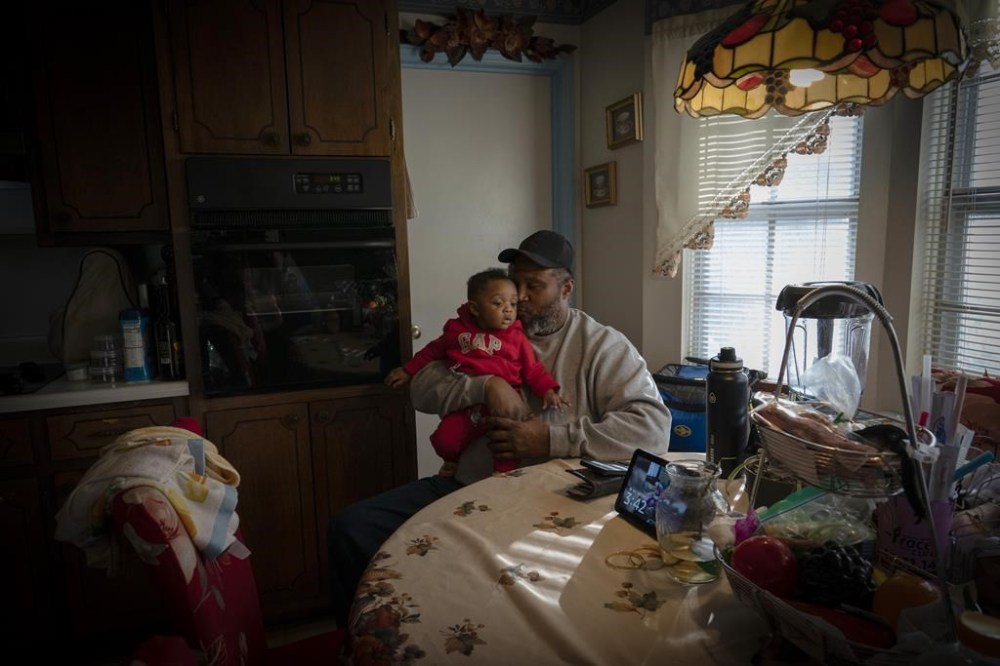
Black women have the highest maternal mortality rate in the United States — 69.9 per 100,000 live births for 2021, almost three times the rate for white women, according to the Centers for Disease Control and Prevention. The 2021 rate was a significant increase from the prior year.
Black babies are also more likely to die, and also far more likely to be born prematurely, setting the stage for health issues that could follow them through their lives. In 2020, there were 364,487 preterm births in the nation, about 1 in 10. Preterm birth rates were highest for Black infants, 14.2%, between 2018 and 2020.
Multiple factors contribute to these disparities, according to the CDC and advocacy organizations, such as underlying health conditions. But more doctors and experts have pointed to the role of structural racism that has created inequitable access to health care, implicit bias and discriminatory care. Poor health care or outcomes for Black mothers in turn can create issues for their babies, putting them at risk for future health problems down the road.
WHY DO MORE BLACK KIDS HAVE ASTHMA?
Black children are more likely to have asthma and to be exposed to certain triggers, like mold and air pollution. Their asthma often is more severe and less likely to be controlled. About 4 million kids in the U.S. have asthma. The percentage of Black children with asthma is far higher than white kids; more than 12% of Black kids nationwide suffer from the disease, compared with 5% of white children.
Some of the high rates of asthma among Black children are tied to genetics — family histories of allergies, and frequent respiratory infections. But much of the disparity lies in the same racist factors that afflict Black peoples’ health from birth to death.
With asthma, especially for kids, where you live makes all the difference. And where you live often depends on your race. Black Americans are more at risk of living in homes with asthma triggers, like cockroaches, dust mites, mold and rodents. Research also shows that air pollution can worsen asthma.
Across America, nearly 4 in 10 Black children live in areas with poor environmental and health conditions compared to 1 in 10 white children. Factories spew nitrogen oxide and particulate matter. Idling trucks and freeway traffic kick up noxious fumes and dust.
The disparities are built into a housing system shaped by the longstanding effects of slavery and Jim Crow-era laws. Many of the communities that have substandard housing today or are located near toxic sites are the same as those that were segregated and redlined decades ago.
HOW DOES RACISM AFFECT BLACK TEENS’ MENTAL HEALTH?
About 50% of Black youth experience moderate to severe symptoms of depression, and about 18% said they were exposed to racial trauma often or very often in their life.
The drivers of the mental health crisis for Black children begin early and persist through a lifetime. Black children’s first encounters with racism can start before they are even in school, and Black teenagers report experiencing an average of five instances of racial discrimination per day. Young Black students are often perceived as less innocent and older than their age, leading to disproportionately harsher discipline in schools.
Black adolescents are far less likely than their white peers to seek and find mental health care. In part, that’s because Black families often distrust the medical system after generations of mistreatment — from lack of access to care to being subjected to racist practices and experimentation.
The country also has a shortage of providers who understand the roles that racial identity and racism play in shaping young Black people’s mental health. Research and health surveillance data point to a growing mental health crisis among Black youth over decades. Between 1991 and 2019, Black adolescents had the highest increase among any other group in prevalence of suicide attempts — a rise of nearly 80%.
WHAT ROLE HAS HIGH BLOOD PRESSURE PLAYED IN COVID DEATHS OF BLACK AMERICANS?
High blood pressure has played a major role in COVID deaths, and especially in the COVID deaths of Black people. Together, they have created a deadly combination: While it is listed as a contributing factor in 15.5% of the deaths of white COVID sufferers, the figure for Black victims is 21.4% — the highest of any racial group.
About 56% of Black adults have high blood pressure, compared to 48% of white people. Three in four African Americans are likely to develop the disorder by age 55.
While only 32% of white adults with high blood pressure have their condition under control with medication, the figure for Black Americans is even lower — 25%.
And it’s likely to get worse: By 2060, the number of Americans battling cardiovascular disease is expected to drastically increase. High blood pressure rates alone are projected to rise 27.2%, or from roughly 127.8 million to 162.5 million Americans.
Among white people, the prevalence of cardiovascular risk factors and disease is projected to decrease over time. Yet significant increases are projected among people of color, especially Black and Latino Americans.
Like many conditions, genetics do play a part. Experts also blame poor diets, high cholesterol, obesity and smoking — risk factors that often exist at higher rates in Black communities. Also, in recent years, more academics and doctors have called attention to structural inequities that have an outsized impact. Black neighborhoods are more likely to experience a lack of access to healthy foods or be inundated with fast food options.
WHY DO SO MANY BLACK PEOPLE DEVELOP ALZHEIMER’S DISEASE?
Black Americans are more likely than white people to develop Alzheimer’s. About 14% of Black Americans over the age of 65 have Alzheimer’s, compared with 10% of white Americans, according to the Centers for Disease Control and Prevention. Experts believe the rates could be even higher.
Health conditions like cardiovascular disease and diabetes experienced in earlier stages of life are known risk factors — both of which are more common among Black and Latino populations. Depression, high blood pressure, obesity and chronic stress are also risk factors. The CDC also acknowledges the impact of “higher rates of poverty, and greater exposure to adversity and discrimination” as risk factors.
Across the board, Black people are also unlikely to receive the health care that white people do — including necessary medication to treat Alzheimer’s and dementia-related disorders. A preliminary study released this year by Mount Sinai researchers found that Black people are less likely to receive dementia-related medications than white people.
Black and Latino populations are expected to rise in coming years, and so are the number of their cases of Alzheimer’s and related disorders. Cases among Black Americans are projected to increase four times over today’s estimates and Latino Americans could increase seven times, according to the CDC.

Some advocates estimate that by 2030, nearly 40% of all Americans living with Alzheimer’s could be Black or Latino. But the projected rise in cases isn’t just tied to population growth.
While evidence exists that certain genetic risk factors could differ by race and be a driver, the large disparities among racial groups can’t be explained just by genetics, experts say.
And the sheer trauma of experiencing racism is also believed to be a contributing factor.
___
Kat Stafford, based in Detroit, is a national investigative race writer for the AP’s Race and Ethnicity team. She was a 2022 Knight-Wallace Reporting Fellow at the University of Michigan. Follow her on Twitter: https://twitter.com/kat__stafford.