Phoenix becomes largest US city to successfully challenge 2020 census numbers
Advertisement
Read this article for free:
or
Already have an account? Log in here »
To continue reading, please subscribe:

Digital Subscription
One year of digital access for only $205*
- Enjoy unlimited reading on winnipegfreepress.com
- Read the E-Edition, our digital replica newspaper
- Access News Break, our award-winning app
- Play interactive puzzles
*First annual payment billed as $205.00 + GST for one year. This annual subscription will automatically renew at $233.00 + GST every 52 weeks (10% off the regular annual price of $259.35). Offer available to new and qualified returning subscribers only. Cancel any time.
To continue reading, please subscribe:
Add Free Press access to your Brandon Sun subscription for only an additional
$1 for the first 4 weeks*
- Enjoy unlimited reading on winnipegfreepress.com
- Read the E-Edition, our digital replica newspaper
- Access News Break, our award-winning app
- Play interactive puzzles
*Your next Brandon Sun subscription payment will increase by $1.00 and you will be charged $17.95 plus GST for four weeks. After four weeks, your payment will increase to $24.95 plus GST every four weeks.
Read unlimited articles for free today:
or
Already have an account? Log in here »
Hey there, time traveller!
This article was published 30/05/2023 (1219 days ago), so information in it may no longer be current.
Phoenix has become the largest U.S. city to successfully challenge its population count from the 2020 census after claiming that dozens of group homes, jails and drug and alcohol treatment centers were overlooked during the nation’s head count.
The U.S. Census Bureau told Phoenix Mayor Kate Gallego last week that the statistical agency had approved its submission claiming that 3,550 people in 192 group quarter facilities were missed during the once-a-decade census. The facilities included drug and alcohol treatment centers, a memory care center for people with Alzheimer’s and a residential facility for juveniles needing mental health care.
The count of every U.S. resident determines political representation and how $1.5 trillion in federal spending is distributed for transportation, health and other programs.
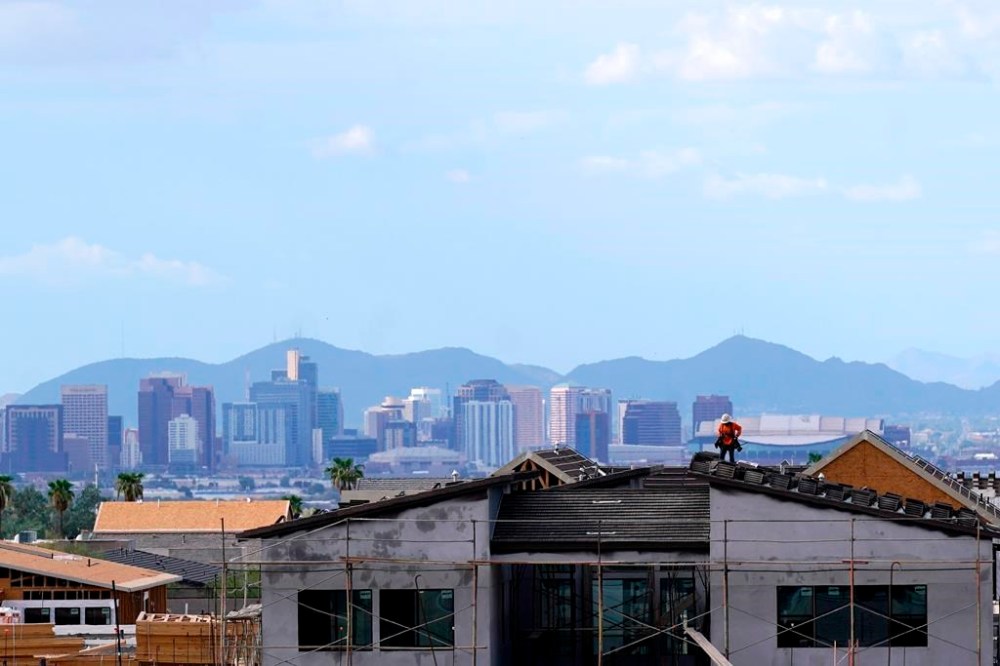
The additional figures will be included in future population estimates for Phoenix released each year until the next census in 2030, the bureau said in a letter to the mayor. The census determined that Phoenix was the fastest-growing big city in the U.S. between 2010 and 2020, increasing by 11.2% to 1.6 million residents and making it the fifth most populous U.S. city.
The successful challenge by Phoenix won’t change how many congressional seats Arizona got during the apportionment process, or the more detailed numbers used for redrawing political boundaries.
The Census Bureau has received more than 100 submissions challenging the numbers from cities, towns and villages of all sizes across the U.S., including Austin, Texas; Boston; Detroit; Memphis, Tennessee; and Milwaukee. State, tribal and local governments have until the end of June to file challenges.
While many of these cities aren’t getting the results they had hoped for, there have been some successes from challenges to totals of “group quarters” — dorms, jails and nursing homes — similar to the Phoenix case. Group quarters were among the most difficult to count in 2020 as campuses closed and prisons and nursing homes were locked down at the start of the COVID-19 pandemic. The Census Bureau created a separate program to handle these challenges.
Boston, a hub of higher education, believed the 2020 census missed more than 6,000 students living in university housing and 419 inmates at local jails. The Census Bureau approved its submission. Detroit also succeeded with a challenge in which it claimed that the census missed 1,478 people in 61 group quarters.

___
Follow Mike Schneider on Twitter at @MikeSchneiderAP