Childhood immunization rates stayed same during 1st part of pandemic: StatCan
Advertisement
Read this article for free:
or
Already have an account? Log in here »
To continue reading, please subscribe:

Digital Subscription
One year of digital access for only $205*
- Enjoy unlimited reading on winnipegfreepress.com
- Read the E-Edition, our digital replica newspaper
- Access News Break, our award-winning app
- Play interactive puzzles
*First annual payment billed as $205.00 + GST for one year. This annual subscription will automatically renew at $233.00 + GST every 52 weeks (10% off the regular annual price of $259.35). Offer available to new and qualified returning subscribers only. Cancel any time.
To continue reading, please subscribe:
Add Free Press access to your Brandon Sun subscription for only an additional
$1 for the first 4 weeks*
- Enjoy unlimited reading on winnipegfreepress.com
- Read the E-Edition, our digital replica newspaper
- Access News Break, our award-winning app
- Play interactive puzzles
*Your next Brandon Sun subscription payment will increase by $1.00 and you will be charged $17.95 plus GST for four weeks. After four weeks, your payment will increase to $24.95 plus GST every four weeks.
Read unlimited articles for free today:
or
Already have an account? Log in here »
Hey there, time traveller!
This article was published 13/06/2023 (1207 days ago), so information in it may no longer be current.
A Statistics Canada survey shows routine childhood immunization rates stayed about the same during the first part of the COVID-19 pandemic.
The Childhood National Immunization Coverage Survey, released on Monday, says by March 2021, national vaccination coverage rates were similar to those found in the last survey conducted in 2019.
The StatCan report cautions that although it looks like the early disruptions from COVID-19 didn’t have much influence on national childhood immunization rates, many children captured in the survey would have already had some or all of their recommended shots before the pandemic began.
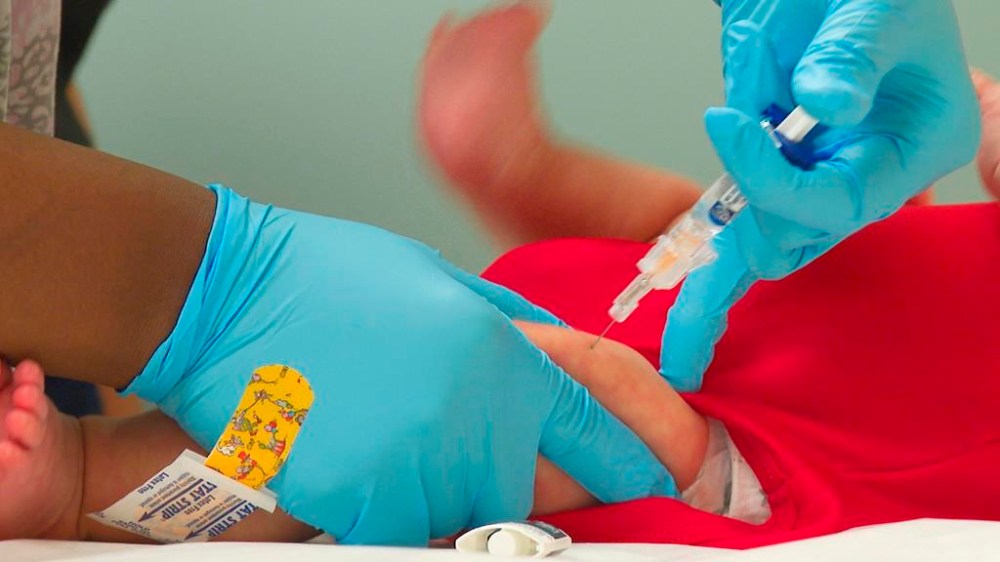
According to the survey, in March 2021, 92 per cent of two-year-olds in Canada had been vaccinated against measles and polio — similar to the vaccination rates in 2019.
More than three-quarters of two-year-olds had received the recommended shots for diphtheria, tetanus and pertussis (whooping cough). That was only one per cent lower than the rate in 2019.
Eighty-seven per cent of two-year-olds had received their varicella (chickenpox) vaccine — four per cent higher than the 2019 varicella vaccination rate.
By March 2021, 77 per cent of seven-year-olds got their booster shot against diphtheria, tetanus and pertussis. That was the same rate as in 2019.
Eighty-six per cent of 14-year-old girls had the HPV vaccine by March 2021, similar to the rate in 2019.
The HPV vaccination rate for 14-year-old boys rose from 73 per cent in 2019 to 81 per cent in 2021.
The rate of meningococcal vaccination among 17-year-olds was 89 per cent in 2021, similar to 2019.

The survey also found the vast majority of Canadian parents and guardians in 2021 believed that routine childhood vaccinations are safe and effective.
Mark Comeau, manager of the Childhood National Immunization Coverage Survey, says the results give a “partial measure” of the pandemic’s impact on routine pediatric vaccinations.
He says data from the next survey, which comes out every two years, will provide information about vaccination rates later in the pandemic.
This report by The Canadian Press was first published June 13, 2023.
Canadian Press health coverage receives support through a partnership with the Canadian Medical Association. CP is solely responsible for this content.