Theme parks bounced back in 2022 from pandemic lows with revenue, if not attendance
Advertisement
Read this article for free:
or
Already have an account? Log in here »
To continue reading, please subscribe:

Digital Subscription
One year of digital access for only $205*
- Enjoy unlimited reading on winnipegfreepress.com
- Read the E-Edition, our digital replica newspaper
- Access News Break, our award-winning app
- Play interactive puzzles
*First annual payment billed as $205.00 + GST for one year. This annual subscription will automatically renew at $233.00 + GST every 52 weeks (10% off the regular annual price of $259.35). Offer available to new and qualified returning subscribers only. Cancel any time.
To continue reading, please subscribe:
Add Free Press access to your Brandon Sun subscription for only an additional
$1 for the first 4 weeks*
- Enjoy unlimited reading on winnipegfreepress.com
- Read the E-Edition, our digital replica newspaper
- Access News Break, our award-winning app
- Play interactive puzzles
*Your next Brandon Sun subscription payment will increase by $1.00 and you will be charged $17.95 plus GST for four weeks. After four weeks, your payment will increase to $24.95 plus GST every four weeks.
Read unlimited articles for free today:
or
Already have an account? Log in here »
Hey there, time traveller!
This article was published 15/06/2023 (1206 days ago), so information in it may no longer be current.
ORLANDO, Fla. (AP) — Last year marked a return to normal for the theme park industry around the world with operators reporting revenues, and in some cases attendance, at par or above pre-pandemic levels, according to a new report.
Globally, the theme park industry hit a peak in 2019, the year before the spread of the COVID-19 virus forced many parks and attractions to shut down temporarily and then reopen with restrictions on attendance.
Many operators focused on improving visitor experiences through adapting app-based technologies and that paid off with revenues in 2022 that surpassed 2019 levels, even if attendance had not bounced back in the same way, according to the report released Wednesday by the Themed Entertainment Association and AECOM, the design and engineering firm.
“The pandemic revealed a sophisticated consumer base that is willing to pay more for out of home entertainment and experiences. However, consumers also demand more in terms of comfort, ease, quality, and satisfaction,” the report said. “Overall tolerance for big crowds and long waits seems to have gone down.”
The theme parks also found ways to add days for lucrative special events that attracted local visitors such as Halloween celebrations at Universal, Six Flags and Cedar Fair parks. In Orlando, Florida, the theme park capital of the U.S., attendance was driven by domestic visitors rather than international travelers, a segment that was hurt by travel restrictions during the height of the pandemic response. The new Super Nintendo World buoyed attendance for Universal Studios Japan, the report said.

The Magic Kingdom at Walt Disney World outside Orlando was the most visited park last year with more than 17.1 million guests, an increase by more than a third over 2021 numbers but still down from the 20.9 million visitors in 2019.
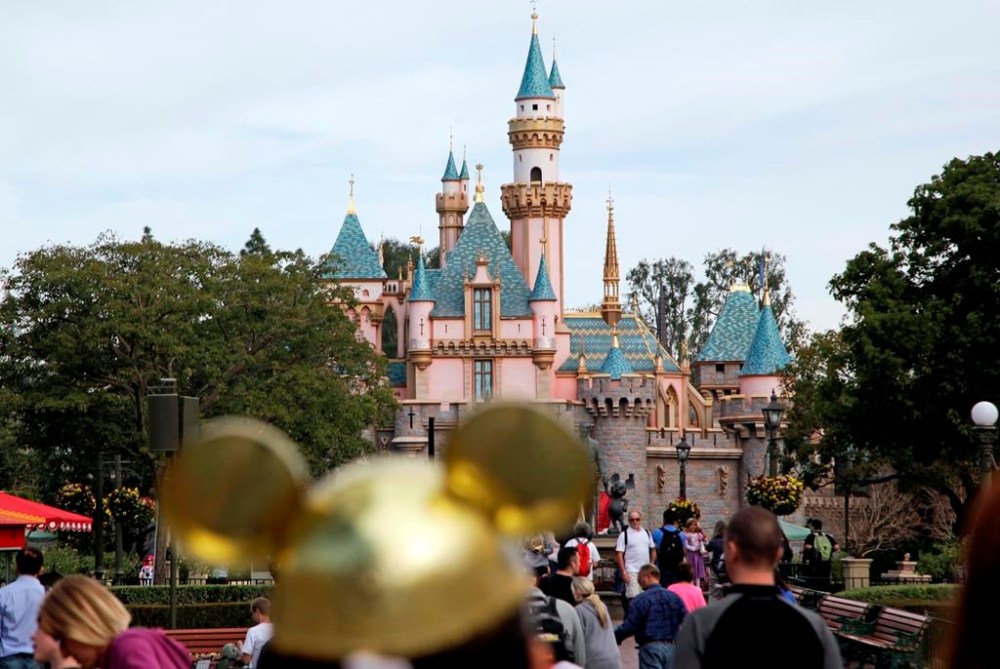
Rounding out the top 5 most attended theme parks were: Disneyland in Anaheim, California, which had 16.8 million visitors, almost double the attendance in 2021 but still below the 18.6 million visitors in 2019; Tokyo Disneyland with 12 million visitors, close to double the numbers from the previous year but still only about two-thirds of 2019’s attendance; Tokyo DisneySea with 10,1 million visitors, a three-quarters jump from 2021 but still down two-thirds from 2019; and Universal Studios Japan with 12.3 million visitors, which was more than doubled the attendance from 2021 but still lagging the 14.5 million visitors in 2019.

Advertisement Advertise With Us
Advertisement Advertise With Us