Armstrong was an organizing force
Advertisement
Read this article for free:
or
Already have an account? Log in here »
To continue reading, please subscribe:

Digital Subscription
One year of digital access for only $205*
- Enjoy unlimited reading on winnipegfreepress.com
- Read the E-Edition, our digital replica newspaper
- Access News Break, our award-winning app
- Play interactive puzzles
*First annual payment billed as $205.00 + GST for one year. This annual subscription will automatically renew at $233.00 + GST every 52 weeks (10% off the regular annual price of $259.35). Offer available to new and qualified returning subscribers only. Cancel any time.
To continue reading, please subscribe:
Add Free Press access to your Brandon Sun subscription for only an additional
$1 for the first 4 weeks*
- Enjoy unlimited reading on winnipegfreepress.com
- Read the E-Edition, our digital replica newspaper
- Access News Break, our award-winning app
- Play interactive puzzles
*Your next Brandon Sun subscription payment will increase by $1.00 and you will be charged $17.95 plus GST for four weeks. After four weeks, your payment will increase to $24.95 plus GST every four weeks.
Read unlimited articles for free today:
or
Already have an account? Log in here »
Hey there, time traveller!
This article was published 21/07/2023 (1091 days ago), so information in it may no longer be current.
As hosts of the One Great History podcast, Sabrina Janke and Alex Judge love exploring Winnipeg’s past. With Winnipeg’s sesquicentennial approaching, the two have produced a podcast series that explores the city’s colourful history. The series is presented through the lens of 15 historical figures, focusing on critical events surrounding their lives and their impact on Winnipeg. The series will conclude Nov. 9, the day when Winnipeg became a city 150 years ago. Summaries from each podcast will be republished in the Free Press. The podcast can be found on Apple Podcasts, Spotify and through the One Great History website — onegreathistory.wordpress.com
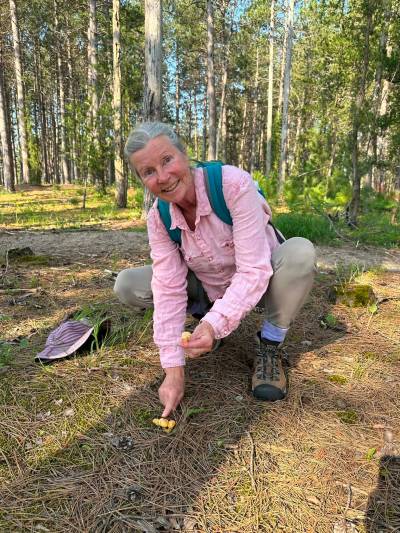
Helen Armstrong burst onto Winnipeg’s labour scene in 1917. In just six months, not only had she revived the Women’s Labour League but had successfully organized a strike of the Woolworth department store clerks. This kind of organization came honestly to Armstrong. Born to Toronto tailor and socialist Alfred Jury, Armstrong had spent much of her youth listening to labour meetings in the back of her father’s workshop — and had married a socialist, George Armstrong, whom she’d met at one of her father’s meetings. After a brief period of living in Montana, the Armstrong family moved to Winnipeg. For a time, raising their four children kept Helen occupied — but once the kids were old enough to mind the house on their own, Helen quickly got involved in Winnipeg’s growing labour movement. The mid-1910s was a time of intense labour action. Strikes were commonplace as workers fought for unions, better pay, and better working conditions. Armstrong was one of only a few women involved in the Winnipeg Labour League and was a vocal advocate for women’s rights and the need for more women to be involved in the labour movement itself. In bringing back the Women’s Labour League, Armstrong changed its mandate from broad moralistic goals like abolishing “the evils that promote woman’s degradation” to educational campaigns about provincial legislation, workers’ movements and offering financial assistance to workers in need. “Girls have got to learn to fight as men have had to do for the right to live, and we women of the labour league are spending all our spare time in trying to get girls to organize as the master class have done to protect their own interests,” Armstrong wrote in a 1917 letter to the Winnipeg Telegram. Armstrong gave her opinions freely, and often. When the Canadian government imposed new draft laws to recruit soldiers for the First World War, Armstrong was one of a few to vocally oppose the legislation in Manitoba. Alongside fellow labour leaders Fred Dixon, J.S. Woodsworth and William Ivens, Armstrong began participating in public anti-conscription rallies — and when irate soldiers got too close to the stage, Armstrong was the one to stand between them. Her anti-conscription campaign ultimately led to Armstrong’s first arrest in December 1917, when she and another member of the Women’s Labour League were apprehended for distributing anti-conscription pamphlets outside of a meeting at the Walker Theatre.
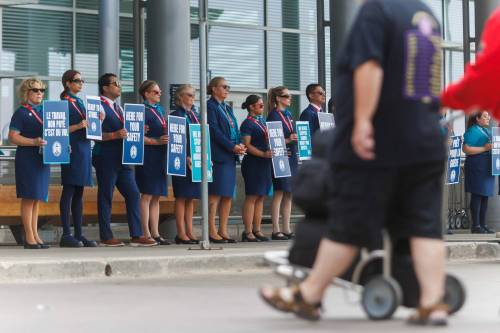
The Armstrongs’ activism wasn’t focused exclusively on Winnipeg. Both travelled to Fort William on business, with George working with labour unions and Helen promoting the work of the Women’s Labour League. Not long after, Helen Armstrong went alone to Toronto as a delegate at a Trades Conference in Toronto. A year later, Helen and George were delegates at a much larger labour meeting: the 1919 Western Labour Conference. Held just two months before the Winnipeg General Strike would begin, the Western Labour Conference brought together 239 delegates from across the western provinces to discuss issues surrounding the labour movement. Never one to mince words, Armstrong denounced the men present for their exclusion of women in the labour movement — often to their own detriment. “It is your own fault you have been crucified,” Armstrong remarked to the gathered crowd, “I have no sympathy for you.” When the Winnipeg General Strike began on May 15, 1919, Armstrong was one of just two women involved in the organizing Strike Committee and she was instrumental in organizing women workers to join the picket lines. Armstrong organized blockades of delivery trucks and was arrested twice for “encouraging women to commit indictable acts,” notably, harassing scab labourers. Armstrong also established the Labour Café, a restaurant to feed striking workers, run entirely by volunteers and supported by donations of food and cash. Workers were able to grab small meals. A donation pool was also run out of the Labour Café to provide financial assistance to strikers at risk of losing their homes during the strike. In the aftermath of the strike, with George Armstrong imprisoned alongside the other strike leaders in Stony Mountain Penitentiary, Helen rallied together groups of children to sing rousing labour hymns outside the prison walls. When George was released in 1921, Helen insisted he burn his prison clothes in the yard before entering their home.
For decades, Armstrong’s contributions to the labour movement were relegated to footnotes in the story of the Winnipeg General Strike. It is only because of historian and filmmaker Paula Kelly’s work that we now have such a vivid picture of Armstrong: outspoken activist, strike leader, and a beloved mother and grandmother, willing to feed anyone in need and equally willing to feign illness to avoid doing household chores.