Is it normal or a problem if your evergreens are browning? How to know whether they need help
Advertisement
Read this article for free:
or
Already have an account? Log in here »
To continue reading, please subscribe:

Digital Subscription
One year of digital access for only $205*
- Enjoy unlimited reading on winnipegfreepress.com
- Read the E-Edition, our digital replica newspaper
- Access News Break, our award-winning app
- Play interactive puzzles
*First annual payment billed as $205.00 + GST for one year. This annual subscription will automatically renew at $233.00 + GST every 52 weeks (10% off the regular annual price of $259.35). Offer available to new and qualified returning subscribers only. Cancel any time.
To continue reading, please subscribe:
Add Free Press access to your Brandon Sun subscription for only an additional
$1 for the first 4 weeks*
- Enjoy unlimited reading on winnipegfreepress.com
- Read the E-Edition, our digital replica newspaper
- Access News Break, our award-winning app
- Play interactive puzzles
*Your next Brandon Sun subscription payment will increase by $1.00 and you will be charged $17.95 plus GST for four weeks. After four weeks, your payment will increase to $24.95 plus GST every four weeks.
Read unlimited articles for free today:
or
Already have an account? Log in here »
Hey there, time traveller!
This article was published 28/11/2023 (1031 days ago), so information in it may no longer be current.
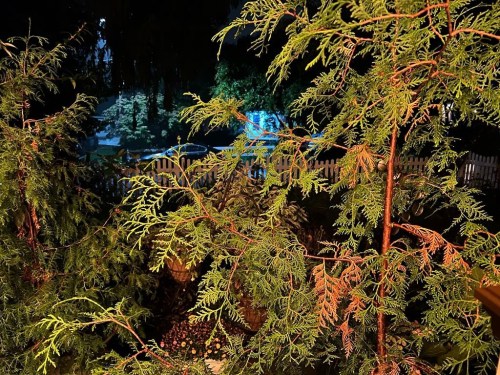
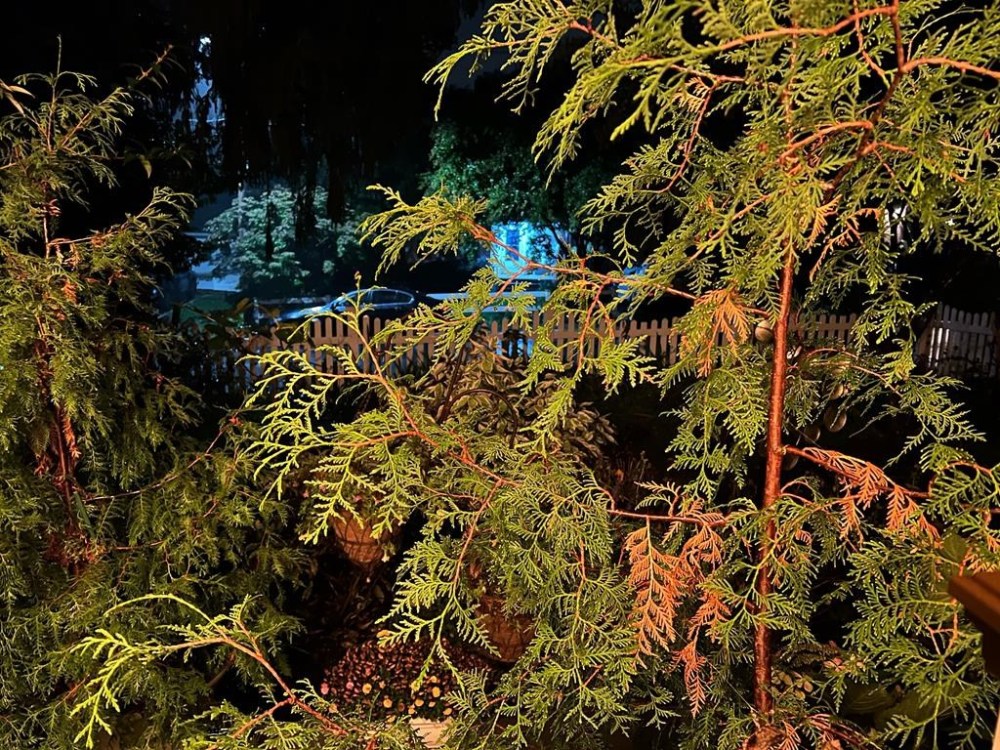
Are your evergreens turning yellow or brown? The symptoms could indicate a problem, but chances are they’re just part of the trees’ seasonal aging process. Close examination will reveal the cause – and whether any action is needed.
Many healthy evergreens regularly experience yellowing and browning of older branch parts during autumn. The trees will drop affected needles later in the season, which often panics their gardeners.
But if the symptoms present only on the innermost branches and on both the upper and lower sections of the tree, there’s probably nothing to worry about. It’s a normal part of the aging process.
NUTRIENT DEFICIENCIES?
If the yellowed branches are stunted, however, that could be indicative of a nitrogen deficiency. Similarly, if yellowed branch tips turn reddish-brown as the season progresses, the tree might have a potassium deficiency.
Both conditions require confirmation via a soil test but, if diagnosed, can be treated by applying the lacking nutrient to the soil.
INSECT DAMAGE?
Some insect infestations may present similar symptoms, however, so close inspection is warranted, according to Dan Gilrein, an entomologist with the Cornell Cooperative Extension of Suffolk County in New York.
ARBORVITAE LEAFMINER
Arborvitae leafminer, which only affects arborvitaes, begins the year as a tiny caterpillar that develops into a small tan moth. It lays eggs between leaf scales, overwinters in place during its larval stage, then tunnels or “mines” into foliage for feeding before starting the cycle all over again.
The carnage results in browned leaf tips, which, Gilrein warns, can be confused for drought stress, so a confirmed diagnose should be obtained before treating.
In the most severe cases, he says, the entire plant can turn brown, usually in late spring, but affected trees can be saved as long as at least 20 percent of their foliage has survived the attack. Gilrein says products containing Spinosad (an active ingredient compatible with organic gardening) are effective against arborvitae leafminer, but should be timed for early summer, when the insect is most active.
SCALES
There are several types of scale insects that suck chlorophyll out of foliage. In some cases, as with Fletcher scale, they excrete a sticky substance called honeydew that encourages the growth of black sooty mold on foliage. The mold attracts ants, which are often presumed — incorrectly — to be the cause of the trees’ decline. They’re just there for the honeydew.
Gilrein says scales are best controlled with horticultural oil applications in mid-spring in mild weather. He recommends avoiding the use of nitrogen lawn fertilizers around arborvitae, as they may boost the scale population.
SPIDER MITES
Spruce spider mites also suck chlorophyll out of plants, leaving pale or yellow foliage in their wake. But, says Gilrein, “I have never seen it cause serious browning or death of plants.”
The insects, which are most active in spring and fall, can easily be knocked off trees with a stream of hose water.
To check for spider mites, hold a white sheet of paper under branches while tapping them to dislodge the insects. If they’re present, you’ll see moving dots the size of pinheads on the paper. A few aren’t cause for concern. A moderate number indicates the hose remedy is in order. And a paper covered in mites implies a severe infestation, which Gilrein said can be reined in with an application of horticultural oil.
BAGWORMS
Common bagworms can cause arborvitae, junipers and some other evergreens to turn entirely brown.
“The small ‘bags’ the insects create as shelters, covered with pieces of chewed foliage, are usually very apparent this time of year (and) are often mistaken for pine cones,” Gilrein said. “The eggs are overwintering in the bags now, and simply clipping them off should be enough to control” the pest.
“If there are too many, then treating with a natural Bt insecticide labeled for the purpose in late June through July should also work well,” he said.
PREVENTION

As is often the case, prevention is the best cure. In general, it’s best not to plant more than 5 percent of any one species on your property. This rules out using long rows of a single type of tree or hedge. The practice might not give you the formal, structured aesthetic you’re after, but if host-specific insects or diseases move in, they’ll feast at the buffet you’ve served and leave you wondering where your garden went.
—-
Jessica Damiano writes the award-winning Weekly Dirt Newsletter and regular gardening columns for The AP. Sign up here to get weekly gardening tips and advice delivered to your inbox.
—-
For more AP gardening stories, go to https://apnews.com/search?q=gardening#nt=navsearch