FCC chair asks automakers about plans to stop abusers from using car electronics to stalk partners
Advertisement
Read this article for free:
or
Already have an account? Log in here »
To continue reading, please subscribe:

Digital Subscription
One year of digital access for only $205*
- Enjoy unlimited reading on winnipegfreepress.com
- Read the E-Edition, our digital replica newspaper
- Access News Break, our award-winning app
- Play interactive puzzles
*First annual payment billed as $205.00 + GST for one year. This annual subscription will automatically renew at $233.00 + GST every 52 weeks (10% off the regular annual price of $259.35). Offer available to new and qualified returning subscribers only. Cancel any time.
To continue reading, please subscribe:
Add Free Press access to your Brandon Sun subscription for only an additional
$1 for the first 4 weeks*
- Enjoy unlimited reading on winnipegfreepress.com
- Read the E-Edition, our digital replica newspaper
- Access News Break, our award-winning app
- Play interactive puzzles
*Your next Brandon Sun subscription payment will increase by $1.00 and you will be charged $17.95 plus GST for four weeks. After four weeks, your payment will increase to $24.95 plus GST every four weeks.
Read unlimited articles for free today:
or
Already have an account? Log in here »
Hey there, time traveller!
This article was published 11/01/2024 (950 days ago), so information in it may no longer be current.
DETROIT (AP) — The top U.S. telecommunications regulator is asking automakers how they plan to protect people from being stalked or harassed by partners who have access to vehicle location and other data.
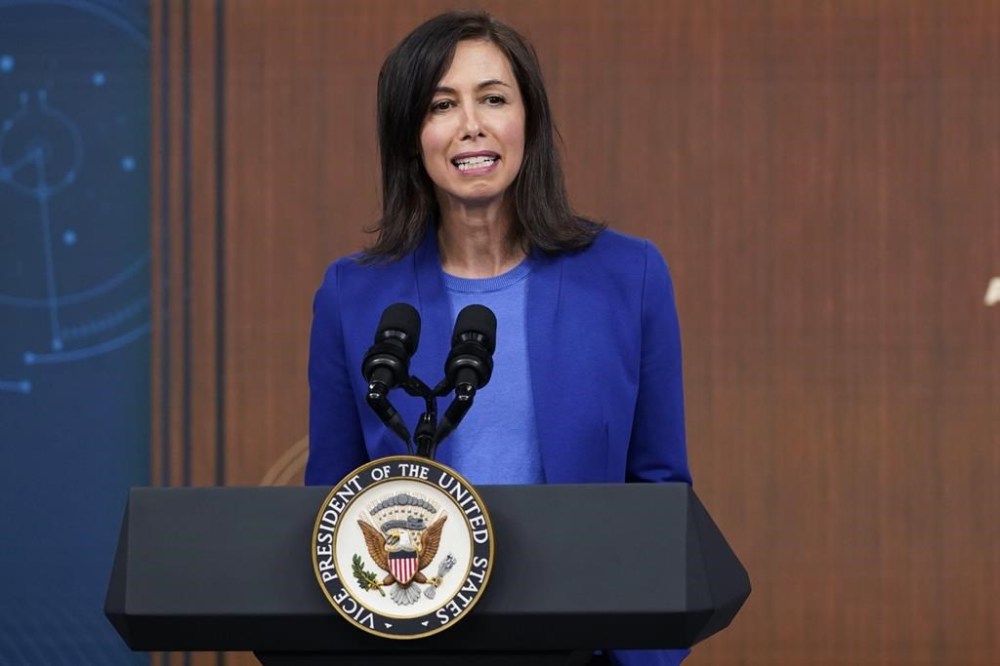
In a letter sent Thursday to nine large automakers, Federal Communications Commission Chairwoman Jessica Rosenworcel asks for details about connected car systems and plans to support people who have been harassed by domestic abusers.
“No survivor of domestic violence and abuse should have to choose between giving up their car and allowing themselves to be stalked and harmed by those who can access its data and connectivity,” she said in a statement.
Nearly all new vehicles have convenience features that use telecommunications to find cars in parking lots, start the engine remotely, and even connect with emergency responders, Rosenworcel’s letter said.
“These features rely on wireless connectivity and location data that in the wrong hands can be used to harm partners in abusive relationships,” she wrote.
The letter asks automakers for details about their connected services and whether they have policies in place to remove access to connected apps and other features if a request is made by someone who is being abused. Rosenworcel asks if the companies remove access even from someone whose name is on the vehicle’s title.
Letters were sent to top executives at General Motors, Ford, Honda, Hyundai, Mercedes-Benz, Nissan, Stellantis, Tesla and Toyota. Similar letters also went to wireless voice providers, the commission said.

Messages were left Thursday seeking comment from the automakers.
The Alliance for Automotive Innovation, a large trade association, said in a statement that misuse of connected vehicle technology to stalk or harass people is not acceptable.
“The industry is considering how to best broaden federal or state policies and other protections to help prevent these incidents,” the statement said.
The association has raised the issue with regulators previously, the group said.
Rosenworcel’s letter to automakers said it came after a story last week in The New York Times about how connected cars are being weaponized in abusive relationships.