Food industry groups object to proposed B.C. chicken price increase
Advertisement
Read this article for free:
or
Already have an account? Log in here »
To continue reading, please subscribe:

Digital Subscription
One year of digital access for only $205*
- Enjoy unlimited reading on winnipegfreepress.com
- Read the E-Edition, our digital replica newspaper
- Access News Break, our award-winning app
- Play interactive puzzles
*First annual payment billed as $205.00 + GST for one year. This annual subscription will automatically renew at $233.00 + GST every 52 weeks (10% off the regular annual price of $259.35). Offer available to new and qualified returning subscribers only. Cancel any time.
To continue reading, please subscribe:
Add Free Press access to your Brandon Sun subscription for only an additional
$1 for the first 4 weeks*
- Enjoy unlimited reading on winnipegfreepress.com
- Read the E-Edition, our digital replica newspaper
- Access News Break, our award-winning app
- Play interactive puzzles
*Your next Brandon Sun subscription payment will increase by $1.00 and you will be charged $17.95 plus GST for four weeks. After four weeks, your payment will increase to $24.95 plus GST every four weeks.
Read unlimited articles for free today:
or
Already have an account? Log in here »
Hey there, time traveller!
This article was published 22/01/2024 (979 days ago), so information in it may no longer be current.
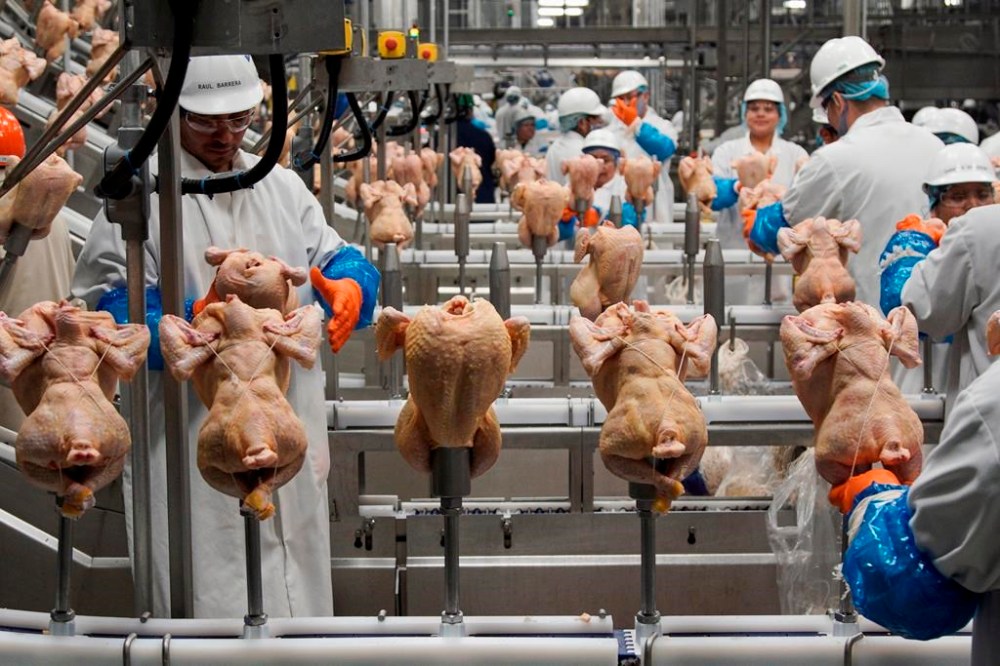
Several food industry groups are raising the alarm about a potential increase in the farm-level price of chicken in British Columbia, saying it could put pressure on businesses and consumers.
Restaurants Canada is urging the provincial government to intervene, saying the change would raise consumer prices by an average of 10 per cent.
“Affordability is a huge issue right now,” said Mark von Schellwitz, vice-president of Western Canada for the organization, in an interview.
“It’s a crisis situation … not only for restaurateurs, but B.C. consumers.”
The Canadian chicken industry, alongside dairy and eggs, is supply-managed. That means there’s a system in place that regulates production levels, wholesale prices and trade.
The B.C. Chicken Marketing Board has proposed a new pricing formula to determine the price of chicken in the province, a submission awaiting approval by the B.C. Farm Industry Review Board.
Inflation has hit all levels of the poultry industry, said Woody Siemens, executive director of the chicken marketing board.
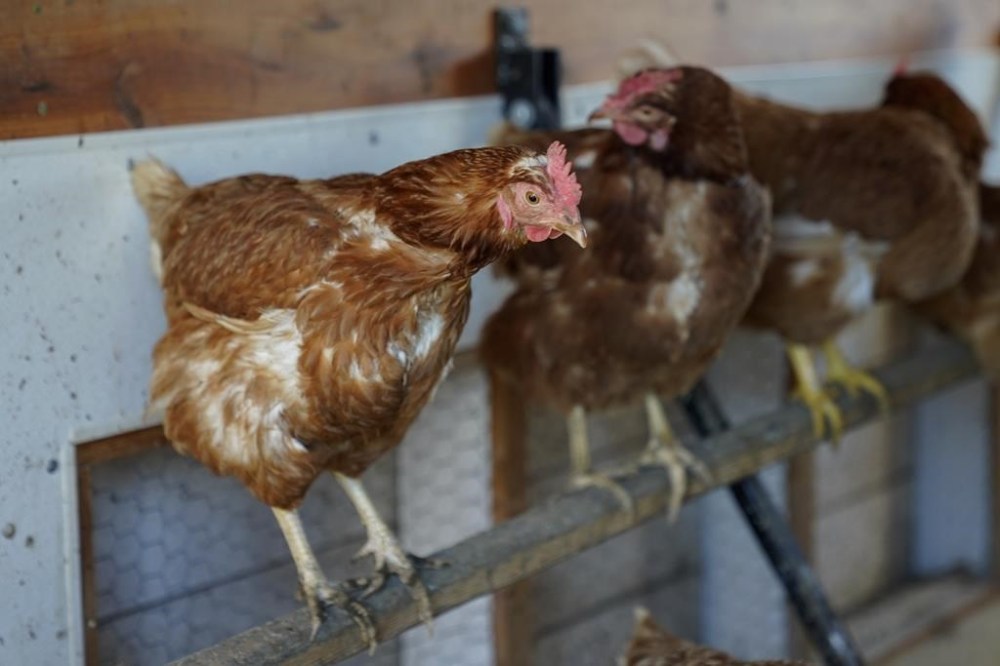
“The single largest impact to the cost of chicken production is the cost of feed,” Siemens said in an email, adding that under the interim formula, chicken growers aren’t fully compensated for their feed costs.
The group sets the live price of chicken every eight weeks using an interim pricing formula, which would be replaced by the proposed formula if it’s approved, he said.
B.C. Premier David Eby did not respond to requests for comment on the proposed formula change.
Pam Alexis, the province’s agriculture and food minister, said in a statement the pricing proposal is being evaluated by the review board “with an eye for supporting a sustainable poultry sector, our local food supply, and affordability for people.” She said the government will continue to listen and work with stakeholders.
The chicken marketing board is facing the challenge of balancing the high costs producers face, and the need for the B.C. chicken industry to remain competitive, said Craig Evans, executive director of the Primary Poultry Processors Association of British Columbia.
Both the marketing board and the review board have to balance the needs of everyone in the industry, Evans said.
“It’s no easy feat.”
The marketing board’s submission in October included feedback from the poultry processors in the form of comments and a letter.
The poultry association is concerned that the proposal doesn’t adequately consider the need for B.C. processors to be nationally competitive, wrote PPPABC chair Blair Shier, adding that its views were dismissed or ignored.
Estimates for what the formula change would amount to vary, but Restaurants Canada claims chicken prices would go up by an average of 10 per cent for consumers. In its letter attached to the marketing board’s submission, the poultry processors group said the formula would raise the live price of chicken in the range of 40 cents higher than in Central Canada.
Restaurants Canada, as well as the Canadian Poultry and Egg Processors and the Canadian Federation of Independent Grocers, wrote to the review board on Dec. 21, urging it not to accept the proposal.
A change this significant “needs to be assessed in the context of the current food affordability challenges,” argued Mark Hubert, president and CEO of Canadian Poultry and Egg Processors, in an interview.
The situation illustrates the pressure that all levels of the food industry are under to keep prices stable for consumers.
The federal government in the fall called on the grocers to present their plans to stabilize prices as grocery inflation continues to outpace overall inflation.
This pressure has made its way down the chain to Canada’s supply-managed food sectors — chicken, dairy and eggs.
The dairy industry has faced criticism in recent years as it raised prices for farmgate milk more than usual to cope with rising costs.
This past November, after pressure from groups such as the CFIG, the Canadian Dairy Commission announced it would delay a planned increase in February to the farmgate milk price by three months to balance consumer impacts with the sustainability of the dairy industry.
Most provincial and territorial egg boards went ahead with a farmgate price adjustment in early November to mitigate increasing costs and keep prices stable, according to Egg Farmers of Canada.
However, Egg Farmers of Ontario decided to delay its planned November increase “in an effort to help stabilize the supply chain for industry stakeholders and consumers,” said CEO Ryan Brown in a statement.
Any increase in the price of supply-managed foods is felt keenly by Canadian consumers, as these categories account for roughly one-fifth of the food market, said Retail Council of Canada spokeswoman Michelle Wasylyshen in an email.
“We have seen multiple price increases of supply managed goods in the recent past,” she said.

The Retail Council wrote its own letter Dec. 22 to the B.C. premier and agriculture minister, estimating the change could increase consumer prices by an average of 15 per cent.
The organization is concerned about the proposed change at a time when grocers “have been asked to hold the line on price increases,” said Wasylyshen.
Affordability is top of mind for consumers and politicians alike right now, said senior vice-president Gary Sands of the independent grocers’ group.
“It’s the retailer that will be left carrying the bag on this increase,” he said.
This report by The Canadian Press was first published Jan. 22, 2024.