Founder of Japanese dollar-store chain Daiso dies; he was 80
Advertisement
Read this article for free:
or
Already have an account? Log in here »
To continue reading, please subscribe:

Digital Subscription
One year of digital access for only $205*
- Enjoy unlimited reading on winnipegfreepress.com
- Read the E-Edition, our digital replica newspaper
- Access News Break, our award-winning app
- Play interactive puzzles
*First annual payment billed as $205.00 + GST for one year. This annual subscription will automatically renew at $233.00 + GST every 52 weeks (10% off the regular annual price of $259.35). Offer available to new and qualified returning subscribers only. Cancel any time.
To continue reading, please subscribe:
Add Free Press access to your Brandon Sun subscription for only an additional
$1 for the first 4 weeks*
- Enjoy unlimited reading on winnipegfreepress.com
- Read the E-Edition, our digital replica newspaper
- Access News Break, our award-winning app
- Play interactive puzzles
*Your next Brandon Sun subscription payment will increase by $1.00 and you will be charged $17.95 plus GST for four weeks. After four weeks, your payment will increase to $24.95 plus GST every four weeks.
Read unlimited articles for free today:
or
Already have an account? Log in here »
Hey there, time traveller!
This article was published 20/02/2024 (953 days ago), so information in it may no longer be current.
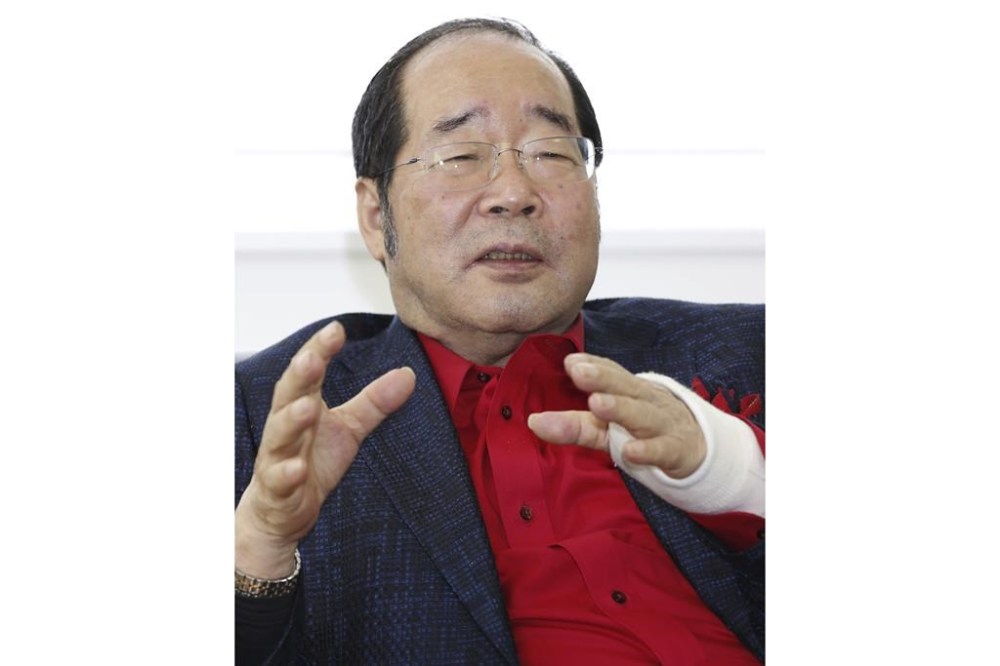
TOKYO (AP) — Hirotake Yano, who founded the retail chain Daiso known for its 100-yen shops, Japan’s equivalent of the dollar store, has died. He was 80.
Yano died Feb. 12 of heart failure, Daiso Industries Co. said in a statement Monday.
Yano founded his business, based in Hiroshima, as Yano Shoten in 1972, changing the name to Daiso in 1977. The discount retailer began working with 100 yen stores in the 1980s and opened its first under the Daiso name in 1991. The company now runs more than 5,000 shops in 26 nations and regions. They raked in more than 580 billion yen ($4 billion) in sales in the latest fiscal year.
One hundred yen is equivalent to about 67 American cents at current exchange rates.
The stores carry some 76,000 products, Daiso says, ranging from stationery items and kitchen sponges to stuffed animals, housewares, cosmetic and hair care products, and food items such as nuts and dried fruit.
Not all items cost just 100 yen. Some are double or more that price, but all are relatively affordable.
Yano, a graduate of Tokyo’s Chuo University, was both hailed and criticized as “the 100-yen man.” The popularity of the shops is seen as a reflection of Japan’s deflationary woes. But the model of selling just about everything at one price was a hit.
Yano argued the concept would spur consumer spending, make shopping fun, and contribute to Japan’s economic growth.
He was said to be prone to self-deprecating jokes.
“I like to tell people it’s fortunate to have bad luck. If you are too lucky, you tend to start losing your strengths,” he told Diamond, a Japanese business magazine.
“You work harder if you see yourself as a person without luck or talent. That’s who I am,” he said.
Following nationwide expansion in Japan, the first Daiso abroad opened in Taiwan in 2001. A Daiso opened in South Korea later that same year.
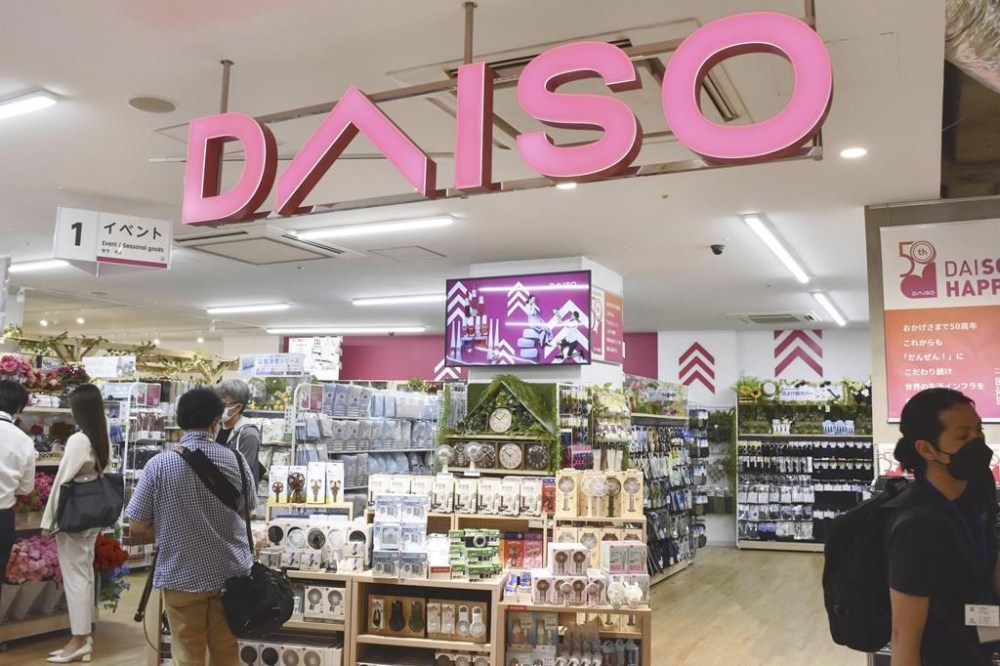
The first Daiso in the U.S. opened in 2005, in Seattle. Now, there are Daiso shops in Hawaii and New York. Its global expansion has reached Brazil, the UAE and Australia.
Yano stepped down as president of Daiso in 2018, and as chairman a year later.
A private funeral was held for family. A commemorative event is in the works, but details were still undecided, said Daiso.
“We deeply appreciate all your kindness to him,” it said.
___
Yuri Kageyama is on X: https://twitter.com/yurikageyama