‘Daylight saving time confuses me:’ Canadians prepare to adjust clocks
Advertisement
Read this article for free:
or
Already have an account? Log in here »
To continue reading, please subscribe:

Digital Subscription
One year of digital access for only $205*
- Enjoy unlimited reading on winnipegfreepress.com
- Read the E-Edition, our digital replica newspaper
- Access News Break, our award-winning app
- Play interactive puzzles
*First annual payment billed as $205.00 + GST for one year. This annual subscription will automatically renew at $233.00 + GST every 52 weeks (10% off the regular annual price of $259.35). Offer available to new and qualified returning subscribers only. Cancel any time.
To continue reading, please subscribe:
Add Free Press access to your Brandon Sun subscription for only an additional
$1 for the first 4 weeks*
- Enjoy unlimited reading on winnipegfreepress.com
- Read the E-Edition, our digital replica newspaper
- Access News Break, our award-winning app
- Play interactive puzzles
*Your next Brandon Sun subscription payment will increase by $1.00 and you will be charged $17.95 plus GST for four weeks. After four weeks, your payment will increase to $24.95 plus GST every four weeks.
Read unlimited articles for free today:
or
Already have an account? Log in here »
Hey there, time traveller!
This article was published 08/03/2024 (897 days ago), so information in it may no longer be current.
SASKATOON – The general manager of a movie theatre in Saskatchewan says it’ll be an extra early Oscars watch party this weekend as the award show airs after most Canadians wind their clocks ahead an hour.
The 96th Academy Awards show is to be broadcast Sunday, but this year it’s taking place an hour earlier at 7 p.m. ET. It also airs after daylight time, which sees most Canadians change their clocks.
Yukon and most of Saskatchewan keep their clocks the same year-round.
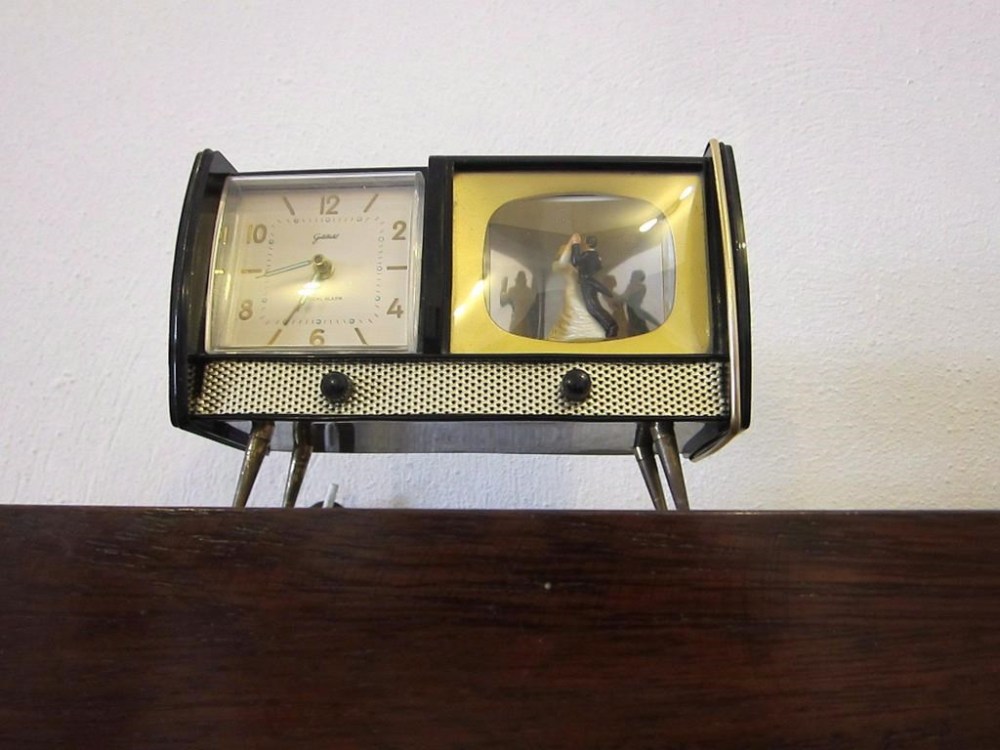
“Daylight saving time confuses me,” says Jordan Delorme, as he ponders what the time change means for the Roxy Theatre in Saskatoon. “Which is fine because I usually don’t need to think about it.”
The classic 1930s movie palace has been showing the Academy Awards for about a decade. The venue hosts a free watch party where moviegoers can experience the wins and losses of their favourite films together.
This year, Delorme says the early broadcast time combined with daylight time means he’s triple checking the clocks.
“Being in Saskatchewan, where we don’t generally deal with daylight saving time, that means that whenever the start time is when I’m looking at it now might be an hour different on the day that it’s actually supposed to play,” he says.
Delorme says he’s a bit concerned movie lovers might get mixed up – arriving an hour early or an hour late. It also means many will be sitting down to watch the Oscars instead of grabbing supper, since it will air at 5 p.m. in Saskatoon.
Luckily, he says, they have popcorn to spare.
Even those Canadians who aren’t dealing with the confusing clock situation of Saskatchewan might feel extra exhausted watching the awards.
Changing the clock in spring and losing an hour of sleep leaves many people tired. Studies have shown increases in car and work accidents. Some studies also show more incidents of heart attacks and strokes.
“This time change seems to affect people for a much longer period of time,” says Michael Antle, a University of Calgary psychology professor who studies the circadian clock.
The circadian clock is in people’s brains and Antle says it follows daylight, especially tracking dawn. It’s what makes everyone wake up just before their alarm clocks go off, he says.
But daylight time forces people to get up an hour earlier than their body is ready, Antle says. They won’t feel full rest until that new wake-up time matches with dawn. That can take weeks, he says.
The time change has always been controversial with dedicated defenders and ardent adversaries. There was an Alberta referendum in 2021 where just over half of people voted to continue changing clocks twice a year.
Canadians can thank an avid Ontario golfer in Thunder Bay for introducing daylight time to the country, Antle says. In 1908 the towns of Port Arthur and Fort William – now Thunder Bay – brought in seasonal time-shifting for July and August. John Hewitson, a local businessman, wanted more time in the sun, and probably on the greens.
It expanded across much of the country a decade later, Antle says, and was embraced as a way to save energy during the First and Second World War.
It’s a misconception that it happened because of farmers, the professor adds.
“They always get blamed for this,” Antle says, adding farmers are getting up to milk the cows no matter what numbers are on the clock.
“The farmers, they just do what the sun does.”
The time changes continued because there’s an idea that the extra hour in the evening benefits health by getting people outside, Antle says. But some studies have shown that it only amounts to about six additional minutes of exercise, he says.
For movie lovers who feel sleepy due to the clock shift, Antle says there’s a few things to do to stay alert during the awards: go to bed a little earlier on Saturday and give yourself extra time the next morning.
This report by The Canadian Press was first published March 8, 2024.
Related Articles
How springing forward to daylight saving time could affect your health -- and how to prepare


Advertisement Advertise With Us
Advertisement Advertise With Us