

Hospitals must obtain written consent for pelvic and similar exams, the federal government says
Advertisement
Read this article for free:
or
Already have an account? Log in here »
To continue reading, please subscribe:
Monthly Digital Subscription
$0 for the first 4 weeks*
- Enjoy unlimited reading on winnipegfreepress.com
- Read the E-Edition, our digital replica newspaper
- Access News Break, our award-winning app
- Play interactive puzzles
*No charge for 4 weeks then price increases to the regular rate of $19.00 plus GST every four weeks. Offer available to new and qualified returning subscribers only. Cancel any time.
Monthly Digital Subscription
$4.75/week*
- Enjoy unlimited reading on winnipegfreepress.com
- Read the E-Edition, our digital replica newspaper
- Access News Break, our award-winning app
- Play interactive puzzles
*Billed as $19 plus GST every four weeks. Cancel any time.
To continue reading, please subscribe:
Add Free Press access to your Brandon Sun subscription for only an additional
$1 for the first 4 weeks*
*Your next subscription payment will increase by $1.00 and you will be charged $16.99 plus GST for four weeks. After four weeks, your payment will increase to $23.99 plus GST every four weeks.
Read unlimited articles for free today:
or
Already have an account? Log in here »
Hey there, time traveller!
This article was published 01/04/2024 (616 days ago), so information in it may no longer be current.
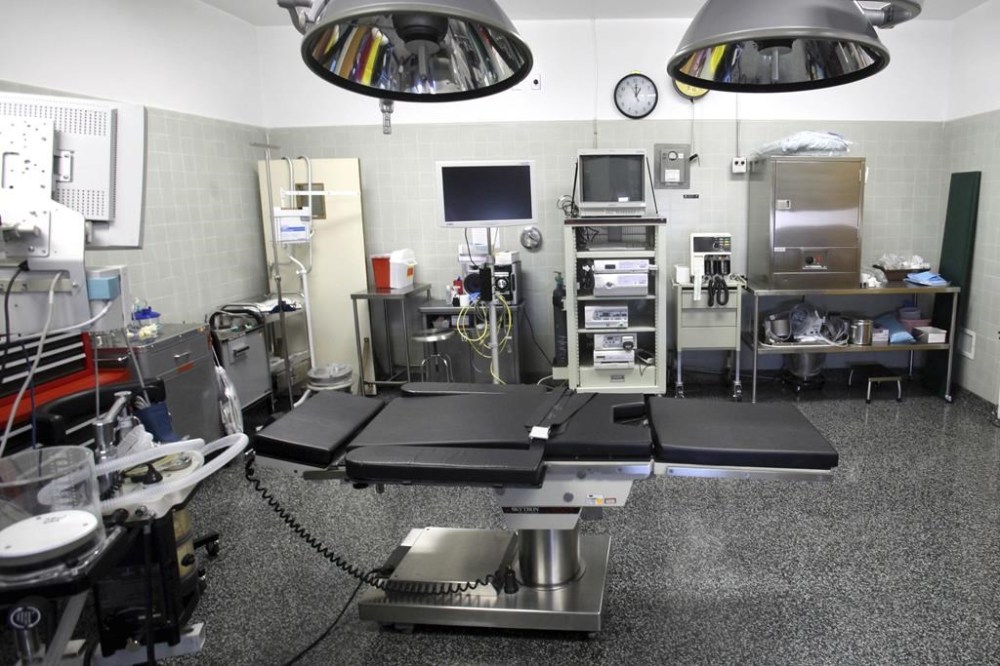
Hospitals must obtain written informed consent from patients before subjecting them to pelvic exams and exams of other sensitive areas — especially if an exam will be done while the patient is unconscious, the federal government said Monday.
New guidance from the U.S. Department of Health and Human Services now requires consent for breast, pelvic, prostate and rectal exams for “educational and training purposes” performed by medical students, nurse practitioners or physician assistants.
The department’s release said the guidance was issued to “reiterate and provide clarity” regarding hospital consent requirements. Federal regulations previously mentioned obtaining consent for “important tasks” related to surgeries, and did not provide the level of detail about medical students.
If hospitals don’t obtain explicit consent, they may be ineligible for participation in Medicare and Medicaid programs, and also may be subject to fines and investigations if they violate patient privacy laws, Office of Civil Rights director Melanie Fontes Rainer said.
Doctors and medical students sometimes perform exams of sensitive areas for training purposes when a patient is under anesthesia. At least 20 states have passed laws requiring a patient’s consent.
HHS Secretary Xavier Becerra and other top health officials criticized these exams happening without explicit consent in a letter sent to teaching hospitals and medical schools Monday. The letter said hospitals need to set “clear guidelines to ensure providers and trainees performing these examinations first obtain and document informed consent.”
It’s difficult to say how often these exams take place, experts said, or how often patients understand what they’re consenting to when they sign forms before surgery giving broad consent for a range of procedures.
The letter is a “critical leap forward in protecting patients and medical residents,” Scott Berkowitz, founder and president of the Rape, Abuse and Incest National Network, said in a statement.

“It’s a shocking problem with a very simple solution — hospitals need to ask for consent clearly and explicitly,” he said.
Alexandra Fountaine, a medical student at Ohio University who testified in front of a state House committee against the practice, was skeptical that the letter would result in “actual policy or real change.” But, she added, it made her feel more protected and respected.
“Something like that happening is my biggest fear,” she said. “As women we’re all afraid of being violated on a daily basis … but when we’re put in very vulnerable positions, like being anesthetized, I think that’s especially terrifying.”
___
The Associated Press Health and Science Department receives support from the Robert Wood Johnson Foundation. The AP is solely responsible for all content.