Luckily for cooks and gardeners, some herbs come back year after year
Advertisement
Read this article for free:
or
Already have an account? Log in here »
To continue reading, please subscribe:

Digital Subscription
One year of digital access for only $205*
- Enjoy unlimited reading on winnipegfreepress.com
- Read the E-Edition, our digital replica newspaper
- Access News Break, our award-winning app
- Play interactive puzzles
*First annual payment billed as $205.00 + GST for one year. This annual subscription will automatically renew at $233.00 + GST every 52 weeks (10% off the regular annual price of $259.35). Offer available to new and qualified returning subscribers only. Cancel any time.
To continue reading, please subscribe:
Add Free Press access to your Brandon Sun subscription for only an additional
$1 for the first 4 weeks*
- Enjoy unlimited reading on winnipegfreepress.com
- Read the E-Edition, our digital replica newspaper
- Access News Break, our award-winning app
- Play interactive puzzles
*Your next Brandon Sun subscription payment will increase by $1.00 and you will be charged $17.95 plus GST for four weeks. After four weeks, your payment will increase to $24.95 plus GST every four weeks.
Read unlimited articles for free today:
or
Already have an account? Log in here »
Hey there, time traveller!
This article was published 28/05/2024 (857 days ago), so information in it may no longer be current.
If you like to cook, odds are you’re painfully aware of the price of herbs at the supermarket. But for the cost of a 1- or 2-ounce plastic clamshell packet, you can buy a plant that will produce aromatic herbs for your kitchen all summer long – and even year after year.
Perennial herbs are among the easiest edibles to grow at home. All they require is sunlight (with some shade provided in the Deep South), modest amounts of water (more during hot, dry spells) and well-draining soil. They typically don’t even need fertilizer.
WHERE TO PLANT THEM?
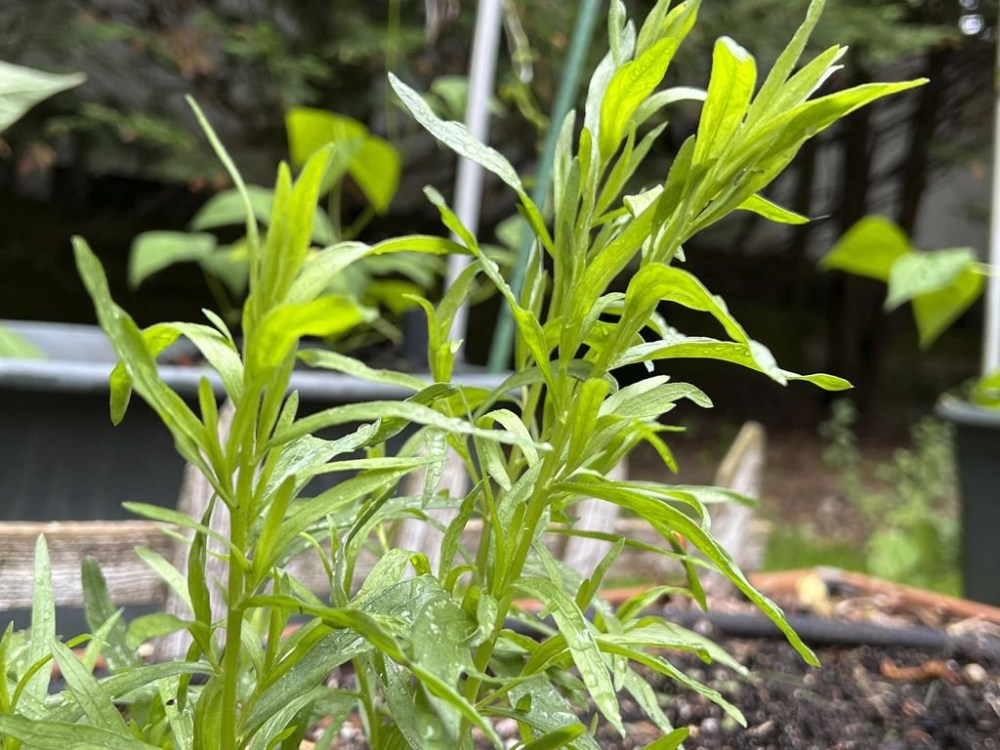
You can plant a dedicated herb garden or use herbs as edging plants in your perennial flower beds; many of them are pretty enough. Consider sage’s fuzzy, purple-tinged leaves, onion chives’ purple spring flowers or garlic chives’ white summer blooms. Heck, just stick them wherever you have room, as long as the sun can reach them.
My thyme, oregano, chives, sage, tarragon, and Roman chamomile fill most of a 4-by-4-foot raised bed near the back deck steps, leaving just enough room for me to tuck in some annual herbs. All are cold-hardy down to zone 4, with chives pushing the limit as far north as zone 3.
Rosemary, technically hardy only to zone 8, sometimes surprises me and makes a comeback, but I don’t count on it in my zone 7 garden.
And they all can handle heat down to zones 8 or 9, with oregano returning reliably as far south as zone 11.
Mint and lemon balm are fast-spreading perennials hardy in zones 4-9, but they will take over your garden if you plant them in the ground. Grow them only in pots and keep the pots on a porch, deck or patio.
ANNUALS MIGHT COME BACK TOO
Some annual herbs tend to return, too. When self-seeders like dill and cilantro (aka coriander) drop seeds at the end of the season, leave them where they lie. They’ll germinate and sprout more plants the following spring.
Other herbs are biennials, completing their life cycles at the end of their second growing season. Parsley produces plenty of fragrant foliage in its first year and slightly stunted but still perfectly edible leaves in its second before it flowers and calls it quits.
Caraway, another biennial, produces seeds only in its second year, but getting to boast about growing your own spices makes the wait worthwhile.
At the end of the growing season, you can dry or freeze your homegrown herbs for year-round, fresh-from-the-garden ingredients.
Another bonus? They’ll all attract pollinators and other beneficial insects, which will help make the rest of your garden more productive.
___
Jessica Damiano writes regular gardening columns for the AP and publishes the award-winning Weekly Dirt Newsletter. You can sign up here for weekly gardening tips and advice.
___
For more AP gardening stories, go to https://apnews.com/hub/gardening.